Modern street lighting is changing how cities manage safety, visibility, and public energy budgets. Traditional high-pressure sodium fixtures often waste power through broad, uneven light distribution. Modern LED street lights can direct illumination more accurately, reduce maintenance visits, and support intelligent controls. However, the best solution is not simply the fixture with the lowest wattage.
How to reduce energy cost with modern street lights begins with accurate site planning. Engineers should examine road width, mounting height, traffic patterns, weather, and existing light levels. A well-designed LED system can combine efficient optics, dimming schedules, motion sensors, and photocells. For example, lights may operate at full output during evening traffic, then dim gradually after midnight. This approach avoids paying for unnecessary brightness across empty roads.
Real projects still require careful judgment. A cheaper fixture may have weaker drivers, poor heat management, or difficult-to-replace components. Those weaknesses can increase long-term costs. Product testing, photometric reports, warranty terms, and local installation experience deserve equal attention. Energy savings also depend on electricity tariffs, operating hours, maintenance quality, and control settings. Results vary.
Measure before upgrading.
Reliable planning compares current wattage, annual runtime, outage records, and illumination performance. After installation, smart controllers and meter data can confirm whether projected savings are real. Glare, dark spots, and excessive brightness should not be ignored. A successful modernization balances lower energy use with safer streets, comfortable visibility, and dependable service. It may not be perfect, but transparent evaluation can make the investment more responsible.
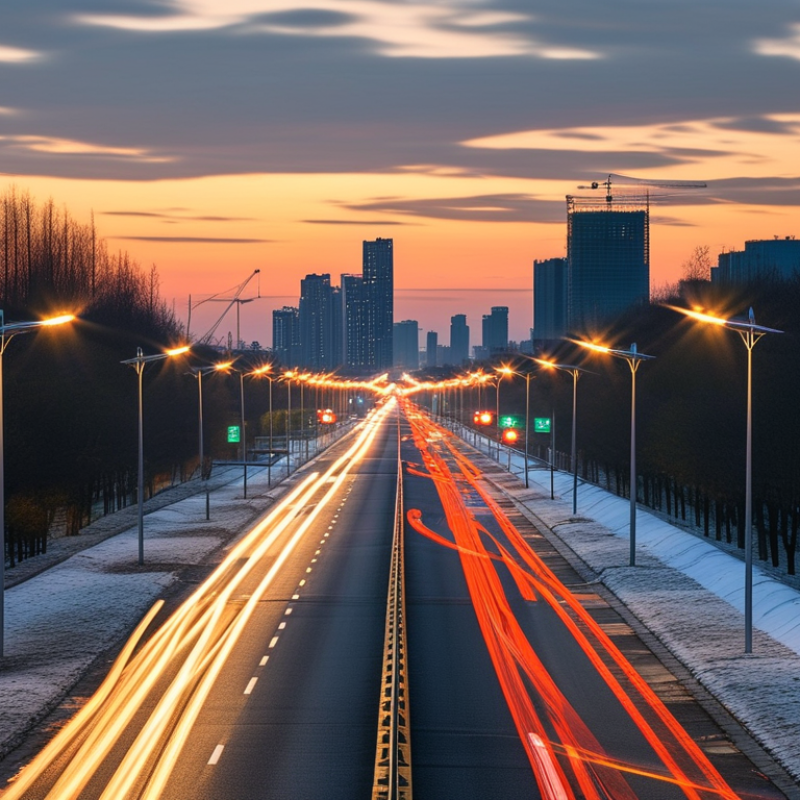
2026 Best Modern Street Lights for Lower Energy Costs
Modern LED streetlights can reduce energy use by more than 50% compared with conventional lamps. The U.S. Department of Energy has reported savings at this level in suitable roadway applications. Actual results depend on wattage, operating hours, light levels, and control settings. A poorly designed upgrade may save less than expected.
LEDs produce focused illumination with less wasted light. Better optics can brighten sidewalks while reducing spill onto nearby windows. Adaptive controls can dim fixtures during quiet overnight hours. Motion sensors may provide additional savings, but they need careful programming. Harsh weather, dirty lenses, and aging drivers can also affect performance. These details are easy to overlook.
Tips: Begin with a nighttime audit, not a catalog image. Measure existing electricity use and check pavement brightness. Select fixtures with suitable color temperature, optical distribution, and replaceable components. Ask for photometric data and a realistic payback estimate. Review the first season’s utility bills. If results disappoint, inspect controls before replacing every fixture. Savings are not automatic. Good design still matters.
One practical concern is glare. Excessive brightness can reduce comfort for drivers and pedestrians. Municipal teams should verify light levels against local standards and site conditions. A lower-wattage fixture may work better when its optics are properly matched. That lesson is sometimes missed during rushed projects.
LED Streetlights: DOE Reports 50%+ Energy Savings vs. Conventional Lamps
The chart uses a normalized electricity-use index, with conventional street lighting set to 100. DOE reports that LED street lighting can reduce energy consumption by 50% or more compared with conventional lighting. Actual savings vary by fixture wattage, operating hours, controls, and roadway requirements.
Source: U.S. Department of Energy, Solid-State Lighting and LED roadway-lighting efficiency guidance.
2026 Best Modern Street Lights for Lower Energy Costs
Photometric Design: IES RP-8 Sets Roadway Lighting Performance Criteria
Lower energy use begins with better photometric design, not simply lower wattage. IES RP-8 provides roadway lighting performance criteria for visibility, uniformity, glare control, and pedestrian conditions. These criteria help engineers match light levels to road function, traffic patterns, and surrounding activity.
In field reviews, I look beyond the fixture’s lumen rating. A reliable design checks pavement luminance, illuminance, spacing, mounting height, and light trespass. Photometric software can model these factors before installation. It can also reveal dark gaps between poles, excessive brightness near intersections, and uneven transitions at road edges. Small errors become obvious on wet pavement.
Uniformity matters greatly.
Modern systems can reduce energy through precise optics, dimming schedules, and adaptive controls. However, reducing output too aggressively may create unsafe contrast or poor visibility for cyclists and pedestrians. That trade-off deserves careful review. A lower energy bill does not prove a successful lighting project.
I have seen designs meet a basic average while failing practical comfort. Drivers may still face glare, while sidewalks remain dim. Engineers should compare calculations with nighttime observations, maintenance records, and community feedback. Local authorities may apply requirements beyond RP-8, so the latest adopted guidance and site conditions must guide final decisions. The process is not flawless, but documented measurements make revisions more honest and defensible.
2026 Best Modern Street Lights for Lower Energy Costs
Smart controls can turn efficient street lights into a more responsive public asset. The U.S. Department of Energy estimates that dimming and networked controls may deliver 30–50% additional savings. These savings come after LED conversion, not instead of it. DOE’s Municipal Solid-State Street Lighting Consortium also recommends adaptive scheduling, fault alerts, and remote performance monitoring. A practical system can dim fixtures to 40% after midnight, then increase output when motion or traffic rises.
Tips: Start with a measured baseline. Record wattage, operating hours, outage history, and nighttime activity. Set conservative dimming levels near crossings, transit stops, and intersections. Review energy data monthly. A dashboard alone does not create savings.
The International Energy Agency reports that lighting represents a meaningful share of global electricity demand, making efficiency improvements valuable at scale. Still, the 30–50% figure is not guaranteed. Results depend on roadway design, weather, traffic patterns, maintenance, and local safety requirements. Field experience shows that poorly tuned schedules can create complaints or leave savings unused. A pilot corridor can expose these weaknesses before a city-wide rollout. Photocells, motion sensors, and secure communications should be tested together. Operators also need documented override procedures for storms, events, and emergency response. Consider the estimate a planning range, not a promise.
Modern street lighting should be judged beyond its purchase price. The U.S. Department of Energy reports that quality LED luminaires can provide service lives of up to 25 years. This figure usually reflects maintained light output, not guaranteed failure-free operation. It is a useful benchmark, but not a promise.
A well-designed LED street light can reduce electricity use by 40% to 70%, according to DOE solid-state lighting assessments. For a roadway operating 4,200 hours annually, that reduction can lower demand, especially when replacing older high-pressure systems. The International Energy Agency also identifies efficient lighting as a practical tool for reducing urban electricity consumption. Fewer lamp replacements matter, too. Crews may avoid repeated lane closures, bucket-truck visits, and nighttime maintenance near busy intersections.
The calculation is not perfect. Poor thermal design, voltage problems, dirt, and aggressive dimming schedules can shorten real-world performance. A fixture rated for 25 years may still need cleaning, controls testing, or driver replacement earlier. That caveat matters. Cities should compare delivered lumens, ambient temperature ratings, optical distribution, controls compatibility, and warranty terms. A 2024 DOE lighting analysis also emphasizes system efficiency, not just diode efficiency. In practice, the strongest lifecycle value comes from matching the optic to the road, recording energy data, and reviewing light levels after installation. Small errors remain possible. Good records make them visible.
In 2026, street-light benchmarking should start with delivered lumens, not lamp wattage. The U.S. Department of Energy’s 2023 Solid-State Lighting R&D Opportunities report places modern outdoor LED luminaires near 120–160 lumens per watt. Older high-pressure sodium systems often deliver far less at the luminaire level. Optical losses matter.
A practical comparison uses equal illumination, operating hours, and maintenance assumptions. Consider a 50-watt LED fixture replacing a 100-watt legacy fixture. At 4,000 operating hours annually, each fixture saves 200 kilowatt-hours per year. Using the U.S. Energy Information Administration’s commercial electricity benchmark of roughly $0.13 per kilowatt-hour, energy savings reach about $26 yearly. That equals approximately $260 over ten years, before maintenance savings. Small numbers become significant across hundreds of poles.
Real projects can disappoint. Poor spacing, excessive brightness, or dirty optics may erase expected benefits. The DesignLights Consortium’s technical guidance also emphasizes application efficiency and controls, not efficacy alone. A 150-lumen-per-watt fixture can waste energy if it produces glare or illuminates empty sidewalks. Ten-year costing should include controls, driver replacement, cleaning, installation, and disposal. Energy prices also change. That weakness deserves attention. A spreadsheet can look precise while field measurements remain incomplete.
: Suitable upgrades can reduce energy use by more than 50% versus conventional lamps. Actual savings vary. Design still matters.
Conduct a nighttime audit. Record wattage, operating hours, electricity use, and pavement brightness. Catalog images are not enough.
Replacing a 100-watt fixture saves about 200 kilowatt-hours yearly at 4,000 operating hours. At $0.13 per kilowatt-hour, savings reach about $26 annually.
Compare delivered lumens, efficacy, optical distribution, and equal illumination. A fixture producing 120–160 lumens per watt may still waste light.
Adaptive dimming can lower consumption during quiet overnight hours. Motion sensors may help. Controls need testing.
Match optics with road width, sidewalks, windows, and mounting height. Lower wattage may work better with accurate light distribution.
Include energy, controls, installation, cleaning, driver replacement, disposal, and changing electricity prices. The spreadsheet is useful, not sacred.
Review utility bills after the first season. Inspect controls, dirty lenses, fixture spacing, and aging drivers before replacing everything.
No. Excessive brightness can discomfort drivers and pedestrians. Brighter is not always better.
Choosing fixtures from catalog images alone. Field measurements may reveal glare, dark areas, or wasted light. That mistake is common.
Modern street lights can significantly lower energy costs while improving roadway visibility and safety. LED streetlights typically use over 50% less energy than conventional lamps, making them an effective choice for municipalities and property managers seeking long-term efficiency. A well-planned photometric design should follow roadway performance principles such as those outlined in IES RP-8, helping deliver consistent illumination without unnecessary over-lighting. When asking How to reduce energy cost with modern street lights, selecting the right light distribution, output, and mounting configuration is essential.
Additional savings can come from smart controls, including scheduled dimming, adaptive operation, and occupancy-based adjustments, which may reduce energy use by another 30–50%. LEDs can also provide service lives of up to 25 years, reducing replacement, labor, and maintenance expenses. For a complete evaluation, compare efficacy, fixture wattage, expected operating hours, control strategies, and total ten-year ownership costs rather than focusing only on the initial purchase price.

Star Lighting