Amber LED street lights are gaining attention in urban lighting solutions. Renowned expert Dr. Emily Chen states, "Amber lights reduce light pollution while improving visibility." This innovation is particularly vital in busy cities. The upcoming 139th China Import and Export Fair showcases these advancements.
From April 15 to May 5, 2026, exhibitors will present various products. The fair will highlight advanced manufacturing and new materials. Amber LED street lights are an essential focus, considering their eco-friendly attributes. The fair's AI features will assist buyers in locating top suppliers.
Despite their benefits, some challenges exist. The initial cost of implementation may deter some cities. Additionally, not all manufacturers meet quality standards. These concerns underline the need for careful supplier selection. The integration of Amber LED street lights can enhance urban environments significantly.
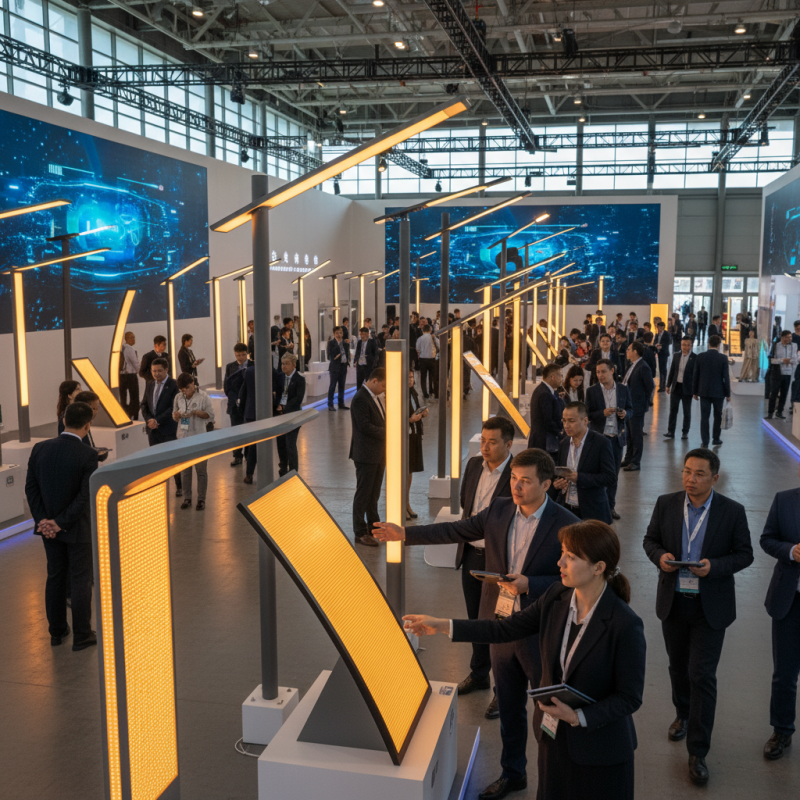
Amber LED street lights have emerged as a popular choice for urban lighting solutions. They are designed to emit a warm, inviting glow. This color temperature enhances visibility without being harsh on the eyes. Many municipalities are adopting amber lighting due to its unique benefits.
One notable advantage is the reduction of light pollution. Amber lights minimize disruption to wildlife and nighttime ecosystems. The softer light also helps to create a safer environment for pedestrians and cyclists. Cities looking to improve their nighttime aesthetics often find amber lights appealing.
Tips: When selecting street lights, consider the light's beam angle. A wider angle provides better coverage. Be mindful of energy consumption; more efficient models save costs in the long run. Reflect on the maintenance requirements of the lights. Choosing low-maintenance options can reduce long-term hassles.
| Model | Power Consumption (W) | Luminous Flux (lm) | Color Temperature (K) | Material | Price (USD) |
|---|---|---|---|---|---|
| ALSL-100 | 100 | 12000 | 2200 | Aluminum | 120 |
| ALSL-150 | 150 | 18000 | 2200 | Polycarbonate | 150 |
| ALSL-200 | 200 | 24000 | 2200 | Stainless Steel | 200 |
| ALSL-250 | 250 | 30000 | 2200 | Die-cast Aluminum | 250 |
Amber LED street lights offer unique advantages for urban lighting. One notable feature is their warm glow. Unlike traditional lights, they create a cozy atmosphere. This can enhance the appeal of public spaces. People often feel safer and more at ease under amber light.
Another key benefit is their energy efficiency. Amber LEDs consume less power than standard street lights. This reduces electricity costs significantly. It's essential for cities looking to cut budgets. Additionally, they have a longer lifespan, requiring fewer replacements. However, not all street lights are made equally. Some might not meet specific lighting standards.
Tips: When choosing amber LED lights, consider brightness levels. Too dim can be uncomfortable, while too bright may waste energy. Check the specifications carefully. Installation is also crucial. Poorly placed lights can create shadows, leading to safety issues. Always plan the layout to ensure optimal coverage. Consider community feedback on lighting preferences as well.
The China Import and Export Fair brings together top manufacturers and brands of amber LED street lights. This fair serves as a significant platform for industry leaders to showcase their innovations and technologies. According to a recent market report, the global smart street lighting market is expected to reach $17.68 billion by 2026. This growth is driven by the adoption of energy-efficient lighting solutions and smart city initiatives.
The fair highlights various designs and features of amber LED street lights. Many manufacturers focus on durability and energy efficiency. For instance, products offering advanced photometric designs attract attention. Statistics show that amber lights reduce bug attraction, improving urban nocturnal environments. Professionals in the field note that while the technology is promising, there are still challenges. Not all products meet the required safety standards, and inconsistencies in quality persist.
Networking among professionals at the fair is invaluable. It allows for discussions on industry trends and potential improvements. Feedback from attendees emphasizes the need for ongoing research and development. Many believe that while sales figures are impressive, user satisfaction remains a crucial area for growth. Manufacturers are urged to consider long-term performance over short-term gains.
Amber LED street lights are becoming popular in urban areas. They provide unique benefits for cities. One of the main advantages is reduced light pollution. According to a study by the International Dark-Sky Association, amber lights can minimize blue light emission, which affects nocturnal wildlife and human sleep patterns. Cities using amber LED lights report improved night visibility for residents.
Moreover, amber lights enhance road safety. A report from the Lighting Research Center shows that warm-colored lights improve contrast and visibility on roads. This can lead to a decrease in accidents during night hours. Urban planners are increasingly considering these lights for street improvements.
Tip: When installing amber LED street lights, ensure proper placement. Misalignment can reduce their effectiveness. Ample spacing between lights can also enhance uniform illumination.
Another important aspect is energy efficiency. Amber LEDs consume less energy than traditional street lights. According to the U.S. Department of Energy, transitioning to LED technology can save up to 50-70% in energy costs. However, the initial installation costs can be high. Cities must weigh benefits against upfront expenses.
Tip: Consider conducting a pilot program. This can help gauge effectiveness before committing fully. Evaluate public feedback for better decisions.
Amber LED street lights are gaining traction as an alternative to traditional street lights. Data from industry reports indicate that amber LEDs can reduce light pollution, enhancing visibility while minimizing glare. This feature is crucial for urban areas where excessive light can disturb wildlife and human circadian rhythms. Reports suggest that amber light wavelengths, around 590 nm, are less disruptive to nocturnal animals compared to blue light.
Moreover, energy efficiency statistics favor amber LEDs. These lights consume about 50% less energy than standard high-pressure sodium lamps. This is significant as cities strive to reduce energy consumption and cut costs. A study from the International Energy Agency highlighted that transitioning to energy-efficient lighting could save municipalities up to $1.16 billion annually in energy costs. However, transitioning to amber LEDs might involve higher initial costs, which can deter some municipalities.
Not all urban areas have fully embraced this shift. Certain regions still rely heavily on traditional lighting, citing concerns over the perception of safety and visibility at night. Some residents report feeling less secure in environments lit solely by amber light. This nuanced feedback highlights the need for further education and communication about the benefits of amber LED technology, suggesting that not all feedback is entirely in favor.
: Amber LED street lights are energy-efficient lighting solutions that reduce light pollution and enhance night visibility.
They minimize blue light emissions, enhancing nocturnal wildlife habitats and improving human sleep patterns.
The warm color improves road visibility, potentially reducing accidents during night hours in urban areas.
Yes, amber LEDs consume about 50% less energy than standard high-pressure sodium lamps, which helps lower costs.
Initial installation costs are high, and some residents express concerns about safety and visibility with amber lighting.
Feedback varies; while many acknowledge benefits, some feel less secure in areas lit solely by amber light.
Conduct pilot programs to assess effectiveness and gather public feedback before a full commitment is made.
Ensure proper placement and adequate spacing to enhance uniform illumination and overall effectiveness.
Some products do not meet safety standards, and quality inconsistencies persist in the current market.
Long-term performance and user satisfaction should be prioritized over short-term sales gains.
Amber LED street lights are gaining popularity for their energy efficiency and environmental benefits, making them an excellent choice for urban lighting solutions. The article provides an overview of Amber LED street lights, highlighting their key features such as longer lifespan, reduced light pollution, and improved visibility for drivers and pedestrians.
Additionally, the article discusses the top manufacturers and brands showcased at the China Import and Export Fair, emphasizing the growing market for these innovative lighting solutions. The benefits of using Amber LED street lights in urban areas include enhanced safety, significant cost savings, and a more aesthetically pleasing nighttime environment. Finally, a comparative analysis contrasts Amber LED street lights with traditional street lights, showcasing their superior advantages in modern urban infrastructure.

Star Lighting