2026 Best Factors Influencing Street Lighting Brightness?

Time:2026-04-29 Author:Liam
0%

Street lighting plays a crucial role in urban safety and aesthetics. The effectiveness of street lighting is largely determined by its brightness. When discussing the topic, one must consider the question: what factors affect the brightness of street lighting? Recent studies emphasize several key influences. The type of light source, fixture design, and environmental conditions greatly impact how well illuminated an area is.

For example, according to a report by the International Energy Agency, LED street lighting can be more efficient than traditional sources. This transition has improved visibility while reducing energy costs by up to 50%. However, other factors, such as the height of poles and spacing between lights, can complicate matters.

Moreover, the growing concern for light pollution highlights the need for careful planning. The brightness should meet safety standards without being excessive. Ultimately, the interplay of technology and urban design raises questions about optimal lighting approaches. A deeper investigation into these factors reveals opportunities for improvement in street lighting systems.
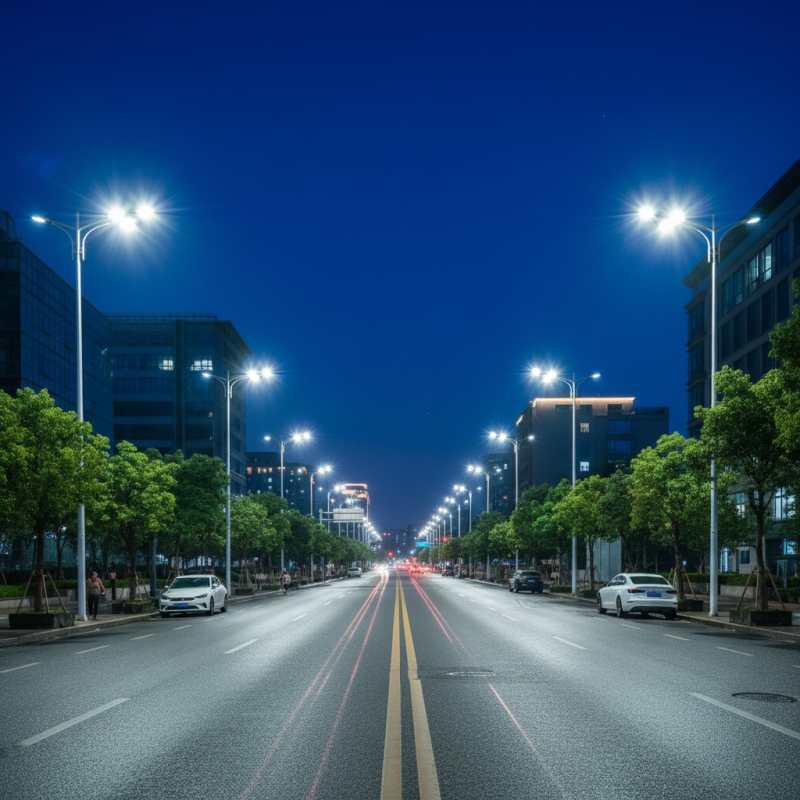
2026 Best Factors Influencing Street Lighting Brightness?

Key Technological Advances in Street Lighting Systems

Street lighting systems are undergoing significant technological advancements. One notable change is the shift to LED technology. Reports indicate that LEDs can reduce energy consumption by up to 80% compared to traditional lighting. This shift not only cuts costs but also lowers carbon emissions. A well-lit street can improve safety, reducing crime rates by 30%, according to a study by the Institute of Transportation Engineers.

Smart lighting systems are also revolutionizing urban streets. These systems use sensors to adjust brightness based on real-time conditions. For instance, streets can dim during low traffic periods, saving energy. A study showed that cities adopting smart street lighting saved an average of 20% on electricity bills. Yet, this technology is not flawless. Connectivity issues can disrupt service, leading to prolonged outages.

Integrating solar-powered solutions is another development worth mentioning. Solar lighting can provide illumination in remote areas without additional energy costs. However, reliance on solar power might not be reliable during prolonged cloudy days. Urban planners need to weigh these challenges against the benefits of sustainability. The ongoing evolution of street lighting demands careful consideration of both technology and practical implementation.

The Role of Light Source Types in Brightness Levels

The type of light source plays a crucial role in street lighting brightness. Various light sources emit different levels of brightness, impacting visibility. Conventional incandescent bulbs produce warm light but lack efficiency. In contrast, LED lights are more energy-efficient and offer higher brightness levels.


Choosing the right light source is essential for urban planning. Higher brightness improves safety, while lower levels may lead to dark areas, increasing risk. Using LEDs can create an inviting urban environment. However, it's important to consider glare and light pollution. Too much brightness can disturb wildlife and negatively affect the community.


Tips: Always assess the specific needs of each location. Consider factors like pedestrian traffic and nearby buildings. Finding a balance between brightness and comfort improves overall satisfaction. Regularly review street lighting conditions to ensure safety and effectiveness.

Impact of Environmental Factors on Street Lighting Brightness

Environmental factors play a crucial role in determining street lighting brightness. Weather conditions significantly influence how light is perceived. On rainy nights, for example, the reflection of light on wet surfaces can create a different ambiance. Visibility decreases during foggy conditions due to scattered light. This can make streets feel darker than they are.

The type of surrounding environment also matters. Urban areas often have more ambient light compared to rural ones. Trees or buildings can create shadows, affecting how light spreads. This can lead to poorly lit areas in high-density regions, leading to safety concerns. Street lighting design should consider these elements to ensure uniform brightness.

It's essential to understand that not all lighting is created equally. Factors like lamp type and color temperature also impact brightness. For instance, warmer lights may feel less bright than cooler lights, even at the same output. Designers must balance aesthetics with functionality. This ensures that lighting serves its purpose without contributing to light pollution.

Regulatory Standards and Guidelines Affecting Street Lighting

Regulatory standards play a crucial role in street lighting design and implementation. These guidelines affect the brightness, uniformity, and distribution of light. The Illuminating Engineering Society (IES) provides main standards for outdoor lighting. According to IES, street lighting should minimize glare while ensuring safety for pedestrians and drivers. Compliance with these guidelines is essential for urban planners.

Recent data from the U.S. Department of Energy highlighted that effective street lighting can decrease crime rates. Communities with adequate lighting report a 20% reduction in incidents. Furthermore, local governments often adopt regulations focusing on energy efficiency. This includes requirements for LED technology, which uses 50% less energy than traditional lighting. However, not every municipality adheres strictly to these standards.

Challenges remain in uniform implementation. Inconsistent brightness levels can lead to safety issues and aesthetic concerns. Some areas still use outdated fixtures, impacting visibility. Addressing these inconsistencies is an ongoing need for city planners. Enhanced guidelines may focus on adapting to local needs while ensuring compliance with established standards. Collaboration between stakeholders is essential for effective street lighting strategies.

2026 Best Factors Influencing Street Lighting Brightness

Factor Description Regulatory Standard Impact Level (1-5)
Luminaire Design The design and shape of street lighting fixtures can impact light distribution. IESNA RP-8-14 4
Light Source Types of bulbs (LED, HPS, etc.) affect energy consumption and brightness. ANSI C78.377 5
Installation Height Height of fixture installation impacts the effective brightness on the ground. MH/IEC 60598-2-3 3
Control Systems Smart lighting controls can enhance brightness based on real-time conditions. IESNA DG-23 4
Maintenance Schedule Regular maintenance ensures optimal performance and brightness. ISO 9001 5

Future Trends in Smart Street Lighting Technologies

Smart street lighting technologies are evolving rapidly. These systems use sensors and data analytics to adjust brightness based on real-time conditions. Imagine lights that automatically dim in low traffic areas at night or brighten during peak hours. This adaptability can enhance safety while saving energy.

Moreover, integrating renewable energy sources is becoming common. Solar panels on street lights can reduce reliance on the grid. This shift towards sustainability is promising but not without challenges. Weather conditions can affect the efficiency of solar energy. Cities must plan for fluctuations in power generation to maintain consistent lighting levels.

Another trend is the incorporation of IoT devices. These devices enable communication between street lights and infrastructure. Such connectivity can provide valuable data for city planning. However, data security remains a concern. Protecting sensitive information is vital as cities adopt smarter systems. Balancing technology and safety is an ongoing discussion that requires careful consideration.

FAQS

: How does the type of light source affect street lighting brightness?

: Different light sources emit varying brightness levels. This greatly impacts visibility in urban planning.

What are the advantages of using LED lights?

LED lights are energy-efficient and provide higher brightness levels compared to conventional bulbs.

Why is proper light source selection critical?

Choosing the right source enhances safety by making streets brighter and decreases the risk of dark areas.

What negative effects can excessive brightness have?

Excessive brightness can cause glare and disrupt wildlife, affecting the community negatively.

How do weather conditions influence street lighting?

Rainy nights can reflect light differently, while fog reduces visibility, creating darker appearances.

Why is the surrounding environment important for lighting design?

Urban areas have more ambient light and structures that create shadows, affecting overall brightness.

How does the color temperature of lights affect perception?

Warmer lights may feel dimmer than cooler lights, although their output is similar.

What should be considered when reviewing street lighting conditions?

Traffic patterns and surrounding buildings must be assessed regularly to ensure optimal safety and effectiveness.

How can designers balance aesthetics and functionality in lighting?

They need to ensure uniform brightness while minimizing light pollution, enhancing both beauty and purpose.

What ongoing review processes should be implemented?

Regularly check lighting conditions to adjust for safety and community satisfaction, reflecting on any inadequacies.

Conclusion

The brightness of street lighting is influenced by several key factors that are critical for urban planning and safety. Technological advances in street lighting systems play a significant role, as innovations in LED and smart lighting technologies enhance brightness while optimizing energy efficiency. The type of light source also impacts brightness levels, with different materials and designs providing varying luminosity effects.

Additionally, environmental factors, such as weather conditions and surrounding infrastructure, can substantially affect how effectively street lights illuminate areas. Compliance with regulatory standards and guidelines ensures that brightness levels meet safety and accessibility requirements. As the future unfolds, trends towards smart street lighting technologies promise to further enhance brightness control through adaptive systems that respond to real-time conditions. Understanding what factors affect the brightness of street lighting is essential for improving urban environments and ensuring public safety.

Liam

Liam

Liam is a dedicated marketing professional with a profound expertise in the industry, where he excels at highlighting the unique advantages of our core products. With a keen understanding of market trends and consumer needs, Liam frequently updates our company’s professional blog, providing......