Choosing the right street lights for residential areas is crucial for safety and aesthetics. Renowned lighting expert John Smith emphasizes, “Quality lighting transforms neighborhoods.” Street lighting not only provides visibility but also enhances community feel.
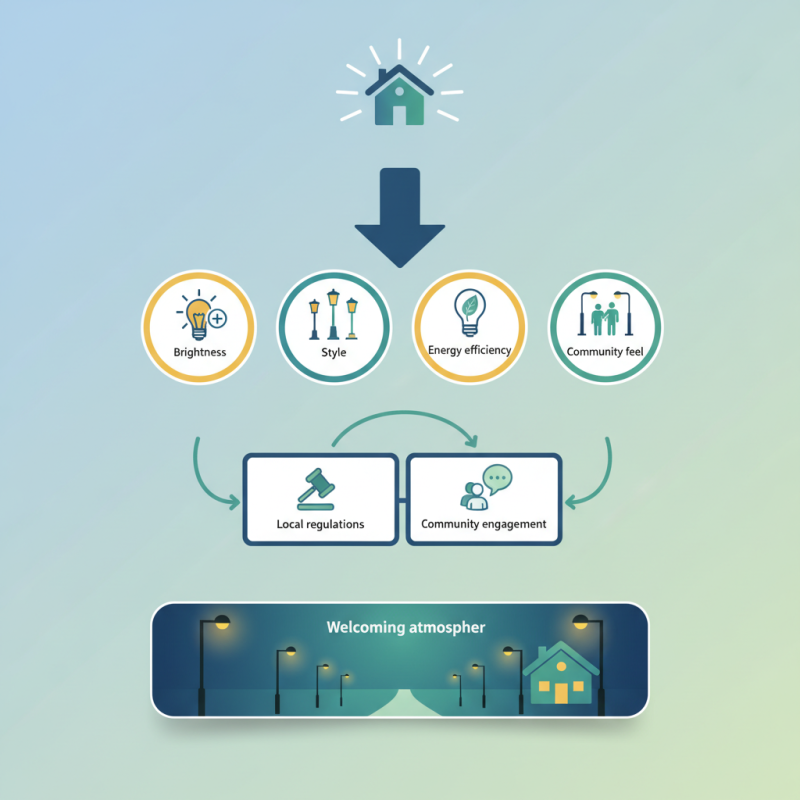
When considering how to choose street lights for residential areas, it's essential to assess various factors. This includes the brightness, style, and energy efficiency of the fixtures. Each neighborhood has unique needs, and it's easy to overlook critical details.
Moreover, local regulations may dictate specific requirements for street lighting. Ignoring these could lead to costly adjustments. Engaging with the community can provide insights into preferences that improve satisfaction. Remember, the goal is not just illumination, but also creating a welcoming atmosphere.
Proper street lighting plays a critical role in residential areas. It enhances safety, deters crime, and promotes a sense of community. According to the International Dark-Sky Association, well-lit streets can reduce nighttime traffic accidents by up to 30%. This statistic highlights the necessity of reliable illumination in our neighborhoods. Good lighting fosters a welcoming environment, encouraging residents to walk outside after dark.
Moreover, inadequate street lighting contributes to increased crime rates. A study by the Institute for Transportation Engineers revealed that neighborhoods with poor lighting experienced 25% more crime than well-lit areas. This correlation emphasizes the need to prioritize effective street lighting design. It's not merely a luxury; it's a community necessity.
Despite the clear advantages, many residential areas still struggle with lighting issues. Poorly designed street lights can create shadows, hiding potential dangers. Also, the presence of glare can disorient drivers and pedestrians alike. Evaluating and upgrading existing lighting systems should be a top priority for residential communities. Balancing efficiency and efficacy in lighting design involves ongoing reflection and adjustment.
When choosing street lights for residential areas, several key factors come into play. You want lights that enhance safety while also being energy efficient. One major consideration is brightness. Too much light can create glare, making it harder for drivers and pedestrians. The right balance keeps the area illuminated without overwhelming residents.
Material and design matter, too. Selecting durable materials ensures that the lights withstand weather conditions. Consider aesthetic design that complements neighborhood characteristics. Street lights should not only function well but also enhance the landscape. Keep in mind neighborhood feedback. Engaging residents in discussions leads to better decision-making.
Tips for selecting street lights include focusing on energy efficiency. LED options often last longer and use less energy, lowering maintenance costs. Check local regulations regarding light pollution. It's essential to ensure that your choices align with community guidelines. Research local options for installation and maintenance support to avoid future hassle.
Integrating community needs and preferences will lead to a cohesive and appealing neighborhood lighting scheme.
When considering street lights for residential areas, the choice between LED and traditional options is crucial. LEDs excel in energy efficiency, consuming about 75% less energy than conventional incandescent bulbs. This significant reduction leads to lower electricity bills and decreased environmental impact. Additionally, LEDs last longer, often exceeding 25,000 hours, compared to the 1,000 hours typical of traditional bulbs. Residents should weigh these factors when planning their lighting systems.
However, not all LEDs are created equal. Some cheaper options may not provide the brightness or longevity expected. This can lead to unexpected replacements and higher overall costs. Traditional street lights may offer a familiar aesthetic, which some communities prefer. Yet, they come with higher maintenance costs and more frequent replacements. Each option has trade-offs, and it’s essential to reflect on what truly serves the community’s needs. Balancing cost, aesthetics, and energy efficiency is key in making the right choice.
| Criteria | LED Street Lights | Traditional Street Lights |
|---|---|---|
| Energy Efficiency (LPW) | 80-100 | 30-50 |
| Lifespan (Years) | 15-25 | 5-10 |
| Maintenance Frequency (Years) | 5 | 2 |
| Initial Cost ($) | 100-300 | 50-150 |
| Annual Energy Cost ($) | 20-30 | 80-120 |
| Environmental Impact (CO2 Emissions) | Low | High |
Street lights play a crucial role in enhancing safety in residential areas. Well-designed lighting can deter crime by increasing visibility. Criminals are less likely to target well-lit neighborhoods. Conversely, dark streets can become hotspots for illegal activities. Installing the right street lights is not just about aesthetics; it directly impacts community safety.
Choosing the right design involves careful consideration. Simple, uniform illumination works best. Avoid overly bright lights that create harsh shadows. These can make some areas feel unsafe. Opt for designs that provide a warm glow while still being functional. This balance promotes comfort without sacrificing security.
Tips: Focus on LED lights for energy efficiency. They provide better visibility and last longer. Regular maintenance is essential to ensure all lights operate effectively. Check for burnt-out bulbs regularly to maintain safety. Encourage community involvement in choosing light placements. Local input can highlight areas needing attention and increase resident engagement.
This chart illustrates the relationship between different street light designs and their impact on crime rates in residential areas. The safer the design, the lower the crime rate observed.
Choosing street lights for residential areas requires careful consideration of regulatory standards and best practices. Proper lighting enhances safety, aesthetics, and community well-being. Local regulations often dictate luminaire types, energy efficiency, and light pollution restrictions. Adhering to these rules ensures compliance and fosters a sustainable environment.
When selecting street lights, consider the color temperature. Warm white lights create a cozy atmosphere, while cooler temperatures enhance visibility. Aim for a uniform distribution of light to minimize shadows and dark spots. This enhances safety and deters crime.
Tips for effective lighting: Opt for energy-efficient LED fixtures. They consume less power and have longer lifespans. Regular maintenance checks are crucial for ensuring functionality and safety. Community involvement in the decision-making process can also yield valuable insights. Local residents may offer perspectives based on their daily experiences, leading to a more tailored lighting solution.
: LED street lights consume about 75% less energy than traditional incandescent bulbs. This results in significantly lower electricity bills.
LEDs often last over 25,000 hours, while traditional bulbs typically last only around 1,000 hours.
No, some cheaper LED options may not offer the expected brightness or longevity. Choose quality products carefully.
Well-lit areas deter crime by increasing visibility. Dark streets may encourage illegal activities.
Simple, uniform illumination is best. Avoid overly bright lights that create shadows, making areas feel unsafe.
Regular maintenance ensures all lights are functional. Check for burnt-out bulbs to maintain safety in the community.
Community input can help identify areas needing attention and lead to more effective lighting solutions.
Warm white lights create a cozy atmosphere, while cooler ones enhance visibility. Uniform light distribution minimizes dark spots.
Balance cost, aesthetics, and energy efficiency. Complying with local regulations is essential for sustainability.
Some communities may prefer traditional aesthetics, but they incur higher maintenance costs and need more frequent replacements.
Choosing the right street lights for residential areas is crucial for enhancing safety and community aesthetics. To determine how to choose street lights for residential areas, one must first understand the importance of adequate lighting in reducing crime rates and fostering a sense of security among residents. Key factors such as energy efficiency, design, and compliance with regulatory standards play a vital role in the decision-making process.
Furthermore, a comparative analysis of LED versus traditional street lights highlights the long-term benefits of modern lighting solutions, which are not only cost-effective but also environmentally friendly. By focusing on these elements, communities can ensure that their street lighting projects contribute positively to public safety and energy conservation while adhering to best practices in residential design.

Star Lighting