Installing street lights is crucial for urban safety and visibility. Proper installation impacts traffic safety and community well-being. According to the National Safety Council, well-lit streets can reduce nighttime accidents by 40%. Yet, many installations fail to adhere to safety guidelines.
“Understanding how to install street lights safely and correctly is essential for any city manager,” says Mark Thompson, an expert in urban infrastructure. His insights emphasize the need for thorough planning and execution. Attention to detail during the installation process can prevent costly errors and safety hazards.
While many projects seem straightforward, overlooking critical steps often leads to issues. For example, choosing the wrong height or positioning can lessen the light's effectiveness. These are common pitfalls that require awareness and reflection. As cities strive for safer environments, mastering how to install street lights safely and correctly becomes more important than ever. Each installation should prioritize both compliance and community needs.
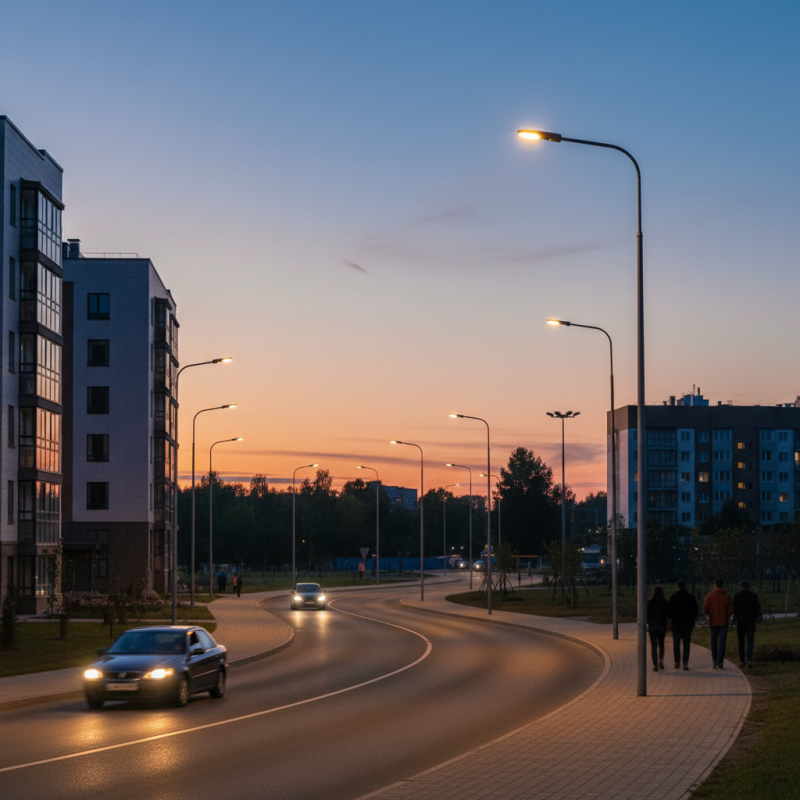
Understanding local regulations for street light installation is crucial for successful implementation. Each jurisdiction has specific guidelines detailing installation methods, safety standards, and placement criteria. For example, the Illuminating Engineering Society (IES) provides comprehensive standards ensuring proper illumination levels. According to a 2021 report, improper lighting can lead to a 25% increase in accidents. Following these regulations mitigates risks and improves safety.
The planning stage should include zoning laws and community input. Local government websites often publish these regulations, yet they may be difficult to navigate. A 2022 study highlighted that 40% of street light projects face delays due to regulatory issues. Engaging with local authorities can simplify compliance. Additionally, consider the environmental impact. Some regions require assessments to minimize light pollution.
It’s essential to review all aspects thoroughly. Ignoring regulations can lead to costly rework and community discontent. Challenges may arise when adapting designs to fit local codes. Flexibility is key. Regular communication with stakeholders can help in addressing these hurdles effectively.
Selecting the right location for street lights is crucial for effective illumination. Research shows that poorly placed lights can lead to uneven brightness, causing safety concerns. According to the Illuminating Engineering Society, optimal light distribution is essential for pedestrian safety and crime deterrence. This emphasizes the need for careful analysis when determining light placement.
When assessing locations, consider factors like pole height and surrounding structures. Light poles should be positioned to minimize shadows. Zoning regulations can provide guidelines on placement. For instance, residential area lights should be spaced approximately 100 feet apart. This spacing helps ensure adequate light coverage while avoiding over-illumination.
Environmental factors also impact light placement. Trees, buildings, and signage can obstruct light paths. In a study by the National Park Service, it was noted that natural features could absorb up to 30% of light in urban areas. This underlines the importance of a thorough site evaluation. Engaging with local communities can unveil unique needs and preferences. Their insights may lead to better light distribution strategies.
| Tip Number | Tip Description | Recommended Location | Optimal Light Type |
|---|---|---|---|
| 1 | Assess the area for pedestrian traffic | High foot traffic zones | LED flood lights |
| 2 | Consider proximity to intersections | Intersections and crosswalks | Street lights with high lumen output |
| 3 | Avoid placing lights too close to trees | Wooded areas | Directional LED lights |
| 4 | Install light fixtures at adequate height | Roadways and bike paths | Tall pole fixtures |
| 5 | Consider light pollution effects | Residential zones | Downward-facing lights |
| 6 | Ensure easy maintenance access | Service roads | Standard street lights |
| 7 | Evaluate energy efficiency options | Commercial and public spaces | Solar-powered lights |
| 8 | Choose lights with adjustable intensity | Parks and recreational areas | Smart lighting systems |
| 9 | Adhere to local regulations and standards | Urban areas | Regulatory compliant fixtures |
| 10 | Test light effectiveness during different times | Various settings | Adjustable LED panels |
Installing street lights requires careful attention to tools and equipment. Having the right materials ensures safety and efficiency. Essential tools include a sturdy ladder, electrical tape, and high-quality wire connectors. These items help in preventing accidents during installation. Proper lighting gear like headlamps can be invaluable for night work. Always prioritize safety by wearing gloves and helmets.
Tip: Check local regulations before starting. Not every area allows you to install lights freely. This knowledge helps avoid penalties and ensures compliance with municipal standards. Secure all connections properly. Loose connections could lead to failures down the line.
Handling heavy equipment can be tricky. Using a lift or hiring professionals for heavy installations is wise. This not only prevents strain but also reduces the risk of accidents. When working with electrical components, testing voltage with a multimeter is crucial. Electricity can be dangerous if not handled properly.
Remember, take time to review your work. Ensure everything is aligned and functioning as intended. Pay attention to the aesthetics and placement for maximum visibility. Inadequate lighting can lead to safety issues. Always reflect on your processes for continuous improvement.
When considering the electrical requirements for street lighting, safety standards must be prioritized. Proper voltage levels are essential to prevent electrical hazards. Installations need to follow local codes that dictate wiring types and protective measures. Use weather-resistant materials for outdoor fixtures. This ensures durability against environmental factors. Routine checks are a good idea to maintain functionality and safety.
Grounding systems play a crucial role in any electrical setup. They provide a safe path for excess current, which helps in preventing accidents. Ensure all fixtures are properly grounded. Use GFCI outlets to mitigate shock risks. Inspect all connections for corrosion or damage over time. Regular maintenance checks are more than just a formality; they can save lives.
Wiring practices cannot be overlooked. Follow structured guidelines for installation. Ensure that cables are buried at a depth that prevents accidental damage. Implement surge protection to handle electrical spikes. Familiarity with local electrical codes enhances compliance and safety. Reviewing these standards frequently can keep projects aligned with the best practices. It's an ongoing learning process, and mistakes can lead to significant consequences.
Routine maintenance of street lights is crucial for ensuring their longevity and peak performance. Regular inspections should be scheduled to check for any damage or wear. This includes both the lights themselves and their fixtures. Look for cracks, rust, or loose connections. A small issue can lead to bigger problems if not addressed promptly.
Make sure to clean the glass covers regularly to prevent dirt buildup, which can reduce light output. It’s essential to replace burnt-out bulbs immediately, as this not only enhances safety but also helps maintain a consistent brightness in the area. Adopting a maintenance log can help track repairs and replacements over time.
Tip: Always ensure that the electrical components are inspected by a qualified technician. They can spot potential issues that non-experts might miss. Implementing a maintenance schedule can lead to better efficiency and reliability of street lights. Addressing small issues early on will save time and costs in the long run. Pay attention to the surroundings; foliage may need trimming to prevent obstruction of light.
: Proper location ensures effective illumination and enhances safety. Poor placement can lead to uneven brightness.
Consider pole height, surrounding structures, and zoning regulations. These factors affect shadows and light coverage.
Lights should be spaced about 100 feet apart for adequate coverage without over-illumination.
Trees, buildings, and signage can block light, reducing its effectiveness in urban areas.
Use a sturdy ladder, electrical tape, wire connectors, and proper lighting gear for safety.
Testing voltage with a multimeter prevents dangerous situations and ensures safe installation.
Schedule regular inspections to check for damage, wear, and bulb replacements.
Clean glass covers and address small issues promptly to prevent bigger problems.
Engaging with communities helps identify unique needs and preferences for better installations.
Reflect on processes and involve qualified technicians for thorough inspections of electrical components.
When considering how to install street lights safely and correctly, it is essential to first understand the local regulations governing street light installation. Compliance with these laws ensures not only safety but also optimal performance of the lighting system. Selecting the appropriate location is critical for achieving optimal light distribution, thus enhancing visibility and safety on roadways.
Equipping yourself with the right tools and equipment is crucial in ensuring a smooth installation process. Additionally, being aware of the electrical requirements and safety standards specific to street lighting is fundamental to prevent accidents and ensure longevity. Routine maintenance practices further support the continued effectiveness of street lights, helping to keep communities well-lit and secure.

Star Lighting