Street lighting is essential for urban safety. However, many cities face issues with lighting reliability. This raises the question, "What causes street lights to flicker or fail?" According to Dr. Emily Thompson, an expert in urban lighting systems, "Flickering street lights can indicate deeper electrical issues."
Street lights can flicker for several reasons. Electrical surges, faulty connections, and aging infrastructure are common culprits. These factors can disrupt the power supply. They may lead to street lights failing completely. Urban areas often overlook these problems until they result in community safety concerns.
Improving street lighting systems requires attention to these issues. Regular maintenance and timely upgrades are crucial. Communities need to be proactive. Addressing the root causes of flickering lights can enhance public safety and reduce energy waste. This ongoing challenge demands expertise and continuous improvement.
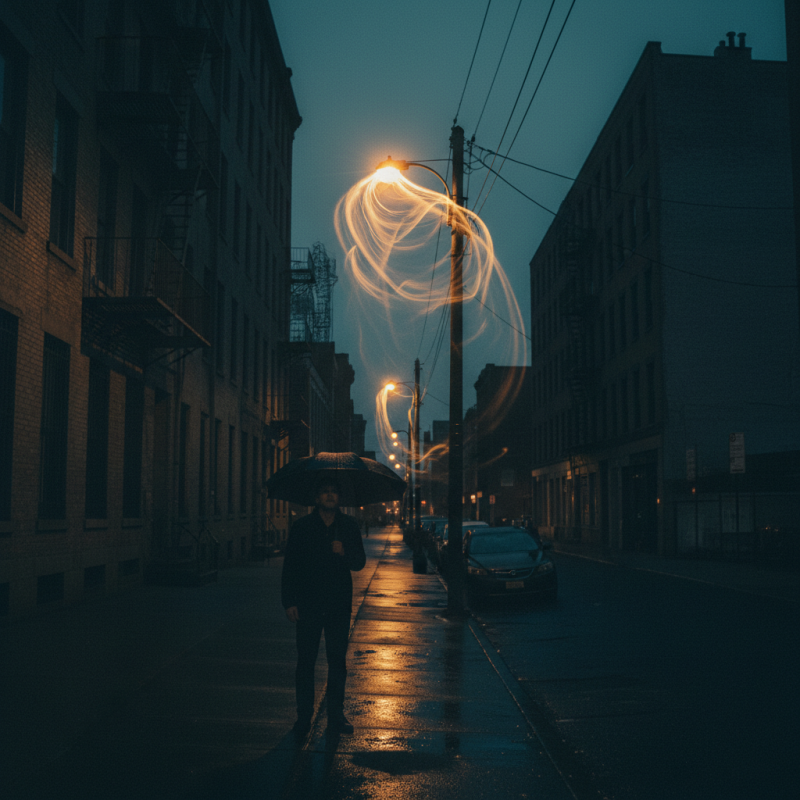
Flickering street lights can be more than just a nuisance. They often signal underlying issues that require attention. Various factors contribute to this phenomenon, including electrical problems, weather conditions, and faulty components. A common cause is loose wiring or connections, which disrupt the electrical flow. Another issue can arise from water intrusion in electrical fixtures, especially during storms. This can lead to flickering or complete failure.
Additionally, aging light fixtures can be a culprit. Over time, bulbs may degrade, leading to inconsistent lighting. Another factor is voltage fluctuations, which can occur due to nearby electrical activity or grid issues. Regular maintenance is critical to identify these problems early. Urban planners and maintenance crews need to remain vigilant. Timely repairs can prevent safety hazards and ensure public spaces remain well-lit.
While flickering street lights may seem trivial, they impact community safety and aesthetics. It’s essential to address these issues promptly. Citizens should report any flickering to local authorities. Engaging the community can foster awareness and encourage proactive measures. After all, a well-lit street promotes safety and enhances the urban experience.
This chart illustrates the common causes of flickering street lights based on a survey of 100 incidents. Power supply issues account for the majority of reported cases, followed by weather conditions and fixture damage.
Flickering street lights can disrupt urban safety and ambiance.
Common electrical issues often lie behind these failures. According to a report by the International Institute of Electrical Engineers,
around 30% of street light outages are related to faulty wiring or connections.
Poor connections can lead to inconsistent power supply, resulting in flickering lights.
Another significant cause of street light failure is voltage fluctuations.
An increase in electrical loads can lead to excessive voltage, damaging sensitive lighting systems. A study by the Electrical Engineering Institute found
that over 40% of street lights surveyed experienced failures due to voltage irregularities.
Regular maintenance and monitoring can help mitigate these issues.
It is also crucial to consider environmental factors. Harsh weather conditions can harm electrical components.
Extreme temperatures affect wiring insulation, leading to shorts or other electrical failures.
Neglecting these elements has consequences. Without proper care, cities may see increased costs in repairs and replacements.
Understanding these issues is critical for effective management of street lighting systems.
Street lights are crucial for urban safety, yet they often flicker or fail. Various environmental factors can significantly impact their performance. Weather conditions such as heavy rain, snow, and wind can lead to flickering or complete outages. According to a report by the International Energy Agency, about 30% of street light failures are attributed to adverse weather. In addition, the corrosive effect of salt in coastal areas can deteriorate the fixtures, leading to premature failures.
Pollution and dust accumulation also play a role. The build-up on lenses reduces light efficacy and might cause flickering. A study from the National Institute of Standards and Technology suggests that a regular maintenance schedule including cleaning can enhance longevity by up to 40%. Keeping track of local air quality data is essential for anticipating maintenance needs.
Tip: Regularly inspect and clean street light fixtures to ensure clear visibility and optimal performance.
Too often, cities ignore these environmental influences. Inadequate assessment of surrounding vegetation can result in lights being obscured, further dimming effectiveness. Municipalities might consider innovative solutions, such as smart lighting systems that adapt to environmental conditions.
Tip: Implement smart sensors that alert maintenance teams about potential failures due to environmental factors.
Flickering street lights can be more than just a nuisance; they symbolize underlying issues. Regular maintenance is vital to ensure they operate efficiently. Over time, wear and tear can lead to faulty wiring connections. Checking these connections may reveal loose wires or corrosion. Addressing these problems promptly can prevent total failure.
Replacing bulbs is another essential task. However, improper installation can lead to flickering, too. Technicians should follow best practices to ensure a firm fit. It's not just about swapping out old bulbs; securing them correctly can make a significant difference. If bulbs continue to flicker after replacement, the issue may lie deeper in the electrical system.
Moreover, environmental factors play a role. Weather conditions can affect outdoor lighting systems. Heavy rain or strong winds might disrupt power supply to street lights. Regular inspections after severe weather are advisable. Being proactive can reduce costly repairs and enhance community safety.
Street lighting plays a critical role in urban safety and aesthetics. However, flickering or failing lights disrupt this function. Research indicates that up to 30% of street lights can be non-functional at any given time. This not only affects visibility but also undermines community safety and increases crime rates.
Innovative technologies are emerging to address these issues. For instance, smart sensors can monitor light performance in real-time. According to a recent report, cities implementing smart technologies see a 25% reduction in maintenance costs. Additionally, LED lights are now equipped with self-diagnostic features, which can alert maintenance teams before a complete failure occurs.
Despite these advancements, challenges remain. Some municipalities struggle with funding to upgrade their lighting systems. Others face technical barriers in integrating new technologies into existing infrastructure. These obstacles highlight the need for continuous innovation and investment in smart street lighting solutions to ensure consistent performance and safety.
: Flickering can result from loose wiring or connections disrupting electrical flow.
Storms can lead to water intrusion in fixtures, causing flickering or failures.
Over time, bulbs degrade, leading to inconsistent lighting and potential failures.
They can occur from nearby electrical activity, often causing street lights to flicker.
It identifies problems early, preventing bigger safety hazards and ensuring lights function well.
Reporting engages the community and encourages local authorities to take prompt action.
Flickering lights can create safety concerns and negatively affect the ambiance of public spaces.
Around 30% of street light outages stem from poor wiring or connections.
Extreme temperatures can damage wiring insulation, resulting in shorts and failures.
Neglecting maintenance can lead to higher repair costs and compromised safety for the community.
The article titled "What Causes Street Lights to Flicker or Fail?" explores various factors contributing to the malfunctioning of street lighting systems. The causes of flickering street lights include common electrical issues such as faulty wiring, bulb problems, and issues with power supply, which can lead to unpredictable performance. Additionally, environmental factors like weather conditions and pollution can adversely affect the durability and efficiency of street lights.
To address these challenges, the article discusses maintenance and repair solutions, emphasizing the importance of regular inspections and prompt repairs to ensure optimal performance. Furthermore, it highlights innovations in street lighting technology, such as smart lighting systems and more durable materials, designed to reduce failures and enhance reliability. Overall, understanding "what causes street lights to flicker or fail" is crucial for municipalities aiming to improve urban lighting infrastructure and ensure safety for pedestrians and drivers alike.

Star Lighting