LED street lights are becoming increasingly popular in China. They offer energy efficiency and long-lasting performance. Many cities are making the switch to these innovative light sources. But a common question remains: How long do LED street lights normally last?
On average, LED street lights last between 15,000 to 50,000 hours. This impressive lifespan often exceeds traditional street lighting options. Factors such as environmental conditions and quality of manufacturing affect their longevity. In some cases, lower-quality products may not fulfill expectations. It is essential to choose reliable brands with a good reputation in the market.
Users should also know that while LED lights are durable, they can still experience issues. Regular maintenance is crucial for ensuring optimal performance. Poor installation can also lead to shorter lifespans. Understanding these details helps optimize benefits. In conclusion, considering how long LED street lights last is vital for any city planning changes.
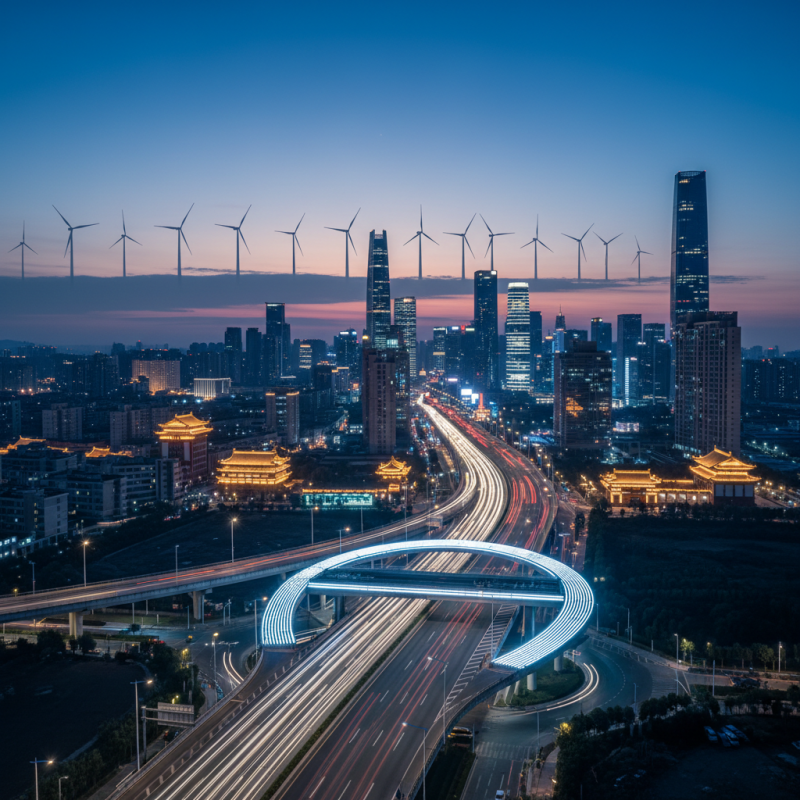
LED street lights have become increasingly popular in China, driven by their energy efficiency and durability. Studies indicate that these lights can last anywhere from 25,000 to 50,000 hours, which is significantly longer than traditional street lighting. According to a report by the China Solid State Lighting Alliance, nearly 70% of urban areas have adopted LED technology for street lighting in recent years. This shift not only reduces energy consumption but also lowers maintenance costs for city administrations.
However, challenges remain in the widespread implementation of LED street lights. The initial investment can be higher than traditional options. Many local governments struggle to secure funding for these upgrades. Additionally, the quality of LED products varies greatly. Some low-quality lights may not meet longevity expectations, leading to early failures. This inconsistency can foster skepticism among decision-makers about the long-term benefits of LED technology.
Despite these hurdles, the trend toward LED street lighting is undeniable. As cities strive for sustainable development, LEDs play a crucial role in reducing carbon footprints. Ongoing research into advanced materials and designs aims to enhance performance and lifespan. The future seems bright for LED street lighting in China, but careful evaluation is necessary.
| Model | Lifespan (Hours) | Wattage (W) | Lumens Output | Material |
|---|---|---|---|---|
| Model A | 50000 | 100 | 13000 | Aluminum |
| Model B | 60000 | 120 | 15000 | Die-cast Aluminum |
| Model C | 70000 | 150 | 16000 | Plastic |
| Model D | 80000 | 80 | 14500 | Stainless Steel |
| Model E | 75000 | 90 | 12500 | Aluminum Alloy |
| Model F | 50000 | 70 | 11000 | Polycarbonate |
| Model G | 60000 | 110 | 13500 | Aluminum |
| Model H | 68000 | 130 | 15000 | Zinc Alloy |
| Model I | 62000 | 95 | 12000 | Aluminum |
| Model J | 54000 | 85 | 11500 | Steel |
The lifespan of LED street lights can vary significantly. Several factors play a crucial role in determining how long they last. Chief among them is thermal management. LEDs generate heat during operation. If not properly dissipated, this heat can lead to reduced efficiency and shorter lifespan. According to industry reports, LEDs can last between 25,000 to 50,000 hours, but faulty thermal management can reduce this dramatically.
Another critical factor is the quality of components used in the LED fixture. The drivers and power supply units are vital for stable operation. Low-quality components may fail earlier, impacting the entire unit. Studies show that using high-quality, reliable parts can extend the lifespan considerably. Furthermore, environmental conditions heavily influence longevity. For instance, harsh weather or exposure to corrosive elements can lead to faster deterioration. Regular maintenance checks may mitigate some risks but are often overlooked.
Installation practices also deserve attention. Poorly executed installations can lead to stress on electrical components. This stress increases the risk of failure and can diminish overall performance. Research indicates that professional installation can enhance durability significantly. Adopting best practices and being aware of these factors can help ensure that your LED street lights reach their maximum potential lifespan.
LED street lights are increasingly popular due to their energy efficiency and long lifespan. Most high-quality LED street lights can last anywhere from 10 to 15 years, depending on various factors. These include the quality of components, environmental conditions, and usage patterns. According to industry reports, some premium brands may provide a lifespan of up to 20 years with proper maintenance.
However, it's essential to consider that not all products will meet these expectations. Some lower-quality options may struggle to reach even a fraction of this lifespan. Regular maintenance and timely replacements can help prolong the life of your street lights.
**Tip:** Always check the manufacturer's warranty. A longer warranty often indicates higher confidence in the product's durability.
Additionally, environmental factors play a crucial role. Areas with extreme weather or pollution may see faster degradation. Being mindful of these conditions can inform better purchasing decisions.
**Tip:** Consider using protective enclosures for added resilience against harsh weather. This simple measure can enhance longevity significantly.
LED street lights are pivotal for urban infrastructure. Their lifespan can reach up to 100,000 hours. However, to achieve this potential, proper maintenance is crucial. Regular checks can identify early signs of wear. Dust accumulation affects light output. Keeping lenses clean can enhance brightness by 10%.
Temperature plays a significant role in longevity. Extreme heat or cold can degrade LED components. Using thermal management systems helps mitigate these effects. According to industry reports, up to 25% of LED street lights fail prematurely due to poor thermal design. Monitoring environmental conditions is essential.
Finally, while most LEDs are designed for prolonged use, user behaviors can impact their performance. Neglecting timely maintenance can lead to reduced efficacy. In some cases, simple actions such as replacing faulty drivers can extend life significantly. Regular training for maintenance teams ensures they stay informed about best practices.
As cities increasingly adopt LED street lights, durability and longevity become critical factors. Recent studies indicate that high-quality LED street lights can last up to 50,000 hours, compared to traditional lighting options that often fall short. This translates into nearly a decade of service for urban areas. However, it is essential to recognize that environmental factors significantly influence these numbers. Temperature fluctuations, humidity levels, and the presence of pollutants can all contribute to performance degradation.
Emerging trends indicate a shift towards smart lighting systems that not only prolong the life of LEDs but also enhance efficiency. For instance, adaptive lighting technology can adjust brightness based on real-time data, thus reducing wear and extending lifespan. Some reports suggest this could lead to a 30% increase in durability. As municipalities explore these advanced options, the focus remains on balancing cost with long-term reliability.
Despite these innovations, challenges remain. The integration of new technological features often raises the initial cost. Additionally, many older installations may not easily accommodate advanced systems. Therefore, cities must weigh the benefits of these technologies against potential drawbacks. This ongoing exploration emphasizes a need for thorough evaluation and planning in urban lighting projects.
This chart illustrates the average lifespan (in years) and durability ratings of various LED street lights. The data reflects current trends in LED technology and indicates the robustness of these lighting solutions.
: Thermal management, component quality, environmental conditions, and installation practices significantly influence LED street lights' lifespan.
Quality LED street lights typically last 10 to 15 years. Some may last up to 20 years with good maintenance.
Poor thermal management can lead to heat buildup. This reduces efficiency and shortens the lifespan of LEDs.
High-quality components, like drivers, ensure stable operation. Low-quality parts may fail early, affecting overall performance.
Extreme weather or pollution can cause faster degradation. Choosing suitable locations helps mitigate these challenges.
Yes, poorly executed installations can stress electrical components. Professional installations improve durability and efficiency significantly.
Regular checks can catch wear early. Simple tasks, like cleaning lenses, can improve brightness and efficiency.
Neglecting timely maintenance can reduce performance. Ignoring early signs can lead to bigger issues down the road.
Utilizing protective enclosures can enhance resilience against extreme weather. This can promote a longer lifespan.
Regular training is essential. Keeping informed about best practices helps maintain efficiency and longevity.
LED street lights have become increasingly popular in China due to their energy efficiency and longevity. A key question that arises is, "How long do LED street lights normally last?" Various factors influence their lifespan, including quality of materials, environmental conditions, and usage patterns. Generally, high-quality LED street lights can last anywhere from 15 to 20 years, making them a cost-effective solution over time.
To maximize longevity, regular maintenance practices are essential, such as timely cleaning and inspection. Looking ahead, advancements in LED technology promise to improve both durability and efficiency, ensuring that these lights continue to illuminate streets with minimal environmental impact. By understanding the factors affecting lifespan and implementing good maintenance practices, communities can enhance the performance and life expectancy of their LED street lighting systems.

Star Lighting