The transition from traditional street lights to LED technology is significant. Urban planners and municipalities are increasingly asking, "Why are LED street lights better than traditional ones?"
LED street lights consume less energy. This efficiency translates into reduced electricity bills for cities. They also have a much longer lifespan, lasting up to 25 years compared to the 5-7 years of traditional lights. This durability means fewer replacements and less waste.
Moreover, LED lights offer better illumination and visibility. They provide bright white light, improving safety on roads and walkways. However, the upfront costs can be a concern for budgets. Some towns hesitate, fearing the initial investment. Yet, the long-term savings make LEDs an appealing choice. The switch may seem daunting, yet the benefits often outweigh the uncertainty.
Benefits of LED Street Lights Compared to Traditional Lighting
LED street lights are gaining popularity due to their many advantages over traditional lighting methods. According to the U.S. Department of Energy, LED street lights can save up to 50-70% in energy costs. This significant reduction in energy consumption is not just cost-effective, but it contributes to lower carbon emissions. Cities can reduce their carbon footprint substantially by switching to LED technology.
Another compelling benefit is the long lifespan of LED lights. Typically, LED street lights last 15 to 20 years. In contrast, traditional sodium lights last only about 5 years. This longevity translates to reduced maintenance costs and less frequent replacements, allowing for more efficient budget management in city planning. Additionally, LED lights provide better visibility due to their high color rendering index, improving safety for drivers and pedestrians alike.
However, there are challenges with the transition. The initial investment in LED technology may be higher than for traditional lighting. Some cities may hesitate before making such a shift. There are concerns about glare and light pollution, as LEDs can be brighter and more direct than previous options. Addressing these concerns requires careful planning and implementation. Cities must balance cost savings with community needs to ensure an effective transition.
Energy Efficiency: How LED Lights Save Power and Reduce Costs
LED street lights are gaining popularity for good reasons. Their energy efficiency stands out as a key advantage. Unlike traditional lights, LED technology uses significantly less power. This reduction in energy consumption translates into lower electricity bills. Imagine a city saving thousands of dollars annually just by replacing old street lights.
These lights can last up to 25,000 hours or more, compared to the 1,000 hours of traditional bulbs. This longer lifespan means fewer replacements and less waste. For municipalities, this not only reduces costs but also minimizes maintenance efforts. However, the initial installation may seem higher. But, over time, the savings on energy and maintenance often outweigh these upfront costs.
LED lights emit brighter and whiter light, improving visibility and safety. This enhancement can lead to fewer accidents and crime, making streets safer for pedestrians and drivers. However, not all LED options are created equal. It is essential to choose quality products to ensure long-term benefits. Investing in LED technology can be seen as a step forward, but communities need to weigh their options carefully. Technology evolves quickly, and staying informed is crucial.
Longevity of LED Street Lights: The Advantage of Extended Lifespan
LED street lights have gained popularity due to their impressive longevity. Many reports indicate that LED lights can last over 25,000 hours. In contrast, traditional street lights typically last around 2,000 to 5,000 hours. This significant difference means less frequent replacements. For cities, this reduces both maintenance costs and labor.
According to a study by the U.S. Department of Energy, using LED fixtures can reduce energy consumption by over 50%. This leads to lower bills and a smaller carbon footprint. Many municipalities are now reevaluating their lighting systems, seeing the long-term financial and environmental benefits of LEDs.
However, transitioning to LED technology isn't without its challenges. Initial costs may be high for some areas. There might also be concerns about color temperature and light distribution, which can affect visibility and safety. Collecting feedback from residents is crucial. Though LEDs show great promise, balancing savings with community needs demands careful consideration.
Environmental Impact: The Sustainability of LED Over Traditional Lights
The environmental impact of lighting solutions has grown to be crucial as urban areas expand. LED street lights stand out for their sustainability when compared to traditional options. According to the U.S. Department of Energy, LEDs are estimated to use at least 75% less energy than conventional incandescent bulbs. This energy efficiency directly translates to reduced greenhouse gas emissions, making LEDs a more environmentally friendly choice.
In addition to energy savings, the lifespan of LED lights is significantly longer. Typically, LEDs last up to 25,000 hours, whereas traditional lights may only last around 1,000 hours. This means fewer replacements and less waste, although it raises questions about the disposal of LED components over time. It's often overlooked that the manufacturing process for LEDs requires rare materials, which can impact the environment negatively if not managed properly.
Adoption of LED street lights can contribute to lower operational costs for cities. A report from the International Energy Agency highlights potential savings of billions of dollars in lighting costs worldwide if municipalities switch to LED technology. However, public perception varies; some community members may initially resist the transition due to perceived brightness or color differences. Thus, while LEDs present many advantages, their implementation must consider both environmental benefits and community acceptance.
Why Choose LED Street Lights Over Traditional Ones? - Environmental Impact: The Sustainability of LED Over Traditional Lights
| Parameter |
LED Street Lights |
Traditional Street Lights |
| Average Lifespan |
50,000 hours |
10,000 hours |
| Energy Consumption |
100 watts |
250 watts |
| Maintenance Cost |
Low |
High |
| CO2 Emissions |
Reduced by 50% |
Base Level |
| Color Temperature Options |
3000K to 6000K |
Limited |
| Light Directionality |
Targeted |
Omnidirectional |
Enhanced Visibility and Safety Features of LED Street Lighting
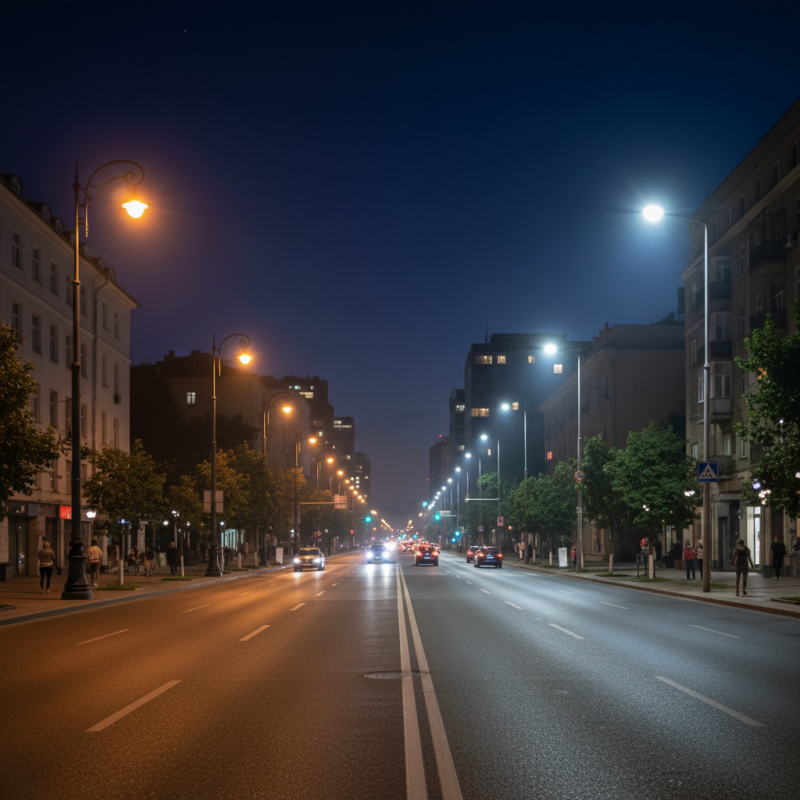
LED street lights have garnered attention for their enhanced visibility and impressive safety features. When it comes to illuminating streets, the clarity of light matters greatly. LED technology produces bright, focused beams that improve the overall visibility for drivers and pedestrians alike. This is especially important in areas with high traffic or limited street light coverage. Enhanced visibility leads to reduced accidents, fostering a safer environment for everyone.
For those considering a switch to LED lighting, it's essential to evaluate the layout of your streets. Are there dark spots that need more attention? Focusing on areas prone to accidents can significantly increase safety. Additionally, consider the color temperature of the light. Cooler light tends to enhance visibility better than warmer tones.
It's important to keep maintenance in mind. Over time, LED lights may need adjustments or cleaning. A regular schedule for inspections can ensure optimal performance. Timely maintenance and upgrades can preserve the integrity of your street lighting.
Avoid overlooking the potential of LED lights in improving your community’s safety measures. Transparent discussions about lighting needs can foster better solutions. Investing in public safety through lighting is a step worth taking. It benefits all members of the community.
Comparison of LED and Traditional Street Lights
This bar chart illustrates the comparison between LED street lights and traditional street lights based on average lumen output and energy consumption. LED street lights provide a higher lumen output while consuming less energy, enhancing visibility and contributing to safety in urban environments.
FAQS
: LED lights use much less power than traditional lights, leading to lower electricity bills.
They can last over 25,000 hours, compared to 1,000 hours for traditional bulbs.
Initial installation costs may be high, but savings on energy often outweigh these expenses.
They emit brighter and whiter light, enhancing visibility and potentially reducing accidents and crime.
No, not all LED options are equal. Quality products ensure better long-term benefits.
They lower energy consumption and reduce carbon footprints, helping the environment.
High initial costs and concerns about light quality and distribution can be significant issues.
Community input helps balance potential savings with the actual needs of residents.
They need careful evaluation of long-term benefits versus upfront costs and resident feedback.
Yes, ongoing technology improvements mean there’s always room for better lighting solutions.
Conclusion
LED street lights offer numerous advantages over traditional lighting solutions, leading many to ask, "Why are LED street lights better than traditional ones?" First and foremost, LED lights are significantly more energy-efficient, consuming less power and, therefore, reducing electricity costs. Their longevity is another key benefit, with a lifespan that often far exceeds that of traditional bulbs, resulting in lower maintenance costs and less frequent replacements.
Additionally, the environmental impact of LED street lights is considerably lower. Their energy-saving properties contribute to a reduced carbon footprint, promoting sustainability. Furthermore, LED street lighting provides enhanced visibility and safety features, improving public safety in urban areas. Overall, the combined benefits of energy efficiency, longevity, environmental sustainability, and safety make LED street lights the superior choice for modern urban lighting.

 Star Lighting