When exploring the topic of "How does color temperature affect road visibility," it's crucial to recognize its impact on safety. Color temperature refers to the warmth or coolness of light. As vehicles navigate at night or in poor weather, the right lighting can drastically improve visibility. According to Dr. Emily Carter, an expert in traffic safety, “Choosing the correct color temperature can be the difference between seeing a pedestrian and missing them entirely.”
Drivers face various challenges on the road. Inclement weather, shadows, and poor street lighting can hinder visibility. Color temperature can enhance or weaken perceptions of these factors. Warm light can create a comforting environment, while cooler light often appears sharper and more alert. This distinction might seem subtle, but it can significantly influence how far and effectively drivers see.
However, it's essential to balance aesthetics and functionality. Some cities use decorative streetlights that may lack optimal color temperatures for safety. As Dr. Carter notes, “Aesthetic choices can overshadow practical needs.” With a growing focus on urban design, understanding how color temperature affects road visibility is more pertinent than ever. The ongoing challenge lies in making informed decisions that prioritize public safety while remaining visually appealing.
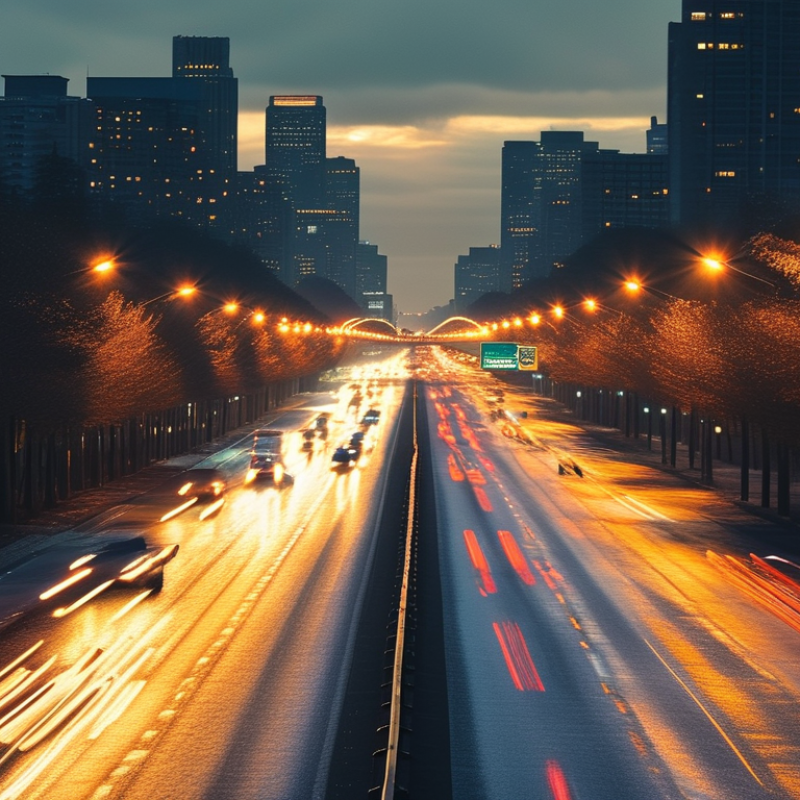
Factors Affecting Color Temperature in Road Lighting
Color temperature plays a critical role in road visibility. Various factors affect this, including bulb type, wattage, and weather conditions. For example, high-pressure sodium lights emit a warm yellow hue. This color can make road signs less distinguishable. Conversely, LED lights often provide a cooler, more natural light. This enhances contrast and helps drivers see better at night.
Weather also impacts visibility. Rain and fog can scatter light, altering its effectiveness. In low visibility conditions, a cooler color temperature is generally better. It helps create a clearer view of road markings and obstacles. However, installations must consider glare. Excessively bright lights can blind drivers instead.
Community feedback often varies on what lighting feels safest. Some prefer the warmth of traditional lights, while others advocate for brighter, cooler options. Ongoing studies may reveal more about optimal lighting solutions. There's no one-size-fits-all answer. Decisions should rely on local needs and safety data.
Impact of Color Temperature on Human Perception of Road Conditions
Color temperature plays a vital role in how we perceive road conditions, affecting our safety on the road.
Warm light tends to create a cozy ambiance but can obscure details.
Cooler light, on the other hand, enhances clarity, especially at night.
This is crucial when driving, as visibility can significantly impact reaction times.
Research shows that drivers often misjudge distances and objects under various light temperatures.
For example, a warm, yellow glow may blur lane markings and curbs.
In contrast, a stark white light illuminates these details more effectively. It's essential for road safety that
lighting systems consider these perceptions.
In urban areas, poor lighting can lead to accidents. The color temperature of streetlights should be carefully considered.
There is a tendency to overlook this aspect in infrastructure planning.
Better lighting could lead to fewer misjudgments and a reduction in road incidents. However, many cities still stick
to outdated lighting designs. This highlights the need for ongoing discussion and re-evaluation of current practices.
Role of Color Temperature in Enhancing Visibility at Night
Color temperature plays a crucial role in road visibility, especially at night. It affects how we perceive surroundings while driving or walking. Warmer light has a soft, yellowish hue. This is soothing and less harsh on the eyes. However, cooler light tends to be more vibrant and clearer. It enhances visibility significantly in darker conditions.
To improve roadside safety, consider the color temperature of outdoor lighting. Cool white lights can illuminate the road more effectively than warmer tones. This can help in spotting pedestrians or obstacles more quickly. Keep in mind that overly bright lights can cause glare, impairing visibility.
Tips: Choose lighting with a color temperature of around 4000K to 5000K. This range offers the best visibility without causing glare. Regularly assess street lighting. Ensure it meets safety standards. Awareness of surroundings while driving is vital. Be mindful of how light colors can affect visibility and safety.
Comparison of Different Color Temperatures in Road Safety Applications
Color temperature plays a vital role in road visibility. Different temperatures can significantly affect how drivers perceive the roadway. Generally, warmer colors create a cozy atmosphere. However, they may not offer the contrast needed for safety. Cooler color temperatures provide higher visibility, especially at night. This is crucial for identifying road signs and hazards.
In many studies, daylight-like temperatures of 5000K to 6500K show improved visibility. Drivers are better able to discern details in their environment. Unfortunately, some lighting systems still use lower color temperatures, which can obscure important visual cues. This can lead to accidents.
While color temperature is crucial, it is not the only factor. Road design, traffic flow, and signage also impact safety. Yet, placing greater emphasis on proper lighting can enhance overall visibility. Using the appropriate color temperature can make roads safer for everyone.
Recommendations for Optimal Color Temperature in Road Design Standards
Color temperature plays a crucial role in road visibility, impacting safety for drivers and pedestrians. Optimal color temperature can improve visibility, making it easier to see road signs and markings at night. Studies suggest that a color temperature around 4000K to 5000K offers the best visibility. This range balances brightness without causing too much glare.
Warm white lights, often below 3000K, may create a cozy ambiance but reduce contrast on roads. Cold blue lights, over 6000K, can be harsh and distracting. In urban areas, a consistent color temperature helps maintain visual coherence. However, achieving perfect lighting for every situation remains a challenge. Factors like weather, road conditions, and surrounding environment can influence how well light works on the road.
Considering these elements is essential when creating road design standards. Municipalities should prioritize effective color temperature in street lighting plans. Collaborating with experts can enhance visibility while also addressing energy efficiency. A thoughtful approach to color temperature can help ensure that roads remain safe for all users.
How does color temperature influence road visibility for safety? - Recommendations for Optimal Color Temperature in Road Design Standards
| Color Temperature (K) |
Lighting Type |
Visibility Metrics |
Safety Recommendations |
| 2700K |
Warm White LED |
Moderate Visibility |
Use for residential areas |
| 3000K |
Warm LED |
Improved Visibility |
Suitable for urban roads |
| 4000K |
Neutral LED |
High Visibility |
Recommended for highways |
| 5000K |
Cool White LED |
Excellent Visibility |
Optimal for high-traffic areas |
| 6000K |
Daylight LED |
Excellent Visibility |
Use in severe weather conditions |
FAQS
: Color temperature refers to the hue of light emitted by streetlights, affecting visibility and safety.
High-pressure sodium lights create a warm hue, reducing contrast. LED lights provide cooler, clearer illumination.
Rain and fog can scatter light, diminishing visibility. Cooler color temperatures help enhance sight in these conditions.
A color temperature between 4000K and 5000K is considered optimal for visibility and reducing glare.
Warm light blurs details like lane markings, while cooler light enhances clarity, crucial for safe driving.
Some individuals appreciate the warmth of traditional lights, while others see the need for brighter options.
Many cities still use outdated designs. Constant evaluation and discussion are needed to improve safety.
Collaborating with experts and prioritizing effective color temperature can enhance visibility and safety for all.
Road conditions, weather, and the environment influence the effectiveness of lighting, making uniform solutions difficult.
Poor visibility due to inappropriate lighting can lead to misjudgments, increasing the risk of accidents on the road.
Conclusion
The article "How does color temperature influence road visibility for safety?" explores the significance of color temperature in road lighting and its impact on safety. It discusses various factors affecting color temperature, such as the type of lighting technology and environmental conditions. The piece highlights how color temperature affects human perception of road conditions and enhances visibility at night, crucial for preventing accidents.
Furthermore, it compares different color temperatures, assessing their effectiveness in improving road safety applications. Recommendations for optimal color temperature in road design standards are provided to ensure maximum visibility and safety for all road users. Ultimately, understanding how does color temperature affect road visibility is vital for establishing safer driving environments.

 Star Lighting