As cities grapple with rising energy costs, finding solutions is imperative. Modern street lighting offers a promising avenue. According to Dr. Emily Carter, a leading expert in urban sustainability, "Implementing energy-efficient street lights can drastically cut municipal energy bills." This statement rings true as cities explore how to reduce energy costs with modern street lights.
Transitioning to LED and smart lighting systems not only conserves energy but also enhances public safety. These innovations often come with sensor technology that adjusts brightness based on real-time conditions. For example, lights can dim in low traffic areas, reducing energy usage at night. However, implementation can pose challenges. Upfront costs may deter some municipalities despite long-term savings.
Ultimately, the shift toward modern street lighting is about more than just savings. It’s about creating safer and more sustainable urban spaces. Communities need to weigh the initial investment against future benefits. Understanding how to reduce energy costs with modern street lights can lead to smarter, greener cities. Engaging local stakeholders can also help address concerns and foster support.
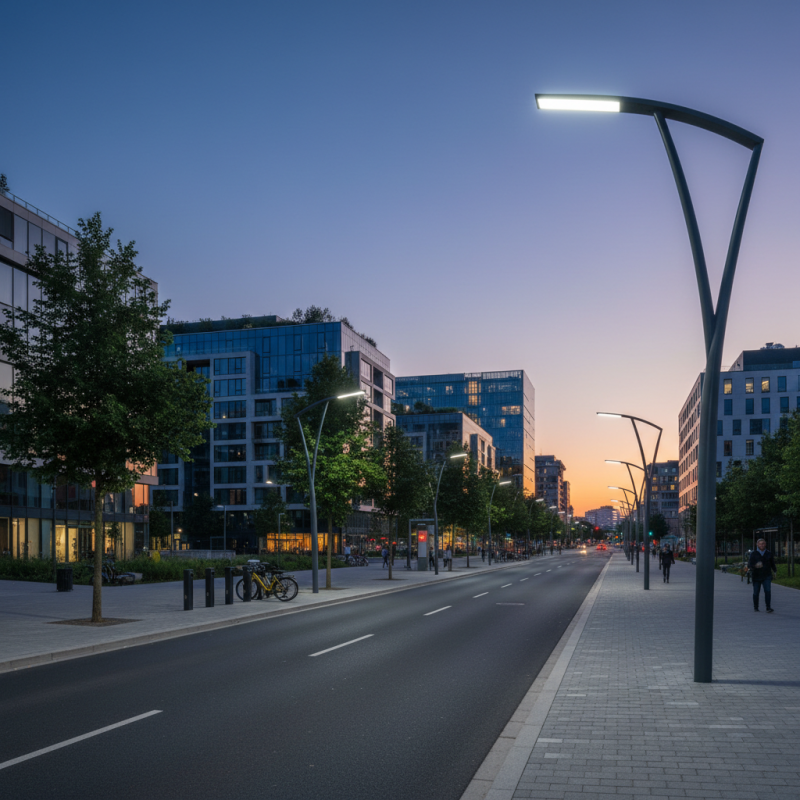
Modern street lights significantly enhance energy efficiency in urban areas. They utilize advanced technologies like LED, which consume far less power than traditional lamps. This reduction in energy usage directly translates to lower electricity bills. As cities adopt these systems, the overall demand for power decreases. This shift can lead to a notable decrease in greenhouse gas emissions, contributing positively to climate goals.
One challenge cities face is the initial cost of upgrading to modern street lights. While they save money over time, the upfront investment can be a hurdle. Yet, the long-term benefits often outweigh these initial costs. Maintenance is also a factor; modern lights require less frequent replacements, adding to overall savings. Engaging with community members can help address these concerns. Urban planners may need to emphasize both economic and environmental benefits when discussing these upgrades.
Embracing innovation in street lighting is a step toward sustainable city management. Continuous evaluation and adaptation of lighting strategies can lead to improvements. Local governments should remain informed about new products and techniques to ensure the best outcomes for their communities.
Modern street lighting technologies offer effective solutions for reducing energy costs. There are several types of energy-efficient options available today. LED lights are among the most popular choices. They consume up to 75% less energy than traditional incandescent bulbs. Reports suggest that transitioning to LEDs can lead to significant savings. Cities that have adopted LED street lighting have seen reductions of 50-70% in their energy costs.
Another promising technology is Solar-Powered Street Lights. These systems harness sunlight to generate energy. They are particularly beneficial in areas with ample sunlight. By using solar energy, cities can reduce their reliance on grid power. This often results in lower long-term maintenance costs as well. According to a recent study, implementing solar lights can save municipalities an average of $400,000 over a 20-year period.
Tips: To maximize energy savings, consider smart lighting technologies. These systems can adjust brightness based on real-time conditions. Additionally, regular maintenance and timely upgrades can prolong the longevity of your street lights. Planning for the future is essential as lighting technologies continually evolve. Regular assessments can uncover areas for improvement, ensuring optimal efficiency and safety.
| Lighting Technology | Energy Efficiency (lm/W) | Lifespan (Hours) | Initial Cost ($/Unit) | Maintenance Cost ($/Year) |
|---|---|---|---|---|
| LED Street Lights | 100 | 50,000 | 800 | 50 |
| Solar Street Lights | 90 | 25,000 | 1200 | 30 |
| Induction Lights | 70 | 100,000 | 500 | 40 |
| HPS (High Pressure Sodium) | 120 | 24,000 | 150 | 60 |
Modern street lighting systems can significantly cut energy costs when implemented strategically. Smart street lighting utilizes LED technology, which is known to consume up to 75% less energy than traditional incandescent bulbs. This is a crucial factor since street lighting accounts for approximately 30% of a city's total energy usage. By transitioning to LED lights, cities can see reductions in energy bills and maintenance costs, often leading to savings of 40-60% over time.
Utilizing smart sensors can further enhance energy efficiency. These systems adjust lighting levels based on real-time needs, such as traffic and pedestrian presence. For instance, dimming lights during low-traffic hours can decrease energy consumption by over 50%. According to a report by the International Energy Agency, smart street lighting can reduce CO2 emissions by millions of tons annually. However, some cities struggle with the initial investment and infrastructure changes required for implementation, raising questions about long-term sustainability and adaptability.
Moreover, the integration of smart technology often requires ongoing data monitoring and software updates. Many municipalities may not have the technical resources to support these systems fully. This can lead to fatigue in operational effectiveness and even increased costs if not managed properly. Hence, a careful approach to planning and execution is vital, ensuring communities reap the benefits while addressing potential setbacks.
Investing in modern street lights can significantly reduce energy costs over time. These advanced lighting systems often use LED technology, which consumes less power and has a longer lifespan. For cities, this means lower energy bills and reduced maintenance costs. Installing smart street lights can also allow for real-time monitoring. This can lead to even greater savings, as cities can respond quickly to outages or issues.
However, the initial investment in modern lighting can be high. This upfront cost can be a concern for many municipalities. They must weigh the long-term savings against the immediate expenses. It’s essential to conduct a detailed cost analysis to understand the return on investment. Some areas might see benefits sooner than others, depending on usage patterns and local energy rates. Adjustments may be necessary along the way, as cities learn from their experiences.
Communities should also consider social factors. Well-lit streets can improve safety and encourage evening activities. This can indirectly lead to increased local business revenue. It’s important to gather feedback from residents to ensure the new lighting meets their needs. Reflecting on these factors can guide more effective energy-saving measures in the future.
This chart illustrates the significant annual energy cost savings when switching from traditional street lights to modern LED street lights, with traditional lights costing approximately $15,000 and modern LED lights costing about $4,000 per year.
Modern street lighting solutions have showcased remarkable success in reducing energy costs across various municipalities. A study by the International Energy Agency noted that smart LED streetlights can reduce energy usage by up to 50%. Initiatives in cities like Los Angeles illustrate this potential. They transitioned to LED technology, leading to a reduction of about 40% in energy bills. This decision also diminished maintenance costs, as LEDs have a longer lifespan of 15–20 years compared to traditional lights.
Several case studies reveal that communities can see significant savings. For instance, a mid-sized city invested $500,000 in upgrading its streetlights. Within three years, they realized over $200,000 in energy savings. However, some municipalities faced challenges during implementation. Initial costs can be daunting. Additionally, local government buy-in is crucial. Effective communication with community members often influences acceptance.
Furthermore, cities experimenting with smart technology have seen mixed results. While real-time monitoring boosts efficiency, some municipalities have struggled to integrate these systems. The lesson here is clear—while advancements in street lighting can yield substantial energy savings, careful planning and community engagement are vital to overcome obstacles.
: Modern street lights typically use LED technology, which consumes less power than traditional lamps.
They lead to lower electricity bills due to reduced energy consumption in urban areas.
The initial cost of upgrading to modern street lights can be a significant hurdle for cities.
Modern lights require less frequent replacements, contributing to overall savings for municipalities.
Engaging with community members can help address concerns and improve acceptance of new systems.
They need to weigh long-term savings against the upfront investment to understand the return on investment.
Improved street lighting can enhance safety and encourage evening activities, potentially increasing local business revenue.
Continuous evaluation and adaptation of strategies is essential to meet community needs and improve outcomes.
Gathering feedback helps ensure that new lighting systems meet the specific needs of the community.
Smart street lights enable real-time monitoring, allowing cities to quickly address outages and optimize energy use.
The article "How to Cut Energy Costs with Modern Street Lights" explores innovative solutions to enhance energy efficiency in urban lighting. It highlights the significant benefits of modern street lights, such as reduced energy consumption and lower maintenance costs. Different types of energy-efficient street lighting technologies are discussed, including LED and smart lighting systems that adapt to environmental conditions.
Strategies for implementing smart street lighting systems are examined, emphasizing real-time monitoring and control to optimize energy usage. A detailed cost analysis illustrates the initial investment versus long-term savings, and various case studies showcase successful examples of municipalities that have effectively reduced energy costs. Overall, the article provides a comprehensive guide on how to reduce energy cost with modern street lights, making a strong case for their adoption in cities.

Star Lighting