As the 2026 Canton Fair approaches, the importance of road lighting uniformity cannot be overstated. Enhancing this aspect is key for visitor safety and comfort. Effective road lighting can guide attendees smoothly across the extensive exhibition area, which spans over 1.55 million square meters. How to improve lighting uniformity on roads becomes crucial, especially when considering the fair's busy schedule.
Adopting advanced lighting solutions can lead to better visibility and an overall improved experience for visitors. Uniform lighting reduces dark spots and enhances safety. Yet, many existing lighting setups fall short in achieving this goal. Often, inconsistencies create areas of glare or shadow, leading to confusion and potential hazards.
Reflecting on current practices sheds light on opportunities for improvement. Choosing the right type of lights, ensuring proper positioning, and regular maintenance are essential factors. Strategic planning is necessary to shape a well-lit environment for the fair. Only by addressing these issues can we aspire for a truly seamless experience for all attendees.
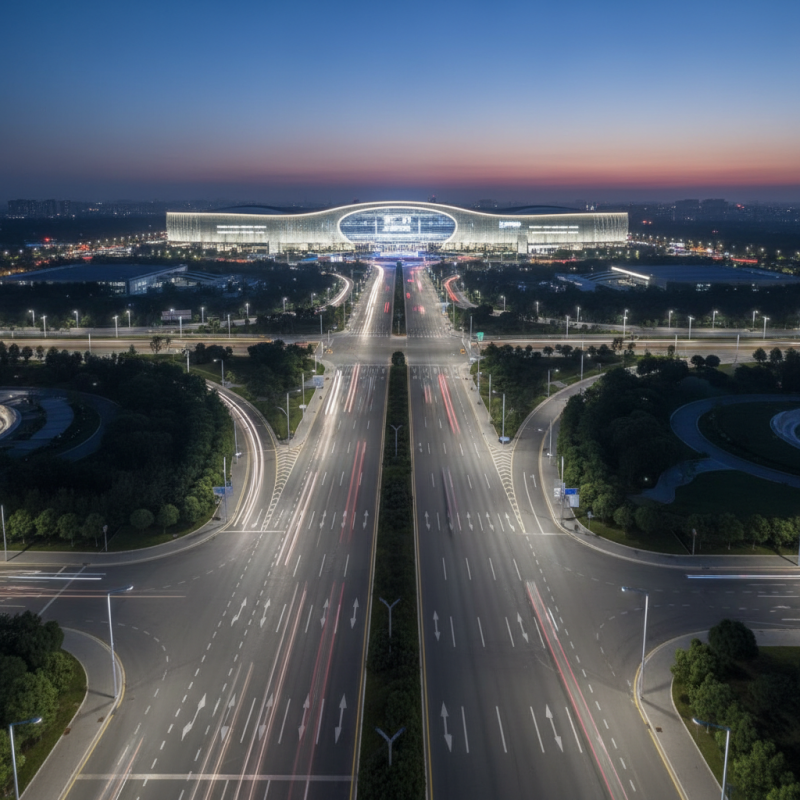
Road lighting uniformity plays a vital role in ensuring safety and comfort, especially during major events like the Canton Fair. A well-lit road enhances visibility, helping pedestrians and drivers navigate smoothly. Poor lighting can create shadows and dark spots, leading to potential accidents. As the event approaches, attention must focus on how to achieve consistent illumination across all areas.
Creating uniform lighting involves considering the type of fixtures used and their placement. It's essential to ensure that light intensity is distributed evenly. Some areas may have excessive brightness while others remain dim. This imbalance can cause discomfort or distraction for drivers. An ideal scenario should focus on providing enough light without causing glare or harsh contrasts.
The process of enhancing road lighting uniformity requires careful planning. Urban planners might overlook certain details, such as the impact of nearby trees or buildings on light distribution. Regular assessments can identify problem areas that need improvement. Engaging with local communities and gathering feedback can also highlight specific needs. Achieving the right balance is crucial but challenging.
This chart shows the average luminance levels required for optimal road lighting uniformity, highlighting the importance of consistent lighting throughout different sections. The data represents various road sections with varying illuminance levels in lux, which is critical for ensuring safety and visibility during events.
Road lighting uniformity is crucial for safety. It impacts visibility, especially at night. Uneven lighting can create shadows. These shadows may hide obstacles or hazards. Drivers and pedestrians both suffer from poor light distribution. Therefore, enhancing uniformity is vital as we approach the 2026 Canton Fair.
Several factors contribute to lighting uniformity. One key element is fixture placement. Properly spaced lights ensure that brightness levels remain consistent. Moreover, the type of light source plays a significant role. Some LEDs provide a broad beam, while others focus light in a narrow path. A mix of these can help achieve better uniformity.
Lamp intensity is another consideration. Bright spots followed by dark areas can confuse drivers. This is especially true in areas with heavy foot traffic. The use of smart lighting technology can help control intensity dynamically. Adjusting light based on real-time conditions can enhance safety. However, it also raises questions about technology reliance and maintenance needs. Balancing these elements is a challenge that local authorities must reflect on as they prepare for the fair.
Effective lighting design is crucial for enhancing road lighting uniformity, especially ahead of events like the 2026 Canton Fair. A well-lit road improves safety and visibility. For optimal results, consider the spacing of light fixtures. Install them at regular intervals. However, too much spacing can create dark spots. This can lead to both safety issues and negative perceptions.
Choose the right type of light source. LED technology is popular due to its efficiency and long lifespan. Yet, it can cause harsh lighting if not properly diffused. Mixing different light colors can create a warm atmosphere. On the other hand, be aware that over-lighting can cause glare and discomfort. Finding the right balance is essential.
Reflecting on previous installations can offer insights. Some projects may have overlooked the impacts of pole height. A height that is too low can create unevenness. In contrast, poles that are too high may cause lighting to diffuse too much. It's vital to review these factors continuously. Adjustments may be needed to meet the desired uniformity levels. By focusing on these strategies, road lighting can significantly improve for the upcoming fair.
In preparation for the 2026 Canton Fair, enhancing road lighting uniformity has become essential. As cities expand, the need for innovative lighting solutions is increasing. Technological advancements can play a crucial role here. Smart lighting systems are gaining popularity. These systems adjust brightness based on real-time data, improving visibility while saving energy.
Moreover, LED technology continues to evolve. Modern LEDs are not only brighter but also more efficient. They offer longer lifespans and lower maintenance costs. However, cities must balance light intensity and uniformity. Some areas might still struggle with dark spots. This inconsistency can lead to safety issues and should be addressed.
Finally, wireless controls are transforming road lighting. These controls allow for centralized management. Yet, there's a challenge in integrating existing infrastructure. Cities need to carefully assess their current systems. The goal is to provide safe and inviting environments for the fair. Regular evaluations can help in identifying gaps in lighting. Continuous improvement is essential in this journey.
Enhancing road lighting uniformity is crucial ahead of the 2026 Canton Fair. Proper lighting ensures safety and visibility for all attendees. It is essential to consider a few best practices for effective implementation.
When selecting lighting fixtures, focus on brightness levels that provide consistent illumination. Avoid spots that are too bright or too dim. This creates an uneven experience. Strategically place lights to eliminate dark areas. Collaboration with local authorities is also vital. They can offer insights on preferred lighting standards.
Here are some tips:
- Opt for LED lights. They offer better energy efficiency and longer lifespan.
- Regularly assess your lighting. Look for areas needing improvements.
- Engage community feedback. They can share their experiences with current lighting conditions.
Lastly, don’t ignore the psychological impact of lighting. Poorly lit areas create unease. An inviting atmosphere is essential for fairgoers. Work toward achieving that balance with thoughtful lighting choices.
| Measurement Aspect | Best Practices | Expected Outcomes |
|---|---|---|
| Illumination Levels | Use LED street lamps with higher lumens | Improved visibility and safety for pedestrians and vehicles |
| Light Distribution | Install fixtures with asymmetric distribution | Consistent lighting across road surfaces |
| Color Temperature | Select between 4000K to 5000K for a natural feel | Enhanced visual comfort and color recognition |
| Maintenance | Regular cleaning and timely replacements of bulb | Sustained brightness and longevity of the lighting system |
| Uniformity Ratio | Aim for a uniformity ratio of at least 0.4 | Minimized dark spots and improved overall light quality |
: It enhances visibility and safety for pedestrians and drivers, reducing accident risks.
Shadows and dark spots can create discomfort and increase the chances of accidents.
Use appropriate fixtures and ensure light intensity is evenly distributed across all areas.
It can result in dark spots, leading to possible safety concerns and negative perceptions.
Mixing light colors can create a warm atmosphere, but can also lead to harsh lighting if not diffused correctly.
Engaging with them can help identify specific needs and highlight problem areas for improvement.
Factors like pole height, fixture placement, and light intensity should be assessed continuously to achieve uniformity.
They provide insights into overlooked elements, improving future installations' effectiveness.
It can cause glare and discomfort for drivers and pedestrians, impacting overall safety.
It helps address challenges like nearby structures affecting light distribution, ensuring effective illumination.
Enhancing road lighting uniformity is crucial ahead of significant events like the 2026 Canton Fair. Achieving optimal uniformity improves visibility and safety, contributing to a better experience for both visitors and participants. Key factors influencing this uniformity include luminaire spacing, lighting intensity, and the type of fixtures used. Effective design strategies, such as utilizing pole placement and choosing the appropriate light color temperature, play a vital role in creating a consistent lighting environment.
Moreover, technological innovations have introduced advanced lighting solutions that can further enhance road lighting uniformity. Implementing best practices, such as regular maintenance and leveraging smart lighting systems, will ensure that roads are well-lit and welcoming. Understanding how to improve lighting uniformity on roads ultimately contributes to a successful and memorable event, making it essential for planners and organizers to prioritize this aspect leading up to the Canton Fair.

Star Lighting