10 Essential Tips to Extend the Lifespan of Street Lights?

Time:2026-05-09 Author:Charlotte
0%

Street lights play a vital role in community safety and aesthetics. Expert James Patterson, a renowned lighting engineer, emphasizes, "Regular maintenance is key to achieving a longer service life for street lights." Understanding "How to maintain street lights for longer service life" can greatly improve their efficiency and reduce costs.

Proper maintenance includes regular inspections and timely repairs. A simple bulb replacement can prevent larger issues. Corrosion from harsh weather can damage fixtures, making it essential to check for rust or wear. Additionally, ensuring the lighting system is free from debris can improve performance and lifespan.

Communities sometimes overlook the importance of maintaining street lights. However, neglecting these fixtures can lead to increased energy costs and safety hazards. Implementing a routine maintenance schedule shows commitment to public safety and better resource management. Investing in this upkeep not only enhances the community's appearance but also ensures residents feel secure on their streets.
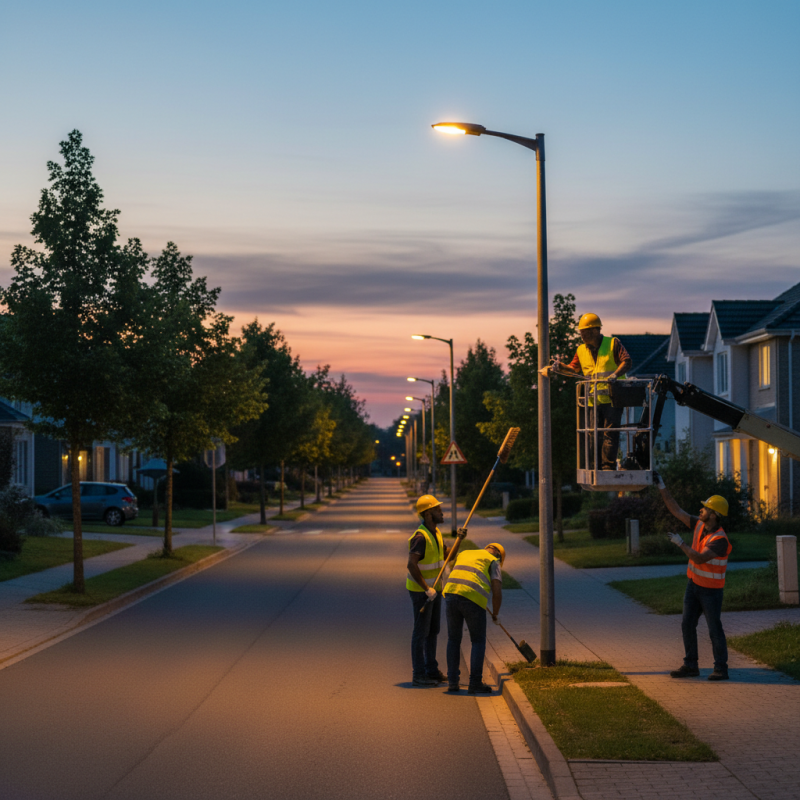
10 Essential Tips to Extend the Lifespan of Street Lights?

Understanding Street Light Components for Extended Lifespan

Street lights are crucial for urban safety and aesthetics. Understanding their components can significantly extend their lifespan. Key elements include LED bulbs, photocells, and housing materials. LED bulbs offer energy efficiency and heat management. They operate without excessive heat, reducing wear on fixtures. Photocells help optimize energy use by activating lights at dusk. Properly functioning sensors can prevent unnecessary burn time and maintenance.

The housing material also matters. Corrosion-resistant materials, such as aluminum or galvanized steel, can withstand harsh weather. Well-sealed fixtures protect internal components from moisture and dirt. Regular inspections can catch issues early. A small crack in the housing can lead to water damage.

Neglecting routine maintenance can lead to costly repairs later. Failing to replace burnt-out bulbs promptly allows further damage to the fixture. It is important to prioritize timely checks and replacements. This proactive approach ensures street lights remain functional longer. Using the right components and maintaining them properly creates a reliable lighting system.

Regular Maintenance Practices for Optimal Street Light Performance

Maintaining street lights is crucial for safe urban navigation. Regular checks ensure optimal performance and safety. A well-maintained street light enhances visibility, reducing accidents and crime rates.

Routine visual inspections can identify issues early. Look for broken bulbs or signs of wear. Clean the fixtures to improve light output. Dust and dirt can diminish brightness, making streets less safe. It is important to use appropriate cleaning agents to avoid damage.

Another tip is to schedule regular maintenance based on usage. In high-traffic areas, inspections might be needed more frequently. Document findings to track performance over time. This allows for informed decisions on when to replace or repair fixtures. Adjusting maintenance frequency can extend the lifespan. Aim for consistency; every small action counts toward greater efficiency.

10 Essential Tips to Extend the Lifespan of Street Lights

Tip Number Maintenance Tip Frequency Benefits
1 Regular bulb inspections Monthly Identifies burnt-out bulbs early
2 Clean fixtures and lenses Bi-annually Improves light output
3 Check for corrosion Quarterly Prevents structural damage
4 Inspect electrical connections Annually Ensures reliable power supply
5 Test timers and photocells Semi-annually Optimizes energy usage
6 Address environmental factors As needed Minimizes damage from elements
7 Replace damaged parts immediately As needed Ensures safety and functionality
8 Monitor light levels Weekly Ensures consistent illumination
9 Upgrade to LED technology As technology evolves Reduces energy consumption
10 Engage community feedback Continuous Improves public satisfaction

Upgrading to Energy-Efficient Lighting Solutions

Upgrading to energy-efficient lighting solutions is crucial for the longevity of street lights. Traditional lighting often consumes excessive energy and incurs high maintenance costs. By switching to LED technology, cities can significantly reduce their energy consumption. LED lights last longer and require less frequent replacements. This not only saves money but also reduces labor costs associated with maintenance.

In addition to LEDs, smart lighting systems can enhance efficiency. Sensors can detect motion and adjust brightness accordingly. This approach conserves energy during low traffic periods. However, integrating smart technology raises challenges regarding installation and reliability. Some areas may lack the infrastructure to support these advancements. Despite these hurdles, the transition to energy-efficient solutions is a step toward sustainability.

Moreover, cities often overlook the importance of regular maintenance. Even energy-efficient systems need checks to function optimally. Neglecting this can lead to decreased performance over time. Addressing these practical aspects ensures that street lights remain reliable and effective, ultimately benefiting the community. Balancing innovation with existing infrastructure presents both opportunities and challenges.

The Importance of Weather Resistance in Street Light Design

Weather resistance is a critical factor in the design of street lights. Harsh environmental conditions can significantly shorten their operational lifespan. A study by the National Lighting Bureau indicates that poorly designed street lights can fail within only a few years due to weather damage. Ensuring robust materials are used helps combat issues like corrosion and moisture penetration.

For example, street lights installed in coastal areas face salt air exposure. This can cause rapid degradation if not adequately addressed. A report from the American Society of Civil Engineers highlights that using weather-resistant coatings can increase equipment longevity by up to 25%. Regular maintenance is equally important. Ignoring minor issues can lead to extensive damage over time, resulting in costly repairs.

Furthermore, temperature fluctuations pose challenges. Extreme heat can impact the electronic components, while freezing temperatures may affect wiring integrity. Designing for these variances isn't easy. Many designs overlook these factors, leading to premature failures. Investment in research to improve weather resilience in street light design is essential for urban infrastructure. It’s a complex issue, yet achievable with the right focus.

Implementing Smart Technology for Proactive Street Light Management

Implementing smart technology can greatly enhance street light management. Sensors and IoT devices can monitor street lights in real-time. They provide data on energy usage and lamp malfunctions. This proactive approach helps identify issues before they become serious. For instance, a street light that flickers can be promptly repaired, preventing darkness in critical areas.

Additionally, smart systems can optimize energy consumption. Using adaptive lighting based on traffic patterns saves energy and extends the lifespan of bulbs. For example, lights can dim during low traffic hours. This not only reduces energy costs but also lessens wear on the equipment. Such strategies emphasize sustainability and efficiency in urban planning.

However, the integration of technology is not without challenges. Initial setup costs may be high. City officials must weigh the long-term gains against upfront expenses. Regular maintenance of smart systems is also crucial. If not properly monitored, technology can fail, leading to gaps in street lighting. Balancing these factors requires careful consideration and planning.

10 Essential Tips to Extend the Lifespan of Street Lights

This chart illustrates the impact of implementing different proactive street light management techniques on the lifespan of street lights. The data represents the estimated lifespan extension in years when applying specific technologies and practices.

FAQS

: Why should cities upgrade to energy-efficient lighting?

: Energy-efficient lighting reduces energy consumption and maintenance costs. It also prolongs the lifespan of street lights.

How do LED lights benefit street lighting?

LED lights last longer and require fewer replacements. They save money and reduce labor costs.

What role do smart lighting systems play?

Smart systems use sensors to adjust brightness. They save energy during low-traffic hours but require stable infrastructure.

What challenges do cities face when integrating smart technology?

Installation and reliability can be challenging. Some areas lack the infrastructure needed for smart systems.

Why is regular maintenance necessary for energy-efficient systems?

Even efficient systems need checks. Neglect can decrease performance over time and lead to higher repair costs.

How does weather resistance impact street light design?

Harsh conditions can shorten operational lifespan. Using robust materials helps combat issues like corrosion.

What happens to street lights in coastal areas?

Salt air exposure can cause rapid degradation. Weather-resistant coatings are essential for their longevity.

How do temperature fluctuations affect street lights?

Extreme heat can damage electronic components; freezing temperatures may impact wiring. These factors should be designed for better durability.

What advantages do smart systems provide for energy management?

They monitor usage and malfunctions in real-time. Adaptive lighting optimizes energy use based on traffic patterns.

What are the financial considerations of implementing smart technology?

Initial setup costs can be high. Cities must balance long-term gains against upfront expenses carefully.

Conclusion

To ensure street lights provide longer service life, it's essential to understand their key components, such as bulbs, fixtures, and power sources. Regular maintenance practices, including routine inspections and timely repairs, play a crucial role in optimizing their performance. Upgrading to energy-efficient lighting solutions not only reduces energy consumption but also extends the overall lifespan of the lights.

Additionally, selecting designs that emphasize weather resistance can protect lighting systems from harsh environmental conditions. Implementing smart technology offers a proactive approach to street light management, allowing for real-time monitoring and quick response to any issues. In summary, by following these tips on how to maintain street lights for longer service life, communities can ensure safety and efficiency on their roadways.

Charlotte

Charlotte

Charlotte is a seasoned marketing professional with a deep understanding of the company's portfolio and a passion for elevating its presence in the market. With a keen eye for detail and a commitment to excellence, she ensures that our professional blog is regularly updated with insightful articles......