Street lighting plays a critical role in urban safety and comfort. However, many do not consider what factors affect the brightness of street lighting. Understanding these factors can help cities improve their lighting systems.
The brightness of street lights hinges on several key elements. The type of bulb used can greatly influence luminosity. LED lights, for example, offer higher brightness and efficiency compared to traditional bulbs. Light distribution and fixture design also play a major role. Poor design can lead to uneven lighting, leaving certain areas dim.
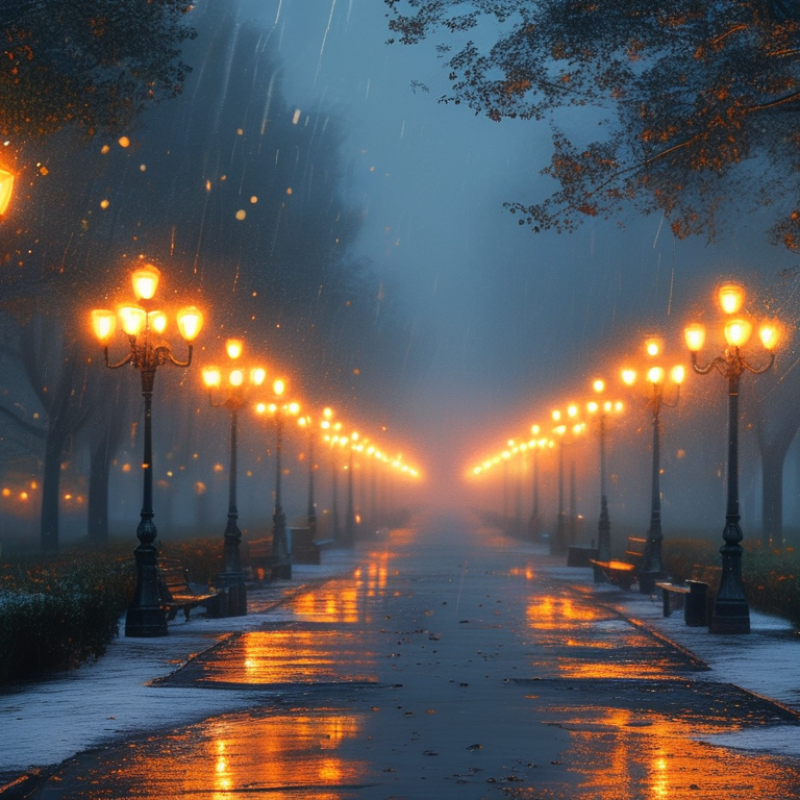
Environmental conditions can also impact perceived brightness. For instance, fog, rain, or snow can reduce visibility. Finally, installation height and spacing between lights are crucial. If lights are too far apart or too low, they may fail to provide adequate illumination. By considering these factors, cities can enhance public safety and foster a welcoming atmosphere at night.
Street lighting plays a crucial role in urban safety and aesthetics. Different lighting technologies offer varying brightness levels. Understanding these can help cities choose the best options for their needs.
LED lights are popular for their energy efficiency. They provide high brightness with low energy consumption. This technology can last over 25,000 hours, reducing both maintenance costs and trash. However, the initial investment can be high for some municipalities.
Sodium vapor lamps deliver a warm glow and are common in street settings. They have a longer lifespan than traditional incandescent bulbs but emit less natural color. Some people find this color temperature harsh at night.
Tips: When selecting street lighting, consider the location. Bright lights may not be needed in quiet residential areas. Similarly, brighter lights may suit active commercial zones. Balance aesthetics with functionality for optimal results. Additionally, community input can guide decisions on brightness levels that suit local needs.
Street lighting brightness is significantly influenced by environmental conditions. Factors like weather, air quality, and surrounding structures can alter how well street lights perform. For instance, fog or heavy rain can diffuse light, making streets seem darker. Urban areas may experience light pollution, which can also affect perceived brightness.
Temperature is another critical component. Extreme cold can affect the efficiency of some lighting technologies. Cooler temperatures often reduce light output, while warmer conditions may enhance it. Municipalities should regularly assess their lighting systems and adjust for seasonal changes.
Tips for improving street lighting include regular maintenance checks. Ensure fixtures are clean and properly aligned to maximize light distribution. Using adaptive lighting technology can help adjust brightness based on real-time environmental factors. Community feedback can also provide valuable insights into areas that may need more attention.
| Factor | Description | Impact Level |
|---|---|---|
| Weather Conditions | Rain, fog, or snow can reduce visibility, affecting brightness perception. | High |
| Type of Light Source | Different light sources (LED, HPS, etc.) emit varying light intensities. | Medium |
| Pollution Levels | Airborne pollutants can scatter light, decreasing brightness. | Medium |
| Distance from Light Source | Brightness perception decreases as distance from the light increases. | High |
| Surrounding Environment | Buildings and trees can obstruct light, affecting brightness levels. | Low |
The design of luminaires plays a crucial role in how light is distributed in urban environments. A well-designed luminaire can direct light where it is most needed, minimizing waste. When luminaires are placed too high or too low, the effectiveness of the light diminishes. This can lead to dark spots in certain areas, creating safety concerns for pedestrians and drivers alike.
Light intensity is also significantly shaped by luminaire design. Factors such as the type of reflector, lens, and light source all influence the overall brightness. High-quality reflectors can enhance the light output, while poor designs can result in uneven illumination. Achieving uniform light distribution is a constant challenge that urban planners must tackle. They often have to balance aesthetics with functionality, ensuring streets are not only bright but also visually pleasing.
Different regions have varied needs. For example, residential areas may prioritize warm, inviting light, while commercial districts often demand brighter, cooler tones. These choices are influenced by societal norms and safety requirements. It's essential for designers to think critically about these aspects. Ignoring local contexts can lead to inappropriate lighting solutions that don't serve the community effectively.
Urban planning plays a crucial role in optimizing street lighting brightness. Effective street lighting not only enhances aesthetics but also improves safety and accessibility. Reports indicate that well-planned lighting can reduce crime by up to 40%. Proper placement of fixtures ensures that areas are evenly lit, reducing dark spots that may deter pedestrians.
In cities, street design impacts lighting efficiency. Wider roadways may require different lighting strategies than narrow streets. A 2021 study revealed that communities with well-defined pathways and light placements saw a 30% increase in pedestrian traffic. This highlights the importance of integrating urban planning with lighting design.
Additionally, public input should inform lighting strategies. Surveys can reveal areas of concern, emphasizing specific community needs. While some areas may call for brighter lights, others might prefer softer ambient lighting. A balanced approach can enhance community trust and engagement in urban planning initiatives. Inevitably, reflecting on these varied preferences can lead to better street lighting solutions.
Street lighting plays a critical role in urban safety and aesthetics. Energy efficiency significantly impacts the performance of street lighting systems. According to the U.S. Department of Energy, streetlights consume nearly 35% of public energy costs. The right choice of lighting technology can drastically alter these expenses.
Using LED technology, cities can reduce energy consumption by up to 50%. However, many municipalities are still relying on outdated systems. This leads to higher energy bills and poor lighting quality. The International Dark-Sky Association has noted that inadequate street lighting can create danger zones. Ensuring that lighting is both bright and energy-efficient is crucial.
Tip: Regular maintenance checks can maximize efficiency. Replace bulbs that are dimming to maintain optimum brightness. Consider using smart sensors that adjust brightness according to traffic flow. This not only saves energy but enhances safety.
Cities must also analyze the placement of street lights. Urban areas with high pedestrian traffic need brighter lighting. However, in quieter areas, overly bright lights can create light pollution. Striking a balance is essential for both safety and reducing unnecessary energy waste.
Tip: Engage with community feedback on lighting preferences. This can reveal areas that might need better illumination or adjustments in brightness. Listening to residents ensures that resources are allocated effectively.
: Common types include LED lights and sodium vapor lamps. Each offers different brightness levels and lifespans.
They are energy-efficient and last over 25,000 hours. This reduces maintenance costs significantly.
They provide less natural color and can create a harsh environment at night.
A well-designed luminaire directs light effectively, preventing dark spots. Poor designs can waste light.
It enhances safety and aesthetics, reducing crime and increasing pedestrian traffic in well-lit areas.
Location, community needs, and safety are key. Different areas may require brighter or softer lighting.
Surveys can highlight preferences for brightness and ambience. This fosters trust and relevance in planning.
Ignoring local contexts can lead to inappropriate solutions that fail to meet community needs effectively.
If placed incorrectly, luminaires can create dark spots, diminishing safety and effectiveness for pedestrians and drivers.
Well-planned street lighting can reduce crime by up to 40%, enhancing community safety overall.
The brightness of street lighting is influenced by several key factors. First, the type of street lighting technologies used plays a significant role, as different systems such as LED, sodium vapor, and metal halide emit varying levels of brightness. Additionally, environmental conditions, including weather conditions and surrounding urban landscape, can affect light distribution and visibility.
Furthermore, the design of luminaires, including factors like fixture placement and shape, greatly impacts light intensity and distribution. Urban planning is also crucial; strategic placement and zoning can optimize lighting solutions to enhance brightness where needed most. Lastly, energy efficiency measures contribute to overall street lighting performance, ensuring sustained brightness while minimizing power consumption. Understanding what factors affect the brightness of street lighting is essential for creating safe and effective urban environments.

Star Lighting