Why Choose High Temperature Resistant Street Lights for Your Project?

Time:2026-03-30 Author:Henry
0%

When planning a street lighting project, one crucial decision involves the selection of the right type of lights. High Temperature Resistant Street Lights offer significant advantages in various environments. These lights are specifically designed to withstand extreme temperatures, ensuring durability and longevity. This is particularly vital in regions prone to high heat.

Utilizing High Temperature Resistant Street Lights can lead to cost savings in maintenance. Traditional lights may fail more often under intense heat, increasing both repair and replacement expenses. Additionally, these special lights maintain their brightness levels, ensuring safer streets even in adverse conditions. Reliability is a key factor in urban planning, and investing in these lights can enhance public safety.

However, understanding the specific needs of your project is essential. Not every setting may require high-temperature resistance, leading to potential overspending. Careful assessment and planning can help maximize the benefits these lights offer while addressing any shortcomings in your project goals.
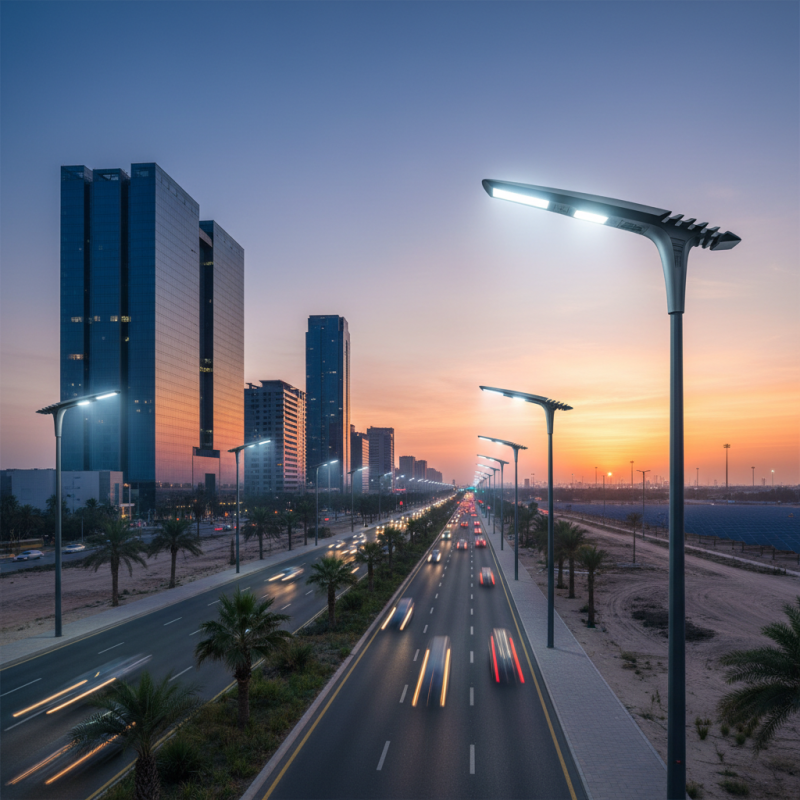
Why Choose High Temperature Resistant Street Lights for Your Project?

Benefits of High Temperature Resistant Street Lights for Urban Areas

High temperature resistant street lights offer numerous advantages for urban areas. They are designed to withstand extreme heat, making them ideal for cities with soaring temperatures. During hot summers, traditional lighting fixtures may fail or deteriorate faster. This can lead to increased maintenance costs and intermittent blackouts. High temperature resistant lighting reduces these risks, ensuring reliability and longevity.

In densely populated urban environments, consistent lighting is crucial for safety. High temperature resistant street lights provide bright, even illumination that enhances visibility. They can help deter crime and promote pedestrian safety. Additionally, these lights typically incorporate energy-efficient technologies, which lower utility bills.

Considerations for installation exist too. While these lights may have a higher upfront cost, the long-term savings on repairs and energy use often outweigh the initial investment. However, proper planning is necessary to ensure optimal placement and performance. Urban planners must evaluate the specific needs of each area, as blanket solutions might not address local challenges effectively.

Durability and Longevity of High Temperature Resistant Fixtures

High temperature resistant street lights are essential for projects in extreme conditions. These fixtures are designed to withstanding harsh climates. They can endure high temperatures without sacrificing performance. This durability ensures consistent lighting, even in challenging environments.

The longevity of high temperature resistant fixtures is notable. They often have a longer lifespan compared to standard options. Many of these lights incorporate robust materials and advanced designs. Such features help prevent wear and tear from heat. This is crucial in areas where temperatures fluctuate significantly.

Choosing these lighting solutions can reduce maintenance costs. Fewer replacements mean lower long-term expenses. However, some may question their initial investment. It's important to weigh the upfront costs against potential savings. Opting for durable street lights may lead to better outcomes in the long run. Thoughtful choices can make a difference.

Benefits of High Temperature Resistant Street Lights

The chart above illustrates the key benefits of high temperature resistant street lights, rated on a scale from 1 to 10. Durability stands out as the highest-rated benefit, followed by longevity and energy efficiency. These ratings reflect the importance of selecting the right lighting fixtures for projects to ensure long-term performance and cost-effectiveness.

Energy Efficiency and Cost Savings with High Temperature Lights

High temperature resistant street lights are increasingly favored for urban projects. These lights provide energy efficiency, which translates into significant cost savings. Reports from the U.S. Department of Energy indicate that LED street lighting can save cities up to 50% on energy costs compared to traditional lighting solutions. This shift not only conserves energy but also lowers monthly utility bills for municipalities.

In regions with extreme temperatures, using high temperature resistant lights is crucial. These lights endure harsh weather conditions, resulting in longer lifespans. According to the International Energy Agency, proper heat management can extend the lifespan of street lights up to 25% more than standard options. This reduced need for replacements means less maintenance expenditure over time.

Tip: When selecting street lights, consider both energy consumption and durability ratings. Make sure to look for lights that have passed rigorous heat resistance tests. This approach ensures that you invest wisely for the long term. Keeping abreast of emerging technologies can help you choose the best options for your project. It's essential to reflect on the overall impact these lights have on urban environments and energy sustainability.

Installation and Maintenance Considerations for High Temperature Street Lights

High temperature resistant street lights offer numerous benefits, especially when considering installation and maintenance. When planning for installation, the environment plays a crucial role. Extreme heat can affect materials and electronics. Selecting the right fixtures can ensure longevity even in harsh conditions.

Tips: Always check the temperature ratings of the fixtures. Verify that they can withstand high heat. This simple step can prevent early failures.

Maintenance is another key aspect. High temperature street lights may require more frequent checks. Over time, heat can cause wear and tear on the equipment. Regular inspections can identify issues before they escalate.

Tips: Keep a maintenance schedule to monitor performance. Consider using thermal imaging to detect overheating components. This proactive approach can save costs in the long run.

Environmental Impact of Using High Temperature Resistant Lighting Solutions

High temperature resistant lighting solutions present a significant environmental advantage. They are designed to endure extreme heat without compromising efficiency. This resilience leads to lower failure rates and reduced waste. When street lights last longer, fewer replacements mean less material consumption. It also translates to fewer trips for maintenance teams, which cuts down on fuel usage and emissions.

Using high temperature resistant lights can also decrease energy use. These lights often employ advanced technology, making them more efficient. This efficiency not only lowers electricity bills but also lessens the overall carbon footprint. Moreover, they can work optimally in desert or tropical climates, where heat can shorten the lifespan of standard lighting. However, the initial investment in high temperature resistant lighting can be high. It's essential to weigh this against long-term savings and environmental benefits.

Community perception is another factor to consider. While many advocate for eco-friendly solutions, some citizens may be hesitant to embrace new technologies. Therefore, education on the benefits is vital. Promoting the environmental impacts of these lights can help gain public trust. Transparency about the materials used and the energy savings can also mitigate skepticism.

Why Choose High Temperature Resistant Street Lights for Your Project?

Dimension High Temperature Resistant Lights Standard Lights
Operating Temperature Range -40°C to 65°C -20°C to 50°C
Lifespan > 50,000 hours 20,000 hours
Energy Efficiency (LM/W) 100-150 LM/W 70-90 LM/W
Environmental Impact Reduced Carbon Footprint Higher Emissions
Maintenance Frequency Every 10 years Every 3 years
Cost Over Time Lower Total Cost of Ownership Higher Total Cost of Ownership

FAQS

: What are the main benefits of high temperature resistant street lights?

: They withstand extreme heat, ensuring reliability and longevity. This reduces maintenance costs and prevents blackouts.

How do these street lights enhance safety in urban areas?

They provide bright, even illumination, improving visibility. This deters crime and promotes pedestrian safety in dense environments.

Are these lights cost-effective in the long run?

Although they have a higher initial cost, long-term savings on repairs and energy often justify the investment.

What environmental benefits do high temperature resistant lights offer?

They have lower failure rates, reducing waste and material consumption. This results in fewer replacement trips, saving fuel and reducing emissions.

How do these lights impact energy consumption?

They utilize advanced technology for greater efficiency, which lowers electricity bills and decreases the overall carbon footprint.

What considerations are needed for installing these lights?

Proper planning for placement is crucial. Each area has unique needs, making blanket solutions less effective.

How can community perceptions affect the adoption of new lighting technologies?

Some citizens may resist change. Educating the public on benefits and transparency can help build trust and acceptance.

What challenges exist with high temperature resistant lighting?

The initial investment is high. Balancing costs with long-term benefits requires careful evaluation and consideration.

Can these lights perform well in hot climates?

Yes, they are designed to work optimally in desert and tropical conditions, where standard lighting fails sooner.

Conclusion

High Temperature Resistant Street Lights are becoming increasingly essential for urban environments, providing numerous benefits that enhance both functionality and sustainability. These fixtures are designed to withstand extreme temperatures, resulting in enhanced durability and longevity compared to traditional lighting solutions. This resilience not only extends the lifespan of the lights but also reduces the frequency and costs associated with maintenance and replacements.

Moreover, High Temperature Resistant Street Lights promote energy efficiency, leading to significant cost savings over time. Their advanced technology ensures optimal illumination while minimizing energy consumption, ultimately reducing the environmental impact associated with urban lighting. For project planners, considering installation and maintenance factors is crucial, as these lights typically require less frequent servicing, further contributing to overall project efficiency. In summary, high temperature resistant lighting solutions present a wise investment for modern urban infrastructure.

Henry

Henry

Henry is a dedicated marketing professional with a profound expertise in the company's offerings. With years of experience in the industry, he possesses an impressive understanding of the market dynamics and consumer behaviors that drive success. Henry is committed to sharing his insights through......