The question "What is the best height for street light poles?" is crucial for urban planning and safety. According to a recent report by the Illuminating Engineering Society, street light poles typically range from 10 to 30 feet in height. The right height ensures effective illumination while considering factors like road type and surrounding structures.
In urban environments, taller poles may be necessary to avoid light pollution and provide adequate coverage. Studies show that a height of about 15 to 20 feet is commonly optimal for residential streets. This height balances safety and aesthetics, preventing glare while ensuring sufficient visibility. However, factors like installation environment and light type must also be considered, leading to varied recommendations.
Finding the perfect balance is challenging. Sometimes, a pole that looks good may not provide sufficient light. Buyers must assess their specific needs and possible environmental impacts. This reflection can lead to better lighting solutions and improved safety for pedestrians and drivers alike.
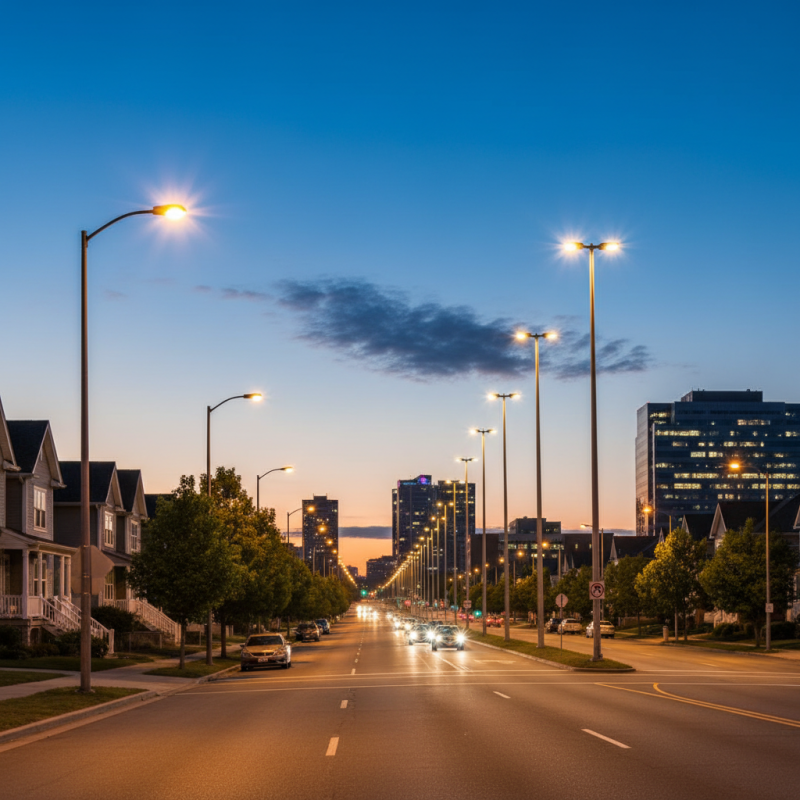
When determining the optimal height for street light poles, several factors come into play. The height should allow for adequate illumination while minimizing light pollution. Typically, poles range from 10 to 30 feet in height. Street width dictates this selection. Wider streets often require taller poles. However, overcrowding light fixtures can lead to unwanted glare and shadows.
Another significant influence is the purpose of the lighting. Residential areas may benefit from lower poles that provide softer lighting. In contrast, highways might require higher poles for broader illumination coverage. Community safety is paramount, and visibility plays a key role. Designers must balance light distribution with aesthetic considerations.
Local regulations and urban design can also shape pole height. Some municipalities provide guidelines based on environmental impact and safety standards. Reflecting on these aspects can lead to a better understanding of community needs. Buyers should consider these factors carefully to ensure effective lighting solutions and sustainable urban planning.
The chart below illustrates the optimal height ranges for street light poles based on various factors such as road type, urban density, and light distribution needs. These heights are crucial for ensuring adequate illumination while minimizing light pollution.
When considering street light pole height, urban and rural settings play a crucial role. In urban areas, a height of 14 to 18 feet is often recommended. This height allows for adequate illumination without causing excessive glare for drivers. The proximity of tall buildings can impact light distribution, making it essential to balance height and brightness.
For rural areas, street lights can be taller, typically between 18 to 24 feet. This increased height helps in illuminating wider spaces, such as long roads and highways. Fewer obstacles in these environments can allow light to spread more evenly. However, there is a need to evaluate local wildlife and avoid disturbances, which can sometimes result from overly bright lights.
While these recommendations can guide buyers, every installation has unique challenges. Considering aspects like local regulations, landscaping, and community needs is vital. It’s not enough to simply select a standard height. A practical assessment of the surrounding area will ensure effective lighting. Balancing aesthetics and functionality can sometimes lead to conflicting decisions, reflecting the complexity of this important choice.
The height of street light poles plays a critical role in visibility and safety. Research suggests that poles should generally be between 12 to 30 feet high. This range ensures that the light adequately covers the area without excessive glare. According to a report by the Illuminating Engineering Society, proper lighting can reduce nighttime accidents by up to 50%. This data underscores the importance of selecting the right height for street lighting.
When lights are too low, they create uneven illumination. Shadows may conceal hazards, leading to accidents. Conversely, poles that are too high can cause light to scatter, reducing the intensity on the ground. A study from the National Highway Traffic Safety Administration highlighted that improper lighting contributes to over 30% of night-time vehicle accidents. Thus, finding a balance in pole height is crucial for ensuring safety for both pedestrians and drivers.
Many cities now calculate optimal heights based on specific urban needs. Factors such as road type, pedestrian traffic, and local crime rates influence these decisions. Trial and error often reveal unforeseen issues. For instance, lights placed too far apart may not provide sufficient coverage, leaving dark patches. Reflecting on these challenges helps in fine-tuning designs for better overall safety.
Installing street light poles involves various considerations that can impact their effectiveness and longevity. One key aspect is the choice of height. Poles that are too short may not provide adequate illumination. On the other hand, excessively tall poles can create shadows and may lead to maintenance challenges. Finding the right height is crucial for distributing light evenly.
Maintenance is equally important. Regular inspections help identify issues like burnt-out bulbs or corrosion. Neglecting these can result in higher costs over time. The materials used should also be durable to withstand weather conditions. Poor quality can lead to frequent repairs, diminishing the overall effectiveness of lighting.
Moreover, the placement of poles affects visibility. If they are too close together, they may lead to overlapping light zones. Conversely, if they are too far apart, dark spots may appear. Each location presents unique challenges, making a one-size-fits-all solution impractical. Buyers should reflect on these factors to choose wisely.
Choosing the optimal height for street light poles is essential for both energy efficiency and aesthetics. According to a study by the Illuminating Engineering Society (IES), street lights between 14 and 18 feet promote better visibility while minimizing light pollution. A height of about 16 feet often strikes a balance, ensuring a comfortable pedestrian experience and effective illumination of roadways.
The design of street lighting can also affect energy consumption. Reports suggest that properly spaced lights at the right height can reduce wattage needs by up to 30%. This efficiency can result in significant cost savings over time. However, some municipal projects overlook the importance of matching pole height to surrounding architecture. The aesthetic integration of lighting with the urban landscape is crucial for creating inviting public spaces.
While using taller poles may seem like a better option, it can lead to unintended shadows and dark areas. Reflecting on past projects can help avoid these pitfalls. Municipalities should prioritize community feedback to find the best height that meets both functional and visual goals. Reassessing past installations may reveal lessons about pole height that can improve future designs. Balancing energy efficiency and aesthetics requires thoughtful planning and community engagement.
: Several factors include street width, lighting purpose, and local regulations.
Poles usually range from 10 to 30 feet in height.
Different areas need different lighting. For example, highways need higher poles for better coverage.
Proper height can reduce nighttime accidents significantly. Too low or too high can lead to issues.
Low lights create shadows, while high lights may scatter light. Both cause uneven illumination.
Trial and error often reveal issues like dark patches. This needs addressing for better safety.
Factors like road type and traffic patterns help shape optimal heights for street lighting.
Yes, some municipalities have guidelines based on safety and environmental impact.
Assessing community needs and the balance of light distribution is key for effective solutions.
Reflection helps reveal unforeseen issues and improves overall safety and functionality.
When considering "What is the best height for street light poles," several factors come into play. The optimal height is influenced by the surrounding environment, including urban versus rural settings, where standard height recommendations can differ significantly. In urban settings, a height of around 12-14 feet is often effective, while rural areas may benefit from taller installations to cover wider spaces and enhance visibility.
Additionally, the height of street light poles directly impacts visibility and safety. Taller poles can provide better illumination over larger areas, reducing dark spots and potential hazards. However, installation and maintenance considerations, such as accessibility for repairs and energy efficiency, also dictate the choice of height. Ultimately, balancing aesthetics with functional requirements ensures that street lighting serves its purpose effectively while enhancing the overall look of the neighborhood.

Star Lighting