How Does Weather Impact the Performance of Street Lights?

Time:2026-05-28 Author:Madeline
0%

Street lights are crucial for urban safety and visibility, but weather conditions significantly impact their performance. According to a report by the International Lighting Commission, nearly 80% of street light outages can be attributed to extreme weather events. This raises the question, "How does weather affect street light performance?" Experts like Dr. Emily Hargrove, a leading researcher in smart lighting solutions, emphasize, “Environmental factors play a pivotal role in the functioning and reliability of street lighting systems.”

Rain, snow, and temperature fluctuations can lead to electrical malfunctions and failures in street lights. Water intrusion can corrode electrical components, while freezing temperatures may cause cracks in housing materials. Additionally, data from the National Weather Service indicates that wind speeds exceeding 30 mph can disrupt power supply, affecting overall street light functionality.

Despite advancements, the industry still faces challenges regarding weather resilience. Some municipal lighting systems are not designed to withstand harsh conditions. This inconsistency raises questions on reliability and accountability. The impact of weather on street light performance is an area deserving of further investigation to enhance urban infrastructure and ensure public safety.
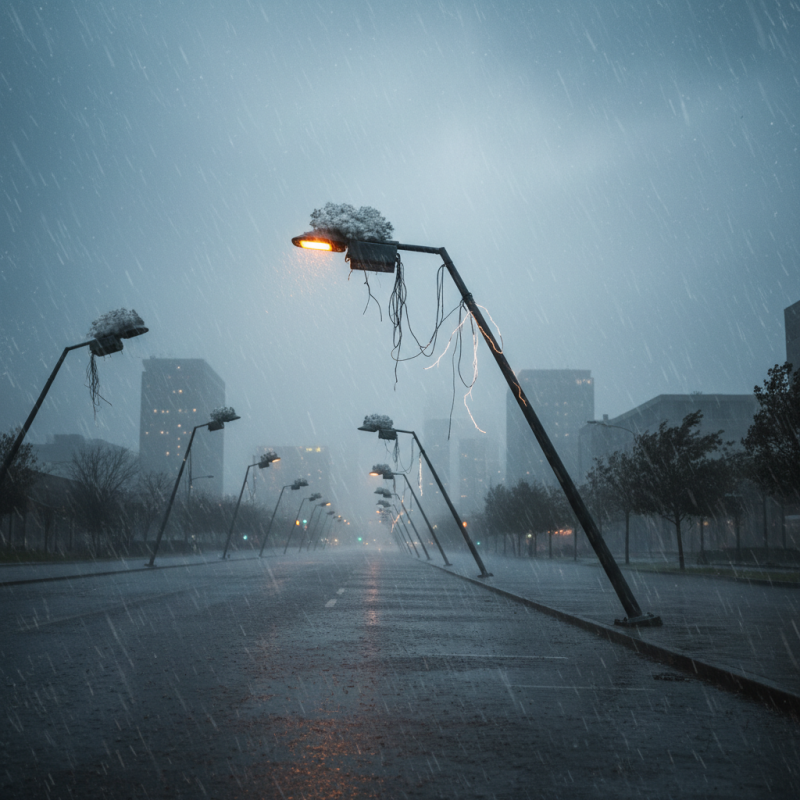
How Does Weather Impact the Performance of Street Lights?

Factors Influencing Street Light Performance in Various Weather Conditions

Weather has a significant impact on the performance of street lights. Various factors come into play when different weather conditions occur. For instance, rain and humidity often reduce visibility. This can lead to decreased brightness from street lights. A report from the National Highway Traffic Safety Administration indicates that visibility issues increase nighttime accidents by up to 25%.


Temperature also plays a critical role. Extremely cold weather can affect battery performance in solar-powered lights. A study by the American Society of Civil Engineers highlighted that temperatures below freezing can cut battery efficiency by nearly 30%. Moreover, heavy snow accumulation can block light sources, reducing illumination levels. Inadequate lighting during such conditions raises safety concerns for pedestrians and drivers alike.


Wind and storms can cause other challenges as well. High winds can sway or even topple poorly installed lights. Additionally, storms may cause power outages that disable street lighting entirely. As cities face these challenges, they must reconsider their street lighting strategies and installation procedures. This reflection could improve safety and efficacy in adverse weather.

Impact of Temperature Fluctuations on Street Light Efficiency

Temperature fluctuations can significantly affect street light efficiency. When temperatures drop, the performance of traditional lighting systems may decline. LED lights, however, are designed to operate effectively in colder conditions. They maintain brightness better than other technologies. Yet, extreme temperatures can still impact their lifespan.

Additionally, during heat waves, street lights can experience overheating. Components may degrade more quickly. This can lead to inconsistent lighting and increased energy consumption. Malfunctions may become more common. Regular maintenance must be prioritized to address these issues before they escalate.

Climate changes present new challenges. Cities need to adapt street lighting strategies. More reliable systems are crucial as weather patterns become less predictable. Innovative designs and materials should be considered to enhance resilience. Investing in quality lighting solutions is essential for urban planning.

Effects of Rain and Humidity on Street Light Functionality

Rain and humidity significantly affect the functionality of street lights. Wet conditions can cause electrical malfunctions. The moisture can enter junction boxes and fixtures. This may lead to flickering lights or complete outages. Such failures pose safety risks for pedestrians and drivers alike.

Tips for maintaining street lights in rainy areas include regular inspections. Check for cracks, seals, and other vulnerabilities. Installing moisture-resistant fixtures can also improve performance. Consider using smart technology to monitor light status remotely. This can alert maintenance teams to problems before they escalate.

Humidity can cause corrosion in metal components. Over time, this corrosion may diminish the effectiveness of street lights. It’s essential to use suitable materials to combat this issue. Inspect light poles and wires frequently. Regular maintenance can help extend the lifespan of street lighting systems. Let’s aim for safer streets with reliable lighting.

How Does Weather Impact the Performance of Street Lights?

This chart illustrates the impact of different weather conditions, specifically rain and humidity, on the functionality of street lights. The data represents the percentage of street lights that malfunction under varying levels of rain and humidity.

Role of Snow and Ice Accumulation in Street Light Output

Snow and ice accumulation can significantly affect the performance of street lights. When snow falls, it can cover the light fixtures. This prevents light from reaching the street. As a result, road conditions may worsen. Drivers and pedestrians may struggle to see clearly.

The impact of ice is also notable. Ice can create a layer that reflects or absorbs light. When this happens, brightness is reduced. Effective illumination becomes even more challenging. In areas with frequent snowfall, maintenance must become a priority. Regular inspections of street lights are essential. Clearing snow and ice can ensure proper performance.

Many municipalities face budget constraints. They may not address maintenance as needed. This lack of resources can lead to inadequate lighting during winter storms. The community suffers when visibility is poor. It's crucial to reevaluate the current maintenance practices. Enhancing street light performance in winter conditions should be a collective effort.

How Does Weather Impact the Performance of Street Lights? - Role of Snow and Ice Accumulation in Street Light Output

Weather Condition Impact on Light Output (%) Description
Clear 100% Optimal performance, maximum brightness.
Rain 90% Reduced visibility but minimal impact on output.
Snow (0-1 inch) 80% Light accumulation starting to obstruct light.
Snow (1-2 inches) 60% Noticeable decrease in light output due to snow cover.
Ice Accumulation 50% Severe obstruction of light, significant decrease in performance.
Heavy Snow (>2 inches) 30% Critical loss of light output, making streets dark.

Comparative Analysis of Street Light Technologies in Different Weather Events

Weather significantly influences street light performance. When rain, snow, or fog occurs, visibility drops. This lowers illumination efficiency from various technologies. A 2022 report from the International Energy Agency shows that LED street lights perform well in mild weather but struggle under heavy precipitation.

Different technologies react distinctively to weather changes. For example, traditional halogen lights might produce more heat, aiding in snow melting. However, their energy consumption remains high, impacting sustainability. Conversely, solar-powered lights face challenges during overcast conditions. A study noted a 30% efficiency decrease during winter months.

**Tip**: Regular maintenance is crucial. Clean lenses can enhance light output, especially after storms.

Another aspect is temperature fluctuation. Many LED lights dim in extreme cold. Yet, some newer models feature adaptive technology, ensuring consistent brightness. Data suggests these lights maintain efficiency even as temperatures drop to -20°C.

**Tip**: Consider using smart street lights. They adapt to weather changes, conserving energy where needed. Adjustments based on local climate patterns can optimize performance.

FAQS

: How does weather affect street light performance?

: Weather significantly impacts street light performance, with rain and humidity reducing visibility and brightness.

What issues can rain cause for street lights?

Rain can lead to electrical malfunctions, flickering lights, or total outages due to moisture infiltration.

How can maintenance improve street light functionality in wet areas?

Regular inspections are essential. Check for cracks and seals, and consider moisture-resistant fixtures.

What is the effect of temperature on solar-powered street lights?

Extremely cold temperatures can reduce battery efficiency by nearly 30%, affecting overall performance.

How does snow and ice affect street light output?

Snow covers fixtures, blocking light. Ice can reflect or absorb light, reducing brightness, complicating visibility.

Why is maintenance of street lights important in winter?

Regular inspections, snow clearing, and maintenance can ensure proper performance and enhance road safety.

What are the consequences of poor street light maintenance during winter?

Inadequate maintenance may lead to poor visibility, increasing risks for both pedestrians and drivers.

How can communities improve street lighting in harsh weather?

A collective effort is needed to reevaluate current maintenance practices and ensure reliable lighting.

Conclusion

The article "How Does Weather Impact the Performance of Street Lights?" explores the various factors that influence street light efficiency under different weather conditions. It discusses how temperature fluctuations can directly affect the electrical and mechanical properties of street lighting systems, leading to variations in performance. Additionally, the piece examines the effects of rain and humidity, which can impact light output and durability, as well as the challenges posed by snow and ice accumulation that may obstruct illumination.

Through a comparative analysis of different street light technologies, the article highlights how certain designs perform better in adverse weather events, showcasing the importance of selecting appropriate lighting solutions based on climatic conditions. Understanding "how does weather affect street light performance" is crucial for ensuring safety and efficiency in urban lighting systems, especially as changing weather patterns continue to influence infrastructure resilience.

Madeline

Madeline

Madeline is a dedicated marketing professional with a wealth of expertise in our company's core offerings. With a keen understanding of the industry, she brings a unique perspective to her role, consistently delivering high-quality content that highlights the superior aspects of our products. As......