Explore our top-tier architectural, municipal, and solar-integrated LED systems designed for harsh outdoor environments and engineered for maximum lumen output.
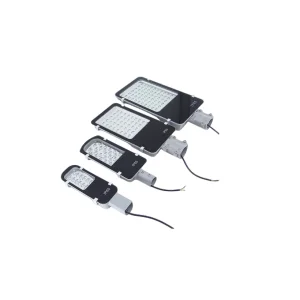
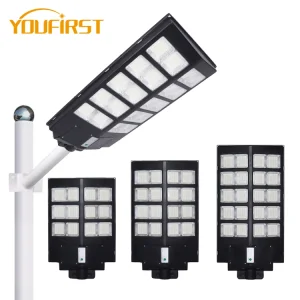
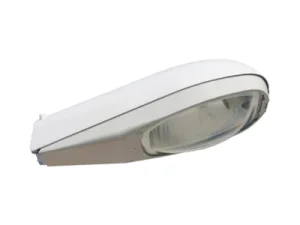
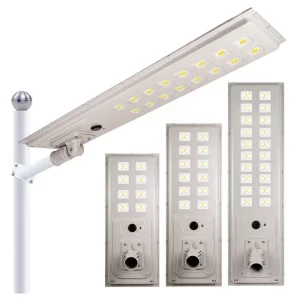
The global outdoor architectural and municipal lighting market is undergoing a seismic paradigm shift. Driven by municipal carbon-neutral mandates, smart city initiatives, and the critical need for operational efficiency, conventional high-intensity discharge (HID) and high-pressure sodium (HPS) systems are rapidly being phased out. Modern solid-state lighting (SSL) technology, particularly architectural LED lights and integrated solar-powered street lighting networks, has emerged as the definitive standard for urban developers, civil contractors, and electrical design consultants worldwide.
According to international industrial research data, architectural and roadway lighting represents approximately 22% of global municipal energy expenses. The installation of high-efficacy systems (achieving 180 to 220 lumens per watt) combined with adaptive smart control nodes can yield energy savings of up to 75% compared to heritage systems. This shift is not merely about replacing lamps; it involves rebuilding municipal infrastructure with smart components capable of dynamic dimming, real-time diagnostic reporting, and environmental sensing.
Furthermore, the adoption of green building certification standards such as LEED, WELL, and the Dark Sky Initiative has forced architects and urban lighting designers to pay extreme attention to photometrical metrics. Controlled beam distributions, minimum light spill, zero upward light output ratios (ULOR), and optimized Color Rendering Index (CRI ≥ 80) are no longer elective specifications—they are baseline statutory requirements across North America, Europe, and developed Asia-Pacific zones.
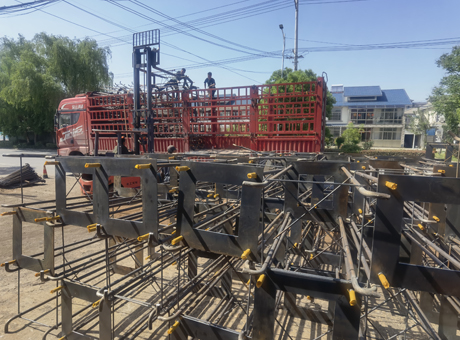
As a leading integrated urban lighting service provider, Jiangsu Star Lighting Technology Co., Ltd. represents the pinnacle of Chinese engineering capability. Far beyond basic light fixture assembly, our facility in Jiangsu integrates vertical manufacturing processes with structural and photometrical R&D. Our factory floor houses specialized, heavy-duty industrial equipment designed to guarantee long-term performance under the harshest operational conditions:
Our lighting products are tested for strict ingress protection (IP65 & IP66) and impact resistance (IK08 & IK10). Combined with CE, RoHS, and CB certifications, our equipment is fully qualified for international municipal projects, government bids, and high-spec industrial retrofits.
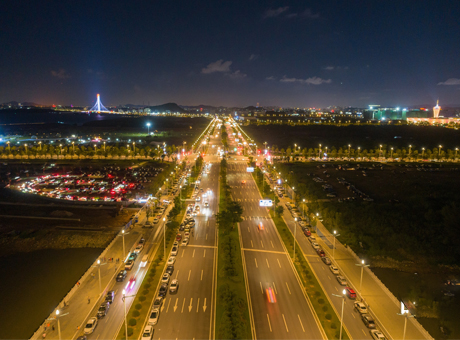
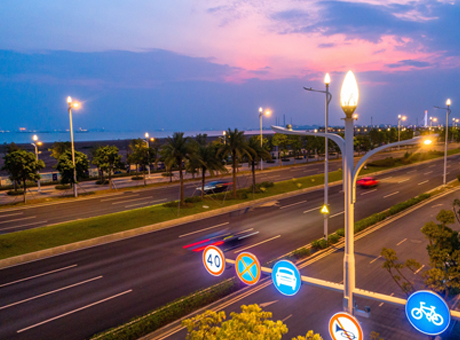
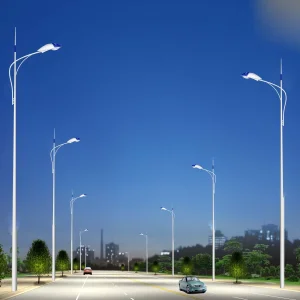
Our fixtures are engineered for diverse environments, ranging from highway networks and coastal walkways to specialized architectural landscaping and smart urban hubs.
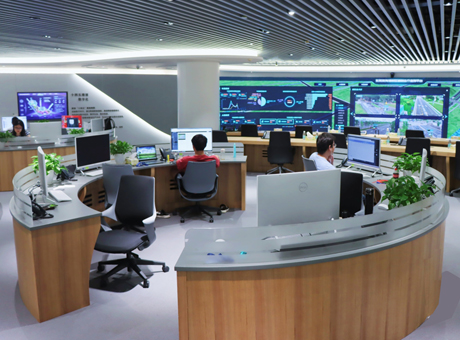
Modern architectural lighting has evolved far beyond basic static illumination. Today, it is an interactive element within the smart city ecosystem. As architectural lighting manufacturers, we focus on integrating multiple technologies to meet these evolving demands:
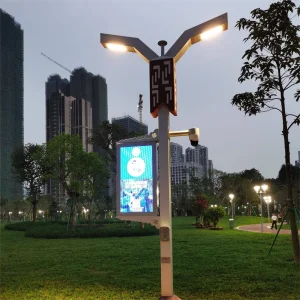
The modern smart street pole is no longer just a support for a light fixture. It acts as an interactive sensor node. By integrating smart pole technologies with high-efficacy LED lighting, municipalities can install 5G micro-base stations, public broadcast systems, surveillance cameras, environmental sensors (such as PM2.5, humidity, and wind speed meters), and emergency assistance systems. Our advanced smart poles are built on structural steels that can handle multiple components while maintaining safe wind load tolerances.
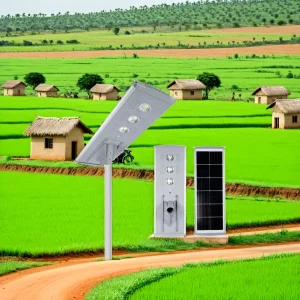
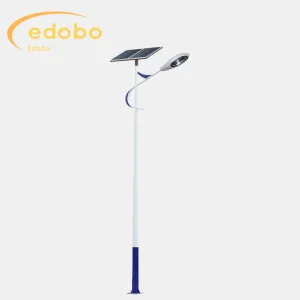
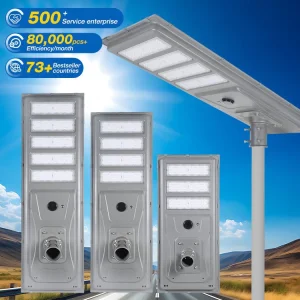
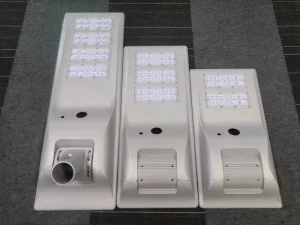
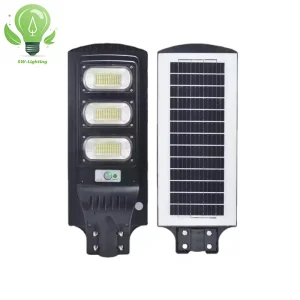
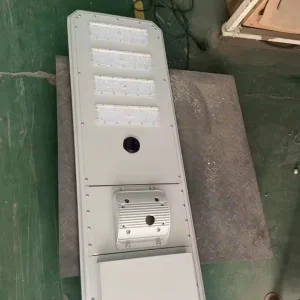
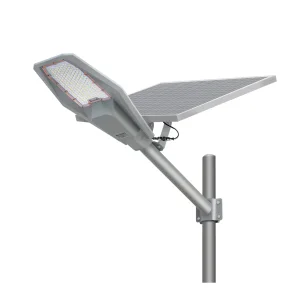
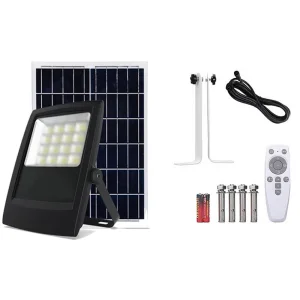
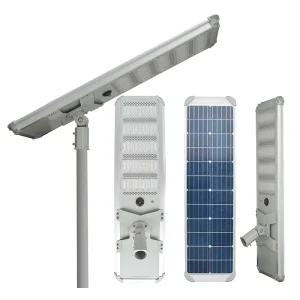
To achieve carbon neutrality, off-grid and hybrid solar-powered street lighting systems are crucial. Using monocrystalline solar panels with over 22% conversion efficiency, together with deep-cycle Lithium Iron Phosphate (LiFePO4) batteries, our systems store enough energy to run for 3 to 5 consecutive rainy days. Our controllers use Maximum Power Point Tracking (MPPT) algorithms to optimize charging efficiency, even in low-light conditions.
Integrated microwave and PIR motion sensors let fixtures dim automatically when roads are empty, saving energy and extending the components' lifespan. At the same time, custom optics with precise cutoff angles direct light only where it is needed, protecting natural habitats and complying with Dark Sky guidelines.
For procurement directors, electrical engineering consultants, and EPC contractors, choosing a manufacturing partner requires careful evaluation of key technical and commercial metrics. The following guide outlines the critical criteria to consider when sourcing architectural and roadway lighting:
Get professional technical answers regarding standard specifications, installation setups, and customization options for outdoor architectural lighting.
Our remaining line of commercial-grade fixtures, designed for architectural, solar, and smart-pole systems.
 Star Lighting