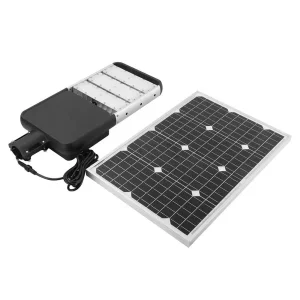
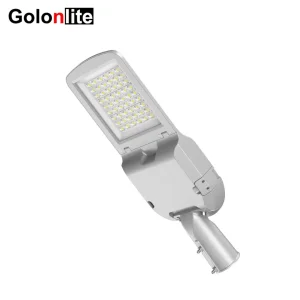
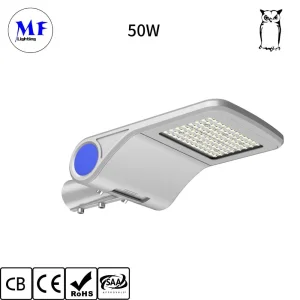
The global demand for high-performance outdoor flood lighting is undergoing a paradigm shift. As a premier Chinese manufacturer, Jiangsu Star Lighting Technology Co., Ltd. recognizes that lighting is no longer just about visibility; it is about intelligence, sustainability, and connectivity.
In the current industrial landscape, we are witnessing a rapid transition from traditional high-pressure sodium lamps to IoT-enabled LED floodlights. This transition is driven by stringent global energy regulations and the push towards "Smart City" infrastructure. Our products incorporate advanced thermal management and long-life drivers, ensuring that they meet the rigorous requirements of modern urban infrastructure, from massive industrial ports to residential community paths.
At the core of our manufacturing philosophy is the integration of CAD/3D design and automated CNC fabrication. We don't just export products; we provide complete lighting solutions.
We are an integrated urban lighting service provider specializing in R&D, design, manufacturing, and maintenance. Based on the principle of harmonious unity between lighting and the environment, our company delivers aesthetically pleasing and highly ornamental landscape and road lighting.
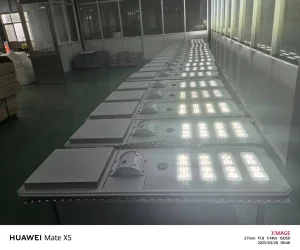
Our facility boasts a 1200-ton automatic CNC hydraulic machine and fully automatic spray molding assembly lines, keeping our production capabilities at the industry's leading edge. We invite global partners to collaborate with us to create a brighter, more efficient tomorrow.
China holds the world's most robust LED supply chain, enabling us to offer premium-grade components at a competitive price point, supported by deep R&D and rapid-scale manufacturing capabilities.
These ratings ensure complete protection against dust ingress and high-pressure water jets, which is critical for long-term reliability in harsh outdoor environments, significantly reducing maintenance costs.
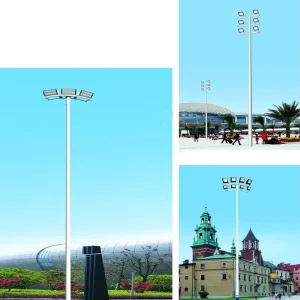
Yes. With our advanced CAD and 3D production capabilities, we specialize in customizing products—from high-mast lighting configurations to specialized smart-city poles—tailored to specific architectural needs.
Smart controls allow for adaptive lighting behaviors (dimming based on occupancy or schedule), which can reduce energy consumption by up to 40-60% compared to standard manual systems.
 Star Lighting