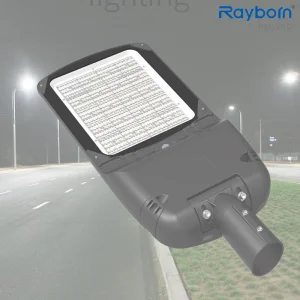
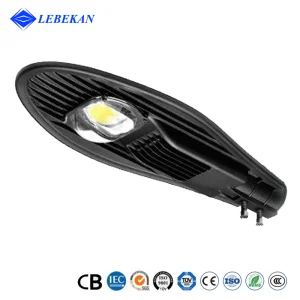
Premium outdoor lighting configurations optimized for Namibia's heavy logistical trade routes and intense solar radiation profiles.
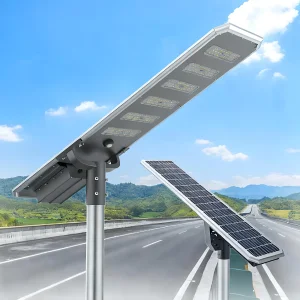
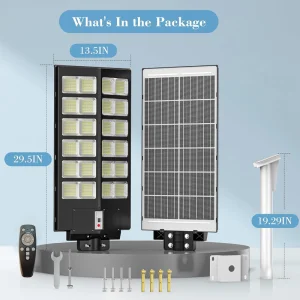
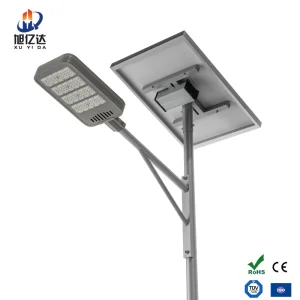
As a dry country with high solar potential, Namibia is actively modernizing its logistics infrastructure under the Harambee Prosperity Plan II. Key national networks like the B1 highway linking South Africa to Angola, and the B2 corridor linking the Port of Walvis Bay to the inland SADC regions, demand reliable highway lighting to ensure transit safety, mitigate cross-border logistical delays, and reduce traffic accidents.
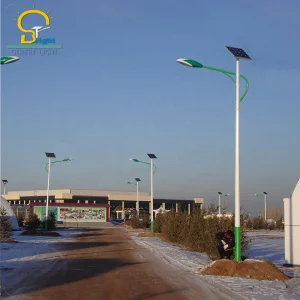
Integrating off-grid utility-grade solar streetlights has emerged as a national priority due to the distance between urban grids. In regions like the Erongo, Khomas, and Karas, connecting typical grid-powered HPS (High-Pressure Sodium) fixtures across hundreds of kilometers is financially and structurally unviable. Our high-efficiency systems bypass grid limitations, utilizing NamPower’s off-grid frameworks to deliver lighting autonomously.
Our highway streetlights are engineered specifically for the atmospheric demands of Sub-Saharan Africa:
Guaranteed Sand & Dust Defense
Extended Lifespan Assurance
Older systems utilized lead-acid or gel batteries buried underground, which suffered from performance drops due to soil heating and deep discharges. Star Lighting systems leverage LiFePO4 (Lithium Iron Phosphate) cell configurations. Integrated directly on the pole inside ventilated brackets, these batteries operate safely within a wide temperature range, delivering over 3,000 charge cycles at 80% Depth of Discharge (DoD).
Our smart energy management is driven by MPPT (Maximum Power Point Tracking) controllers. By tracking changing light angles, these controllers boost solar conversion efficiency by up to 30% compared to traditional PWM systems. The integration of dusk-to-dawn dimming profiles ensures light output remains stable even during extended rainy spells or sand haze cover.
For municipal authorities and highway developers in Namibia, remote monitoring can reduce operating expenses. Star Lighting products support NB-IoT, GPRS, and LoRaWAN smart node additions:
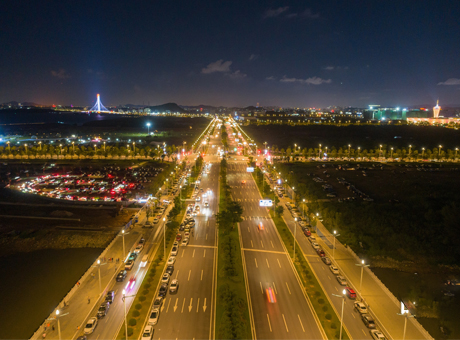
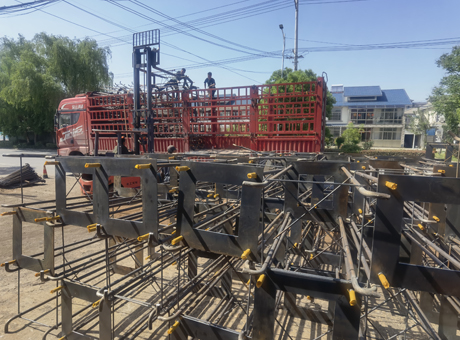
Operating out of our advanced manufacturing facility, Jiangsu Star Lighting Technology Co., Ltd. integrates product development, precision engineering, and quality control. We utilize heavy manufacturing machinery, including a 1,200-ton CNC automatic hydraulic bending machine capable of shaping 16-meter poles in a single pass. This ensures our highway poles are free from structural weak spots, offering high wind resistance.
Our automation workflow includes parallel CNC tube welding machines and two automated powder coating application lines. Our mechanical and optical designs are generated via custom CAD/3D simulations, ensuring precise component alignment before fabrication. With quality control testing facilities and a complete domestic supply chain, we offer reliable delivery timelines to Namibia's coastal and dry inland hubs.
Our high-intensity, weatherproof structures are designed to perform reliably across diverse settings, from coastal logistics yards to desert highway corridors.
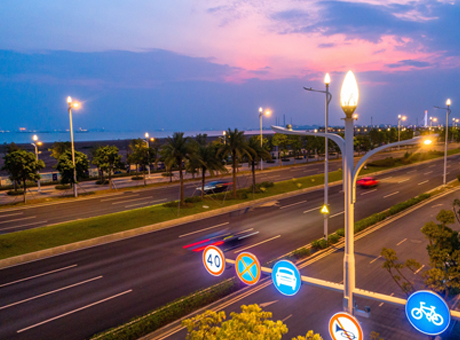
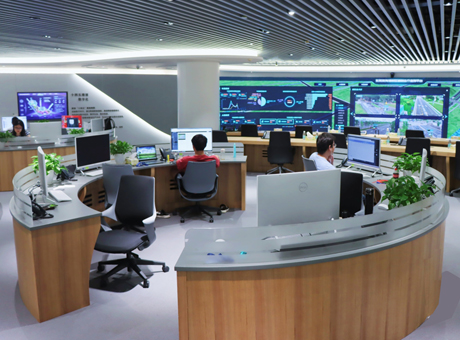
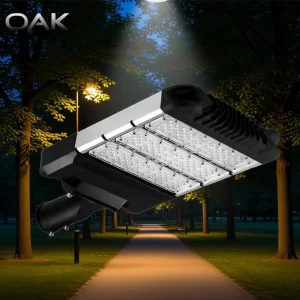
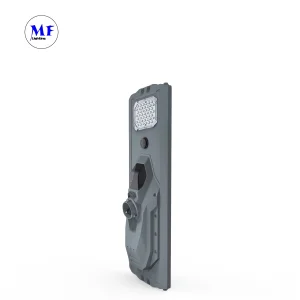
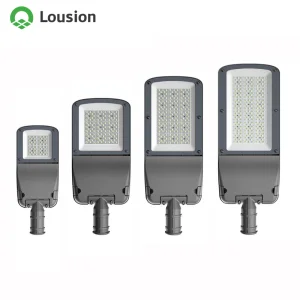
Browse our full range of certified high-wattage street lamps, integrated solar lights, and die-cast luminaires designed for public works.
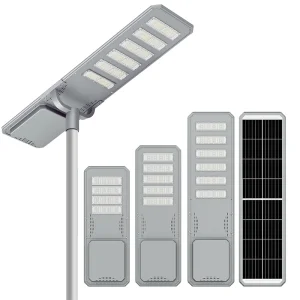
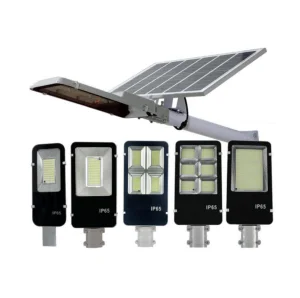
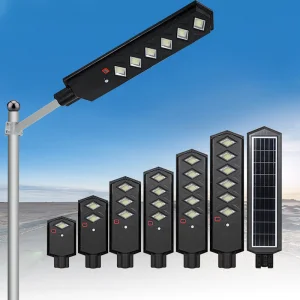
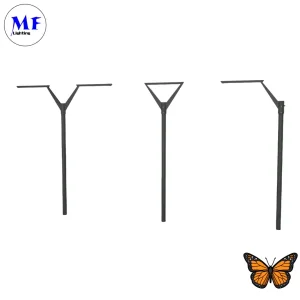
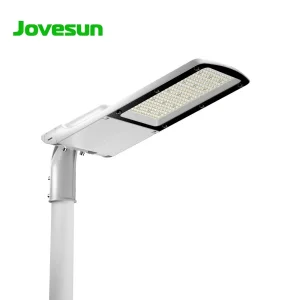
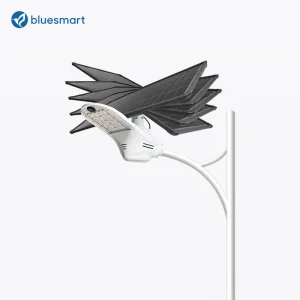
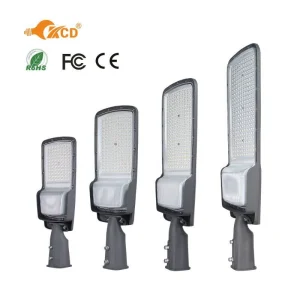
We supply engineering, procurement, and construction (EPC) contractors in Southern Africa with documentation and technical compliance certifications required for public tenders. Our support includes dialux lighting simulations, structural wind calculations (up to 45 m/s), and battery lifespan calculations.
Our solutions conform to the SABS (South African Bureau of Standards) standards, which are widely accepted by municipal and highway planning boards in Namibia, ensuring compliance during code compliance reviews.
With shipping routes from China to Southern Africa, Star Lighting coordinates direct logistics to the Port of Walvis Bay. We organize container packaging to protect structural poles and delicate solar arrays during transit, reducing damage risks.
We work with shipping companies to handle customs documentation, facilitating delivery to local distribution yards or remote installation sites along inland development routes.
Find answers to common questions about installing and maintaining solar and LED highway lighting systems in Namibia's climate.
Yes. For coastal projects, we use marine-grade aluminum housing with a high-durability powder coating. Our mounting hardware is made of stainless steel (SUS316) to prevent galvanic corrosion caused by high salt mist levels.
We use LiFePO4 battery packs with integrated thermal barriers. These batteries operate safely up to 60°C. In addition, our smart MPPT controllers adjust charging parameters based on ambient temperature to prevent overheating.
Our standard highway poles are engineered to withstand wind speeds up to 160 km/h (45 m/s). We can also provide custom engineering for coastal regions prone to severe seasonal windstorms.
Yes, our fixtures meet IEC 60598 requirements, which align with SABS standards and SANS 10098 specifications for public and highway lighting installations.
Production takes 15 to 25 days depending on the order size. Sea transit from Shanghai to Walvis Bay Port generally requires 30 to 40 days, including customs clearance and container handling.
 Star Lighting