Remote Control Street Lights Manufacturers & Suppliers in Nepal

Decentralized Solar & Smart Grid Infrastructure Solutions Engineered for High Altitude, Terai, and Urban Environments.

Macro Market Assessment

Decentralizing Nepal's Infrastructure: The Shift to Smart Remote-Controlled Public Lighting

Nepal's unique geographic stratification—ranging from the high-altitude, logistically isolated Himalayan corridors to the rapidly urbanizing valleys of Kathmandu, Lalitpur, and Pokhara, down to the high-humidity plains of the Terai region—presents stark engineering challenges for public utilities. Historically reliant on localized AC grids with frequent voltage fluctuations or isolated off-grid modules, municipalities are now mandating smart remote-controlled street lighting systems.

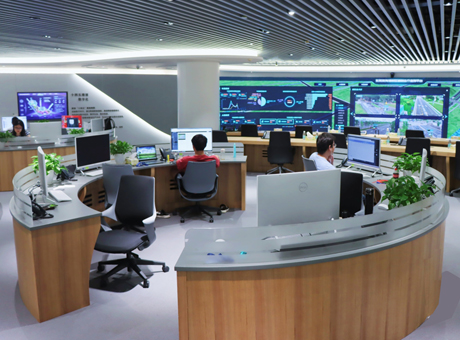
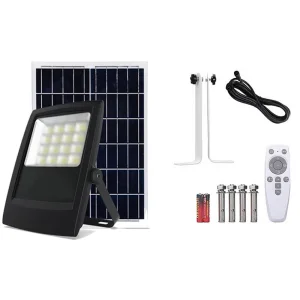
These systems incorporate Internet of Things (IoT) nodes (operating via LoRaWAN, NB-IoT, or cellular protocols) and remote controllers to resolve the critical issue of operational maintenance. In remote sectors of Gandaki or Karnali provinces, performing standard manual checks is logistically prohibitive. By utilizing central management software (CMS) coupled with handheld remote diagnostic tools, local governments can monitor charging statuses, adjust dimming profiles, and receive instant alert logs for driver or battery failures, reducing operational maintenance costs by up to 60%.

  • Resilience to Grid Instability: Operates independently on solar energy storage, neutralizing the threats of local blackouts or voltage sags.
  • Intelligent Thermal Profiling: Adaptive drivers reduce output during peak temperatures in Terai (exceeding 40°C) or freezing conditions in high-altitude zones.
  • Environmental Durability: Double-sealed chambers maintaining IP65 to IP66 ratings protect sensitive controllers from dust storms and heavy monsoon downpours.
50%
Maintenance Cut
Using remote diagnostic controllers instead of physical inspection tours.
IP66
Monsoon Ready
Highest waterproofing grading to prevent moisture ingress.
LiFePO4
Stable Cells
Lithium iron phosphate batteries boasting a lifecycle exceeding 2500 rounds.
MPPT
+30% Boost
Tracking algorithm optimized for sub-optimal mountain sunlight conditions.
R&D and Specifications

Technical Roadmap: Smart Control Systems in Outdoor Lighting

Exploring the technological progression of street lighting from basic timers to decentralized IoT cloud architectures.

Phase 1: Localized Analog Control (Classic IR Remotes)
PIR Motion & Local Handheld Diagnostics
Utilizing infrared handheld controllers to adjust lighting modes (sensor vs. constant brightness) and timing configurations locally. Reduced the requirement for pole-climbing maintenance.
Phase 2: Mesh Network & RF (Radio Frequency) Controllers
Group-Based Central Control Nodes
Luminaires interconnected via ZigBee or RF sub-GHz links to a local controller cabinet, providing scheduled dimming patterns and immediate status telemetry to field operators.
Phase 3: IoT Cellular Integration (NB-IoT & LoRaWAN)
Global Cloud Telemetry & OTA Updates
Each light features an integrated micro-gateway that syncs directly with municipal dashboards. Cloud operators can deploy over-the-air firmware updates and adjust dimming profiles dynamically.
Phase 4: AI & Smart Grid Synergies (Future Edge Computing)
Predictive Maintenance & Environmental Analytics
Edge-AI embedded within remote control hubs predicts component failures using historical charging profiles and thermal signatures, notifying distributors of scheduled repairs before hardware failure occurs.
Application Environments

Macro-Industry Infrastructure Solutions for Nepal

Tailoring remote solar and intelligent grid lighting to match specific Nepalese geographic, structural, and political divisions.

Urban Valleys & Bypass Lanes

Designed to integrate with municipal smart grid programs, implementing automated nighttime dimming profiles (e.g., 100% capacity from dusk to midnight, transitioning to 30% or radar-induction mode post-midnight to maximize battery life).

View Specification Blueprint →

High-Altitude Himalayan Trails

Equipped with high-performance MPPT controllers and heavy-duty monocrystalline solar panels to capture diffused light in low-temperature, snow-prone regions. The remote controllers provide diagnostic tracking without physical on-site intervention.

View High-Altitude Case Studies →

High-Humidity Terai Plains

Protected by specialized anti-corrosion, IP66-certified housings and moisture-resistant battery enclosures. Thermal regulation modules prevent LiFePO4 battery overheating during prolonged summer heatwaves.

View Tropical Protection Reports →

NEA Grid Integration

Luminaires compatible with hybrid configurations. The smart controllers detect battery depleting thresholds and seamlessly switch to Nepal Electricity Authority grid power, guaranteeing continuous road illumination.

View Grid Integration Schemes →
Manufacturing Capabilities

China Factory 4.0: Supply Chain Resilience & Advanced Engineering

As a leading manufacturer of urban and street lighting solutions, Jiangsu Star Lighting Technology Co., Ltd. is a comprehensive urban lighting service provider integrating design, engineering implementation, production, manufacturing, R&D, and after-sales maintenance operations.

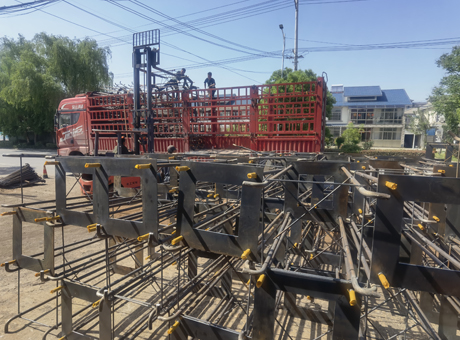
Our industrial facility features a 1200-ton automatic CNC hydraulic 16-meter forming bending machine, a fully automatic CNC parallel welding pipe machine, two automatic spray molding assembly lines, and high-precision submerged arc welding stations. These manufacturing systems enable the production of robust poles, brackets, and casings that conform to rigorous international structural codes.

Our product line spans across solar street lights, smart LED street lights, intelligent control systems, pole-integrated screens, high mast fixtures, wind-solar hybrid configurations, and related road safety infrastructure. Harnessing 3D structural mapping and CAD modeling, we ensure structural integrity, wind-load compliance, and optimal efficiency across every customized production batch.

Consult Our Engineering Team

Industrial Plant Parameters

CNC Bending Machine 1200 Ton (16 Meter)
Production Lines Fully Automated Spray Molding
Design Platforms CAD & 3D Photometric Simulation
QA/QC Standard CE / RoHS / ISO 9001 / IP66
Distribution Capability Global Export (inc. Nepal via Kolkata)
Global Deployments

Application Fields & Installation References

Proven installations demonstrating robust mechanical design and high reliability under various environmental conditions.
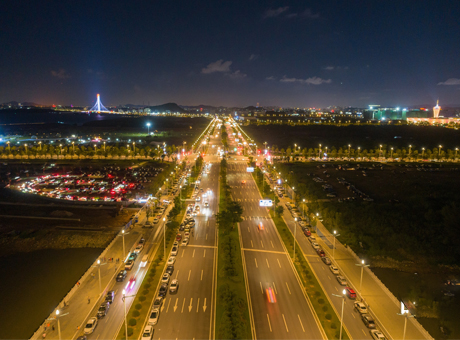
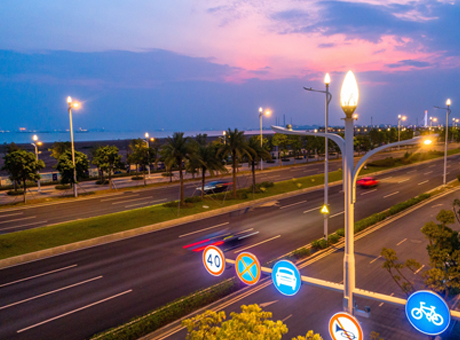
Kathmandu Expressway Road Lighting Project

Urban Arterial Projects

High-Lumen Output & Adaptive Dimming

Pokhara Smart City Remote Lighting Development

Municipal Upgrades

Smart Management Software Integration

Terai Regional Highway Lighting Installations

Highway Infrastructures

Corrosion-Resistant Support Brackets

Himalayan Border Path Solar Illumination

Off-Grid Remote Trails

LiFePO4 Low-Temp Thermal Control

Comprehensive Catalog

Explore Our Full Range of Remote-Controlled Luminaires

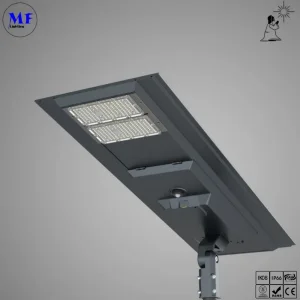
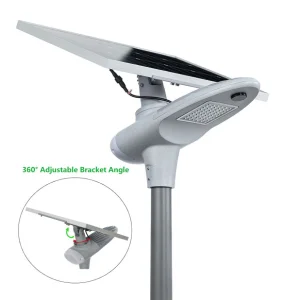
From micro-integrated landscape fixtures to heavy-duty industrial highway solar lights. Select a model to review technical documentation.
Global Logistics & Support

Global Sourcing: Supply Chain Management & Delivery Logistics

How we facilitate seamless procurement, shipping, customs clearance, and local compliance procedures for Nepalese engineering contractors.

Customization & Technical Support (OEM/ODM)

Every project site requires specific adaptations. We provide mechanical modifications (including localized wind-load calculations for Himalayan ridge setups), specialized pole heights (ranging from 4m up to 16m using our 1200-ton hydraulic bending systems), and variable battery capacities to ensure up to 5 days of solar autonomy during overcast monsoon seasons.

Transit and Custom Ports to Nepal

We routinely coordinate land-sea multimodal shipping. Shipments depart from Shanghai or Qingdao ports, transit through the Port of Kolkata, India, and enter Nepal via the Birgunj or Bhairahawa dry ports. We handle standard custom declarations, providing documentation compliant with AEPC (Alternative Energy Promotion Centre) and NEA regulations.

Pre-Shipment Quality Testing (QC)

  • IPX6 / IPX7 Chambers: Simulating high-pressure water spray and temporary immersion to ensure absolute water ingress protection.
  • Thermal Cycling: Testing electronic drivers and controllers in environmental chambers (-20°C to +70°C).
  • Spectroradiometric Integration: Verifying LED color consistency (CCT 3000K-6500K) and luminous efficacy (lumen-per-watt efficiency).
  • Vibration Structural Testing: Guaranteeing pole mounts can withstand seismic actions and continuous road vibrations.
Technical Consultation

Frequently Asked Questions (FAQ)

Direct answers to common engineering questions regarding the implementation of remote-controlled street lights in Nepal.

What type of remote control technology is best suited for rural districts in Nepal?
For highly isolated rural areas, integrated systems containing localized RF (Radio Frequency) or handheld infrared/microwave remote controllers are ideal. They allow regional operators to adjust settings without a network connection. For locations with reliable cellular infrastructure, IoT technologies like NB-IoT or LoRaWAN are recommended for central management.
How do these solar street lights withstand prolonged monsoon seasons?
Our street lights utilize high-efficiency MPPT (Maximum Power Point Tracking) controllers, which capture diffused sunlight during overcast days. Coupled with large-capacity LiFePO4 batteries, they provide up to 3 to 5 consecutive days of continuous operation (autonomy) without direct solar exposure.
Can the light poles withstand seismic activity and high wind loads in mountainous regions?
Yes, our light poles are engineered utilizing premium-grade Q235/Q345 structural steel, shaped by our 1200-ton hydraulic bending machine and welded using advanced automatic submerged arc systems. Designs are calculated to withstand wind velocities of up to 45 m/s, meeting the seismic load requirements for mountainous terrains.
What is the typical battery lifespan under extreme temperature fluctuations in Nepal?
We supply Grade-A Lithium Iron Phosphate (LiFePO4) batteries with built-in Battery Management Systems (BMS). Under standard operating conditions, these cells sustain over 2500 complete charge-discharge cycles while retaining 80% capacity. In high-temperature Terai regions or sub-zero mountain ranges, our thermal isolation wrapping ensures stable operating cycles.
Do these products comply with Nepal Electricity Authority (NEA) guidelines?
Yes, our municipal street lighting products conform to national standards. We supply full technical dossiers, CE certificates, RoHS test protocols, and IP reports to streamline certifications with the AEPC and regional municipal engineering boards.

Begin Your Municipal Street Light Project Today

Connect with our senior engineering team to request customized design files, DIALux simulations, wind-load calculations, and wholesale price quotes tailored for Nepal.

Submit RFQ & Specs