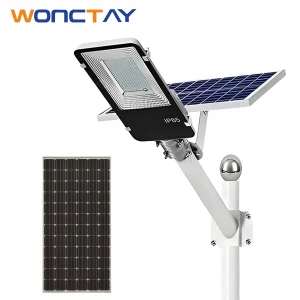
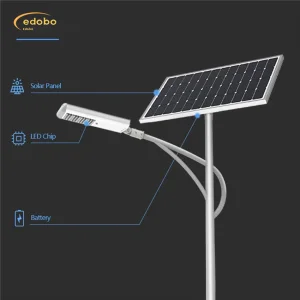
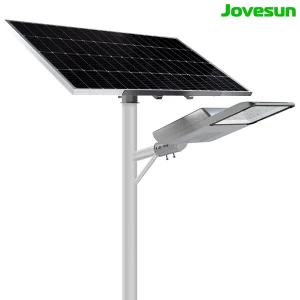
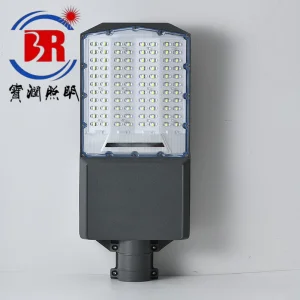
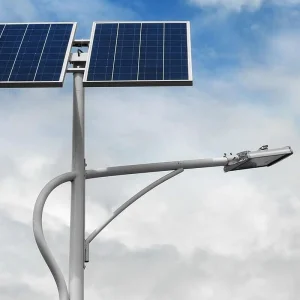
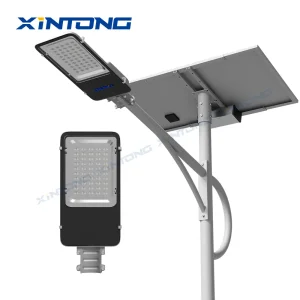
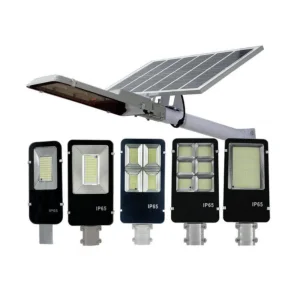
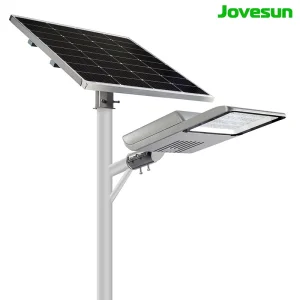
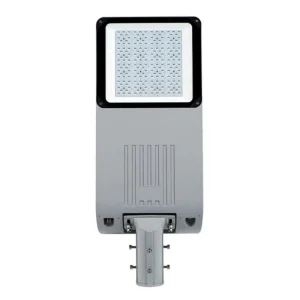
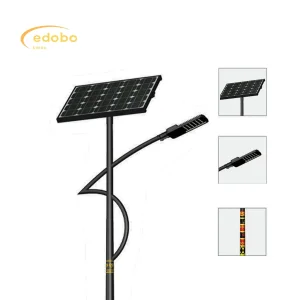
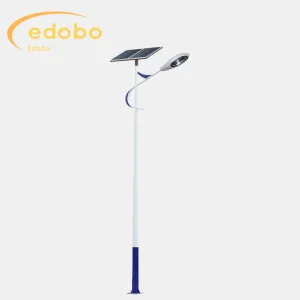
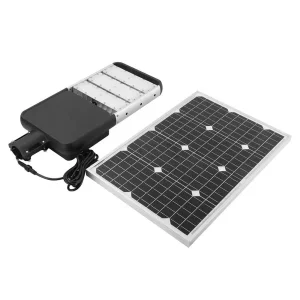
In the heart of the Philippines, Manila is undergoing a massive transformation. As one of the fastest-growing megacities in Southeast Asia, the demand for sustainable energy has never been higher. The Philippine government’s "Build Better More" initiative, coupled with the national push for renewable energy transition, has positioned Split Solar Street Lights as the gold standard for urban and rural electrification.
Metropolitan Manila, encompassing cities like Makati, Quezon City, and Taguig, faces unique challenges: high electricity costs, tropical storm vulnerability, and the need for 24/7 security lighting in dense urban corridors. Split solar street lights offer a distinct advantage over "all-in-one" systems in this environment. By separating the solar panel from the LED lamp and battery box, engineers can optimize the angle of the PV panel to capture maximum sunlight amidst Manila's high-rise shadows while ensuring the battery remains protected from the intense tropical heat.
As a leading factory and exporter specializing in the Manila market, we understand that "durability" is not just a buzzword—it is a requirement. Our products are engineered to withstand the humidity of Manila Bay and the wind speeds of the monsoon season.
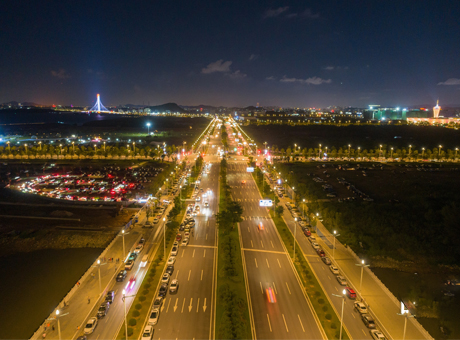
With 24-hour operations at the Manila South Harbor, our split solar lights provide reliable, grid-independent illumination that ensures safety for cargo handling and prevents accidents in high-traffic industrial zones.
In high-end business districts, aesthetics meet performance. Our split systems allow for sleek pole designs that complement modern architecture while providing bright, cool-white LED lighting for pedestrians.
Export processing zones require reliable security lighting. By deploying split solar street lights, factories reduce overhead costs and maintain operations even during frequent grid fluctuations or brownouts.
Corrosion resistance is key. Our aluminum die-cast housings are treated to resist salt-spray, making them perfect for the humid, saline environment of the Manila Bay coastline.
Homeowners associations in Quezon City and Parañaque are increasingly adopting solar to reduce monthly dues. Our remote-control enabled lights offer flexibility for community management.
Connecting Manila to nearby provinces via solar-lit highways ensures that commerce continues safely after dark, even in areas where the electric grid has yet to reach.
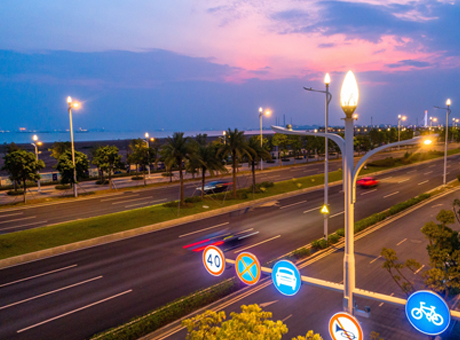
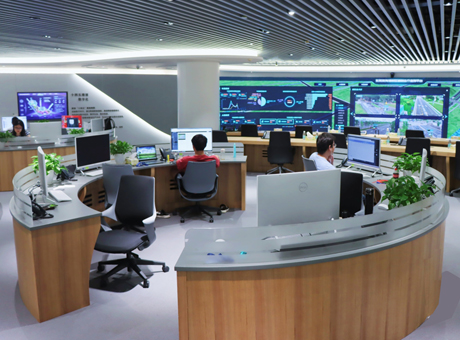
The future of public lighting in Manila is Intelligent and Integrated. We are seeing a massive shift toward "Smart Street Lights" that incorporate IoT (Internet of Things) capabilities. These systems allow Manila city planners to monitor battery health, adjust brightness based on foot traffic, and receive real-time alerts for maintenance—all from a central dashboard.
Another major trend is the adoption of LiFePO4 (Lithium Iron Phosphate) batteries. Unlike traditional lead-acid batteries, LiFePO4 offers a much longer lifespan (up to 10 years) and can withstand the higher ambient temperatures found in the Philippines without degrading. This reduces the total cost of ownership (TCO) for local government units (LGUs) across Metro Manila.
As exporters, we are also seeing a surge in demand for Bifacial Solar Panels. These panels capture sunlight from both sides, utilizing the reflection from Manila's light-colored concrete pavements to boost energy generation by up to 20% compared to standard monocrystalline panels.
Jiangsu Star Lighting Technology Co., Ltd. is an integrated urban lighting service provider that integrates product research and development, lighting design, production and manufacturing, engineering implementation, and service operation and maintenance.
Based on the principle of harmonious unity between lighting and the environment, as well as the organic combination of lighting and beautification, our company has developed and produced a series of road and square landscape products with various forms and great aesthetic and ornamental value. Our business scope includes the research and development of solar street lights, LED street lights, smart street lights, and intelligent control systems. For the Manila market, we have specifically optimized our export line to include high-power split systems ranging from 60W to 400W.
Our factory features state-of-the-art equipment, including a 1200 ton automatic CNC hydraulic 16 meter one-time forming bending machine and fully automatic spray molding assembly lines. This ensures that every light pole and fixture sent to the Philippines meets the highest structural standards, capable of withstanding typhoon-force winds.
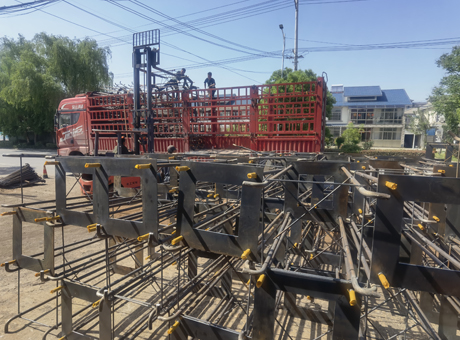
We apply CAD design and 3D production at the leading edge of the industry. Our equipment configuration is complete, the production process is advanced, and our testing equipment ensures that every IP66 rating is verified before shipping. We wholeheartedly provide high-quality and affordable products to our new and old customers in the Philippines. We warmly welcome partners from Manila, Quezon City, Davao, and Cebu to work hand in hand with us to create a brighter, greener tomorrow!
Choosing a Split Solar Street Lights Factory based in a major manufacturing hub like Jiangsu and exporting directly to Manila provides significant cost advantages. By bypassing multiple layers of local distributors, Manila-based developers and government agencies can access factory-direct pricing. This is crucial for large-scale infrastructure projects in the Philippines where budget optimization is mandatory.
Manila’s climate is characterized by high humidity, intense UV radiation, and heavy seasonal rainfall. A split system is superior here for several reasons:
Our commitment to the Manila solar market goes beyond just shipping products. We provide full lighting design simulations (DIALux) to help Manila city planners visualize the lux levels on their roads before installation. Our export team is well-versed in Philippine customs regulations and shipping logistics to Manila North Harbor, ensuring a seamless procurement process.
Furthermore, our products comply with the highest international standards (CE, RoHS, IP66), which are increasingly being adopted by Philippine regulatory bodies like the Department of Public Works and Highways (DPWH). Whether it is for a private subdivision in Taguig or a major highway in Central Luzon, our split solar street lights offer the perfect balance of technology, durability, and affordability.
 Star Lighting