These high-efficiency split-configuration solar fixtures are tailored to withstand coastal salinity, extreme equatorial humidity, and intermittent heavy cloud cover, delivering maximum uptime and light output.
Equatorial Guinea, comprising the Rio Muni mainland and Bioko and Annobón volcanic islands, presents a unique geopolitical and geographical context for modern lighting infrastructure. As the country pushes forward with its Horizonte 2035 National Economic and Social Development Plan, municipal developers, ministry engineers, and private industrial consortiums are rapidly pivoting away from traditional diesel-dependent grid systems toward localized, off-grid renewable energy.
In cities like Malabo and Bata, expansion projects require reliable, grid-independent roadway illumination to minimize high maintenance costs and eliminate vulnerability to rolling power drops. The geographical positioning of Equatorial Guinea—lying just north of the equator (around 1° to 3° N latitude)—means it receives intense, near-vertical solar radiation. However, the region is also characterized by a wet tropical climate, bringing dense atmospheric vapor, prolonged cloud cover, and heavy annual precipitation exceeding 2,000 mm. This makes standard integrated (All-in-One) solar systems highly inefficient due to fixed solar panel tilting, which prevents optimal solar absorption during cloudy periods and accelerates dust/organic residue accumulation.
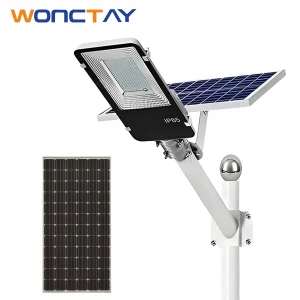
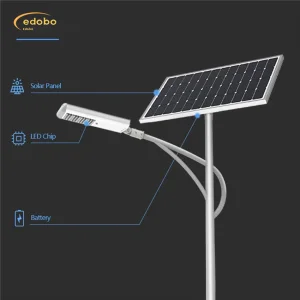
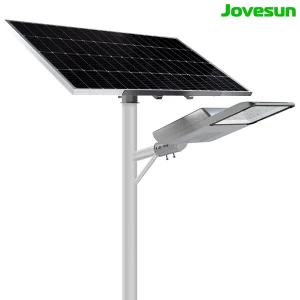
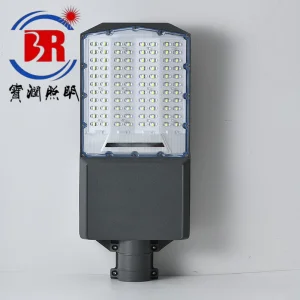
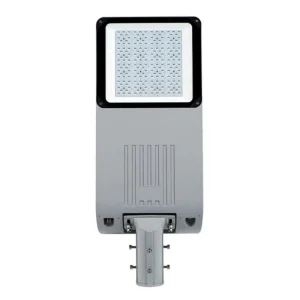
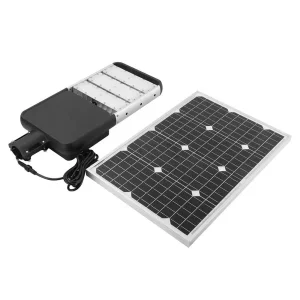
Our Split Solar Street Lights are explicitly engineered for these equatorial demands. By separating the solar panel, the LED light source, and the battery pack, our systems allow installation teams to adjust the tilt angle of the photovoltaic (PV) panel independently of the light fixture's direction. This capability is crucial in Equatorial Guinea to maintain a self-cleaning tilt (typically between 5° to 10° to utilize tropical rainfall for debris shedding) while positioning the LED luminaire to project uniform, low-glare Type II or Type III light distribution directly onto the roadway.
Deploying outdoor solar technology in the Gulf of Guinea region presents severe operational challenges. Jiangsu Star Lighting Technology Co., Ltd. resolves these challenges through rigorous materials science and localized structural configurations:
With cities like Bata and Malabo bordering the Atlantic Ocean, the coastal air contains high concentrations of chloride. Our street light poles are forged from Q235B high-grade steel, processed using our 1200-ton CNC hydraulic 16-meter forming bending machine. The structural frame undergoes hot-dip galvanization (minimum coating thickness of 85 μm) and is sealed with an electrostatic polyester powder coating, protecting it from saline corrosion and preventing paint peeling for over 15 years.
In traditional integrated solar designs, the battery pack is housed directly beneath the solar panel. Under the intense equatorial sun, panel temperatures can exceed 70°C, causing rapid thermal degradation in lithium-ion cells. Our split architecture houses the lithium iron phosphate (LiFePO4) battery pack in a decoupled, ventilated metal battery box. This box can be buried underground or mounted below the shaded support bracket, ensuring operating temperatures remain below 35°C, preserving battery lifespan to over 3,000 charge-discharge cycles.
During the rainy season in Equatorial Guinea, heavy downpours test the physical integrity of outdoor electronics. Our split light fixtures carry certified IP66/IP68 waterproof ratings, using multi-channel silicone rubber seals and waterproof military-grade breathing valves. In addition, our monocrystalline solar panels are framed with anodized aluminum alloys, angled precisely to ensure rain acts as a natural cleaner, washing away dust and dry-season harmattan silt.
| Performance Metrics | Star Lighting Split Solar Street Lights | Standard Integrated (All-in-One) Solar Lights |
|---|---|---|
| Solar Panel Tilt Flexibility | Fully adjustable (360° horizontal, 60° vertical adjustment) to maximize absorption. | Fixed angle; heavily limits efficiency at equatorial latitudes. |
| Battery Heat Exposure | Decoupled/Buried (shielded from direct heat, extending battery life). | Located inside PV casing (subject to extreme solar heat up to 70°C+). |
| Luminous Output (System Efficacy) | Up to 200 lm/W utilizing Bridgelux/Philips LED chips. | Typically limited to 120-140 lm/W due to space/thermal constraints. |
| Maintenance Profile | Modular components can be individual replaced without discarding the pole. | Requires replacement of entire integrated module in case of localized failures. |
| Wind Load Durability | AASHTO standard compliant, certified for winds up to 45m/s. | High surface area-to-weight ratio; susceptible to bracket fatigue. |
Engineered with die-cast aluminum housings and high-capacity lithium iron phosphate (LiFePO4) storage, these split-system options are designed to perform reliably under the continuous humidity and rainfall of the Gulf of Guinea.
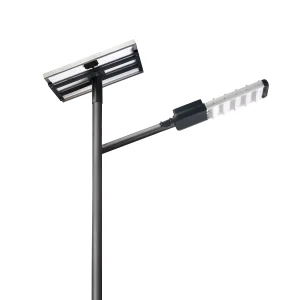
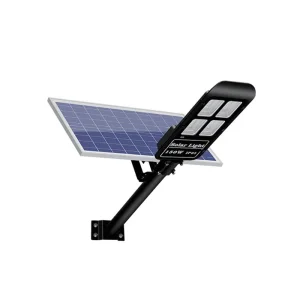
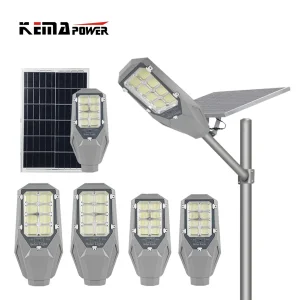
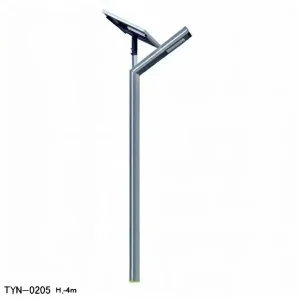
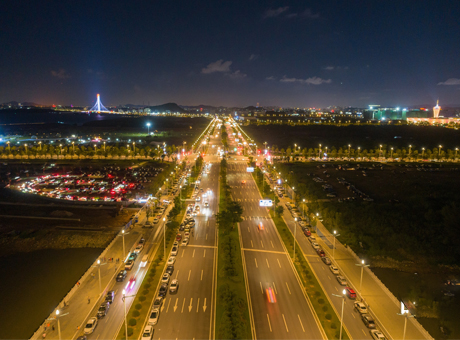
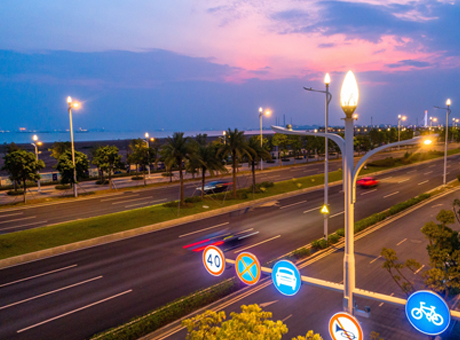
Our street lights are engineered to integrate cleanly into municipal, commercial, and industrial sites across Equatorial Guinea. From the high-salinity air of coastal ports to the modern, master-planned boulevards of Oyala, Star Lighting products deliver reliable illumination to support national growth.
As a premier urban lighting service provider, Jiangsu Star Lighting Technology Co., Ltd. integrates product research and development, custom lighting design, and high-precision manufacturing. Our 25,000-square-meter facility is equipped with advanced machinery to produce components that meet international engineering standards.
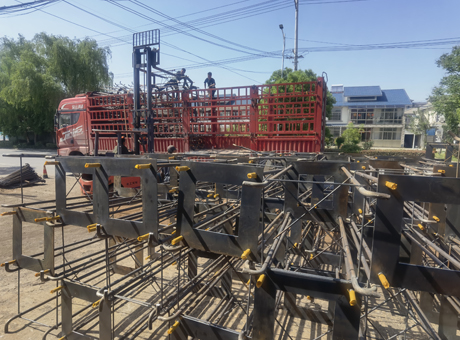
Our manufacturing capacity centers on our 1200-ton automatic CNC hydraulic 16-meter forming bending machine, which shapes single-sheet steel plates into unified, tapered poles up to 16 meters tall. This process eliminates transverse welded joints, creating poles with high structural integrity that can withstand equatorial wind loads of up to 45m/s (162km/h). Additionally, our operations utilize a fully automatic CNC parallel welding pipe machine, an automatic submerged arc welding system, two automatic electrostatic spray-molding assembly lines, and high-accuracy CAD/3D modeling programs.
We manage every step of the supply chain—from raw silicon processing and LED driver design to hot-dip galvanization and structural wind-tunnel testing. This end-to-end control allows us to provide municipal clients in Equatorial Guinea with custom solutions that match local engineering requirements and project budgets.
Find answers to common questions about installing and maintaining solar street lighting systems in equatorial climates.
Explore our full selection of split solar street lights, engineered for municipal roads, commercial pathways, and industrial complexes across Equatorial Guinea.
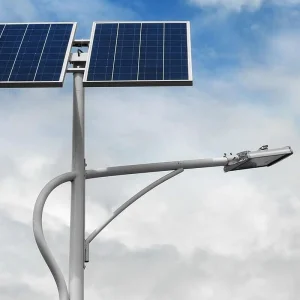
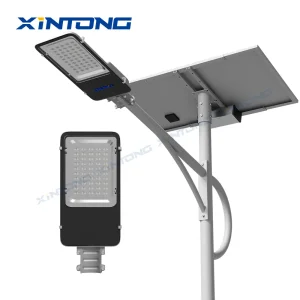
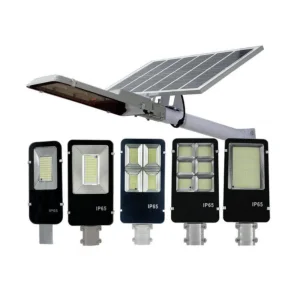
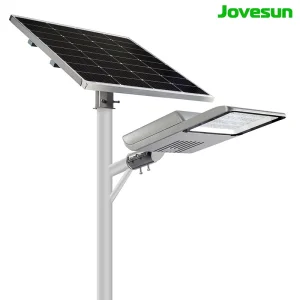
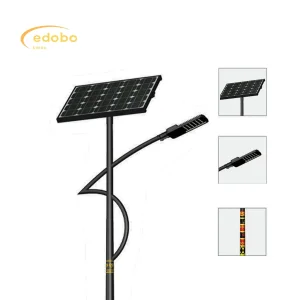

Jiangsu Star Lighting Technology Co., Ltd. provides customized design services to match the specific requirements of each project. We offer light poles in single-arm, double-arm, and multi-arm configurations, ranging from 4 meters to 12 meters in height, with wall thicknesses selected to meet local wind load calculations.
We utilize Dialux simulations to calculate correct pole spacing, mounting heights, and beam angles, ensuring roadways meet international illuminance standards (EN 13201 / IESNA RP-8-18). This helps minimize dark spots and reduce overall project energy demand.
All solar components comply with global certifications, including CE, RoHS, ISO9001, and SGS. We provide design drawings and installation instructions for projects in Equatorial Guinea, ensuring smooth execution from port delivery to final commissioning.
Contact our technical team to request a customized Dialux simulation, detailed component pricing, or factory inspection certificates.
Send Inquiry Now Star Lighting