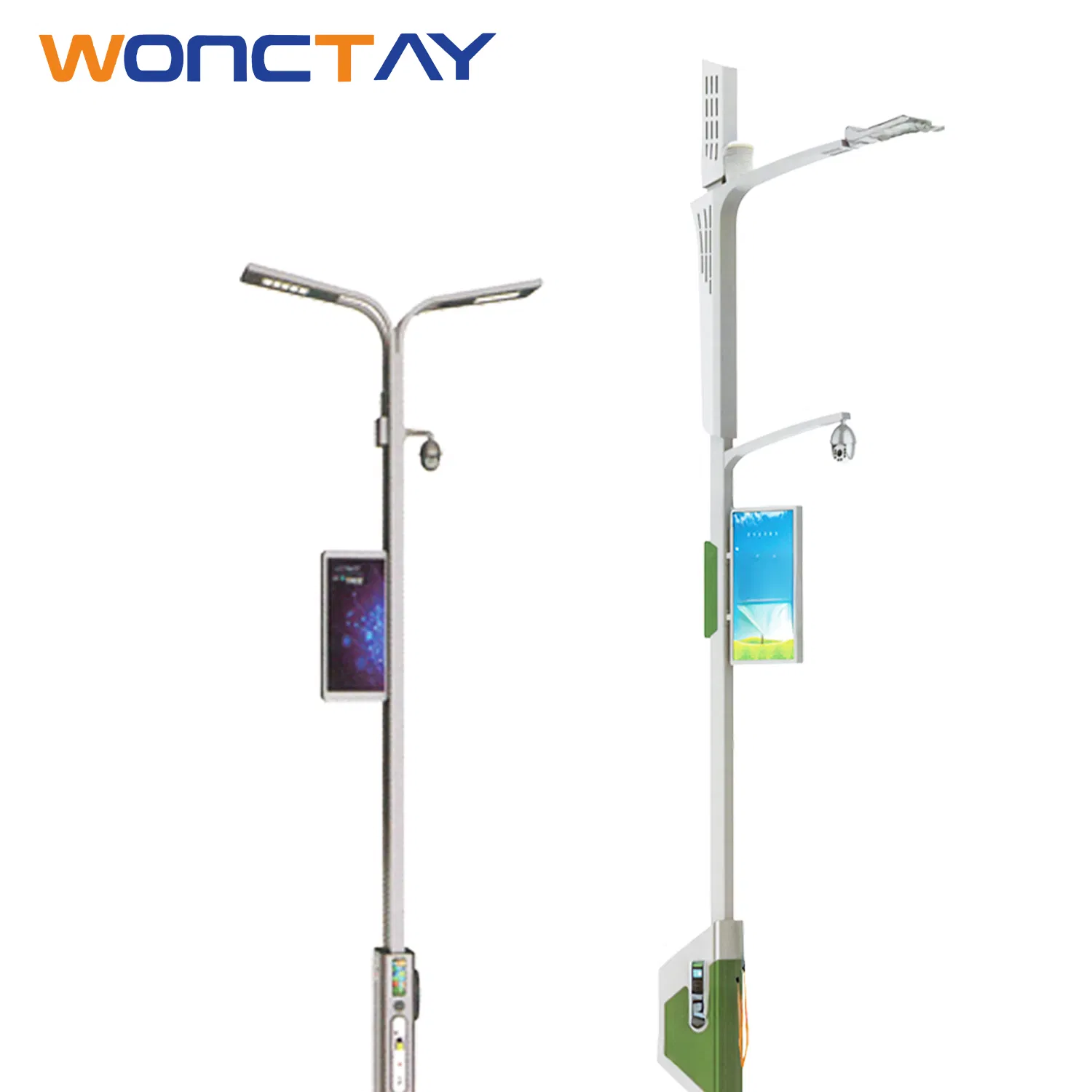
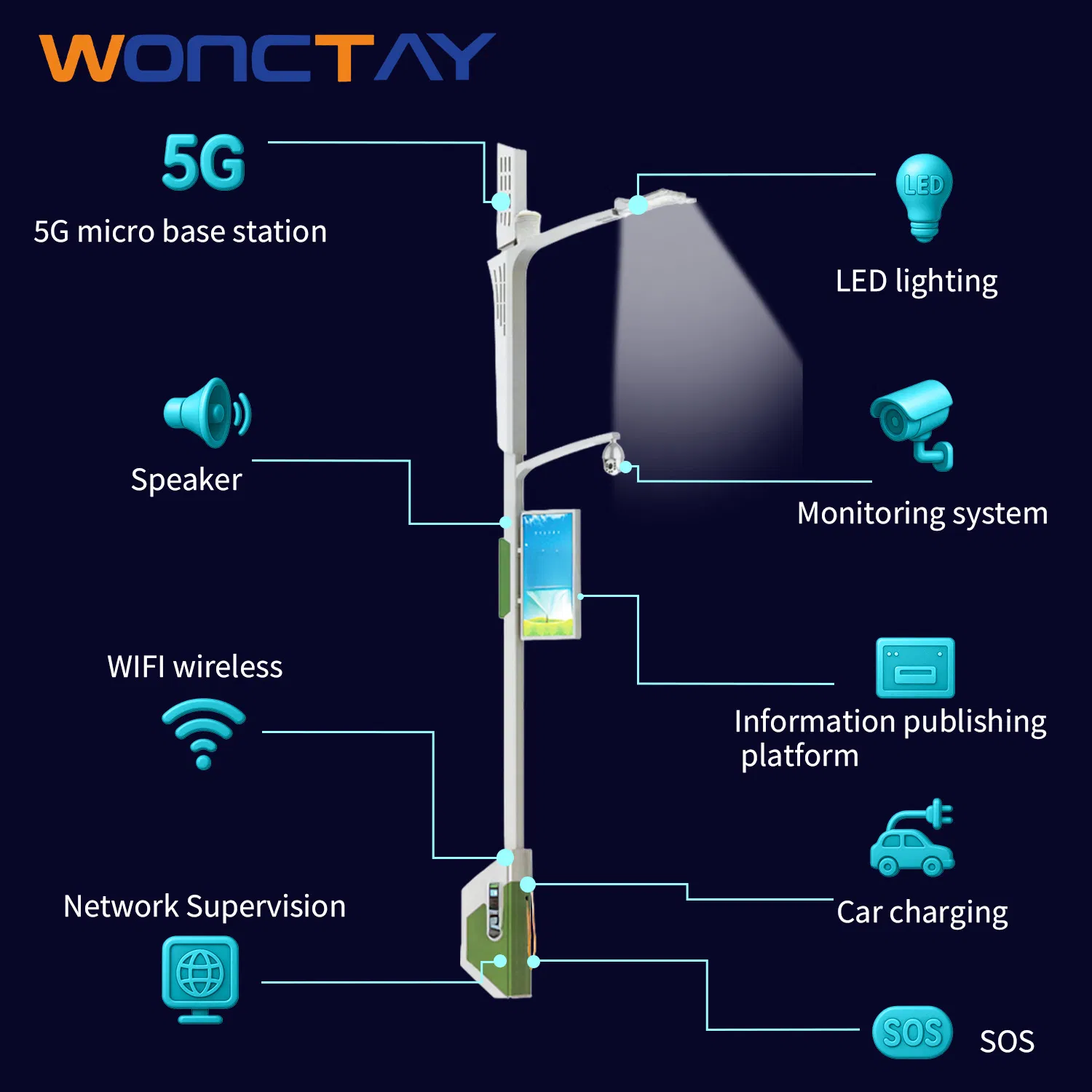
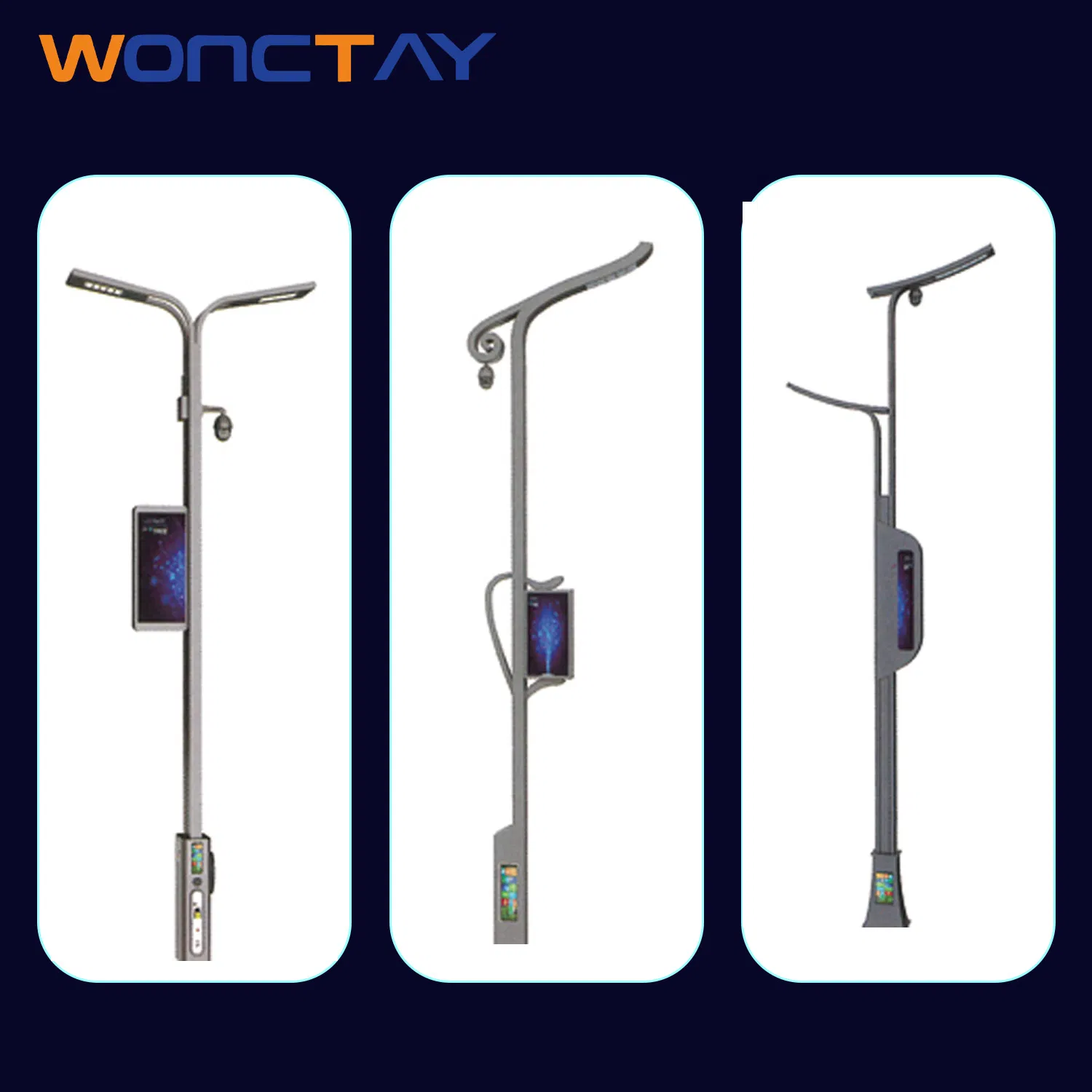
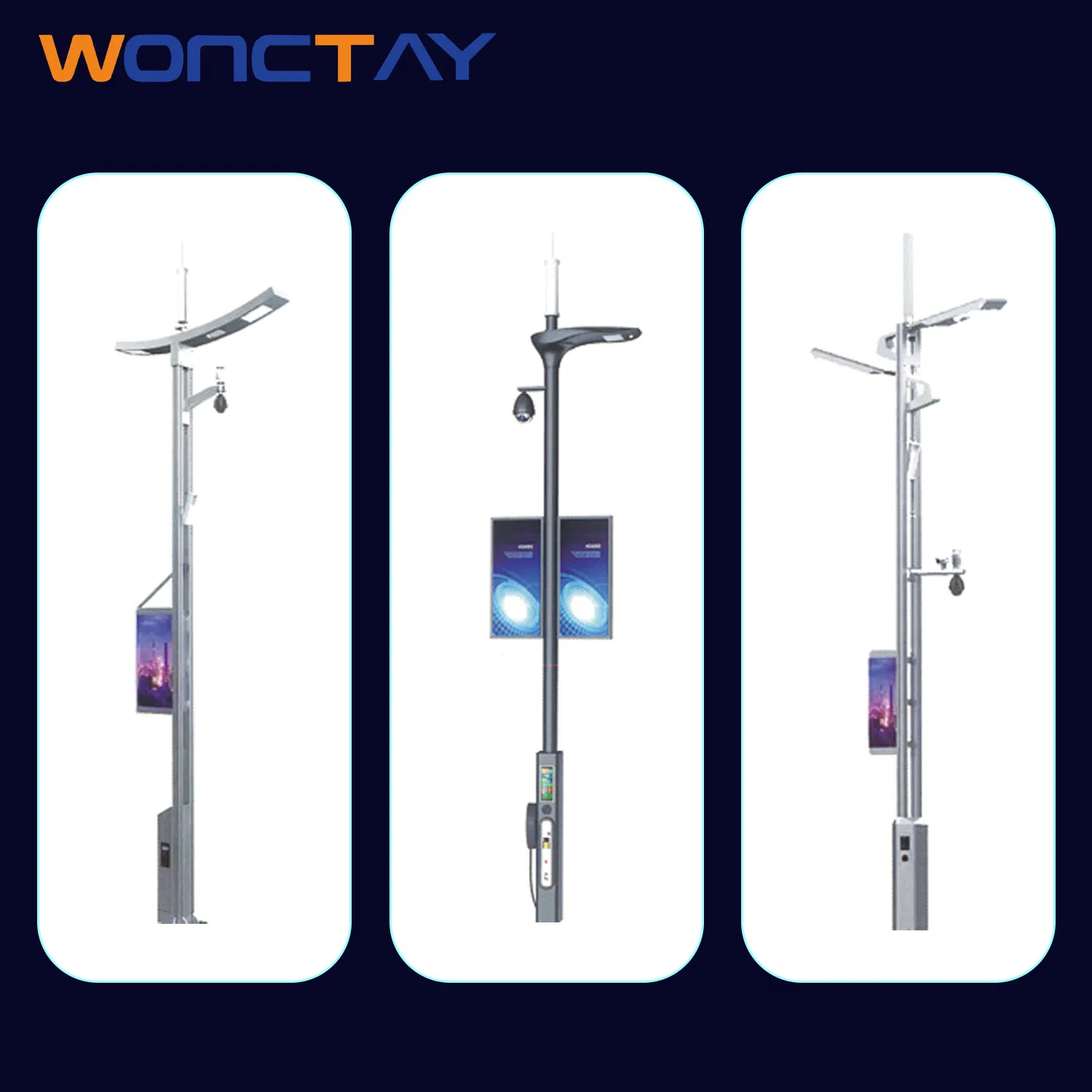
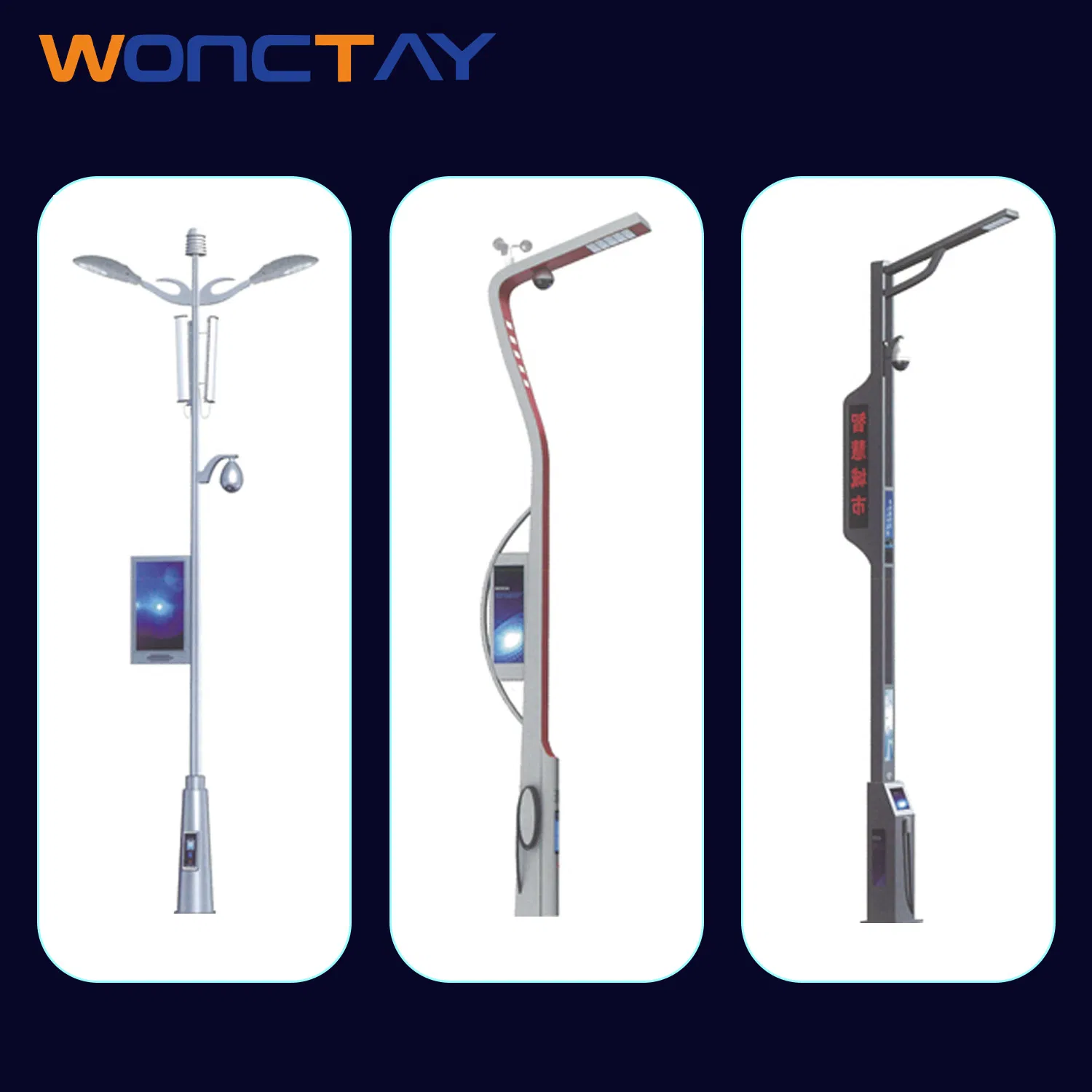
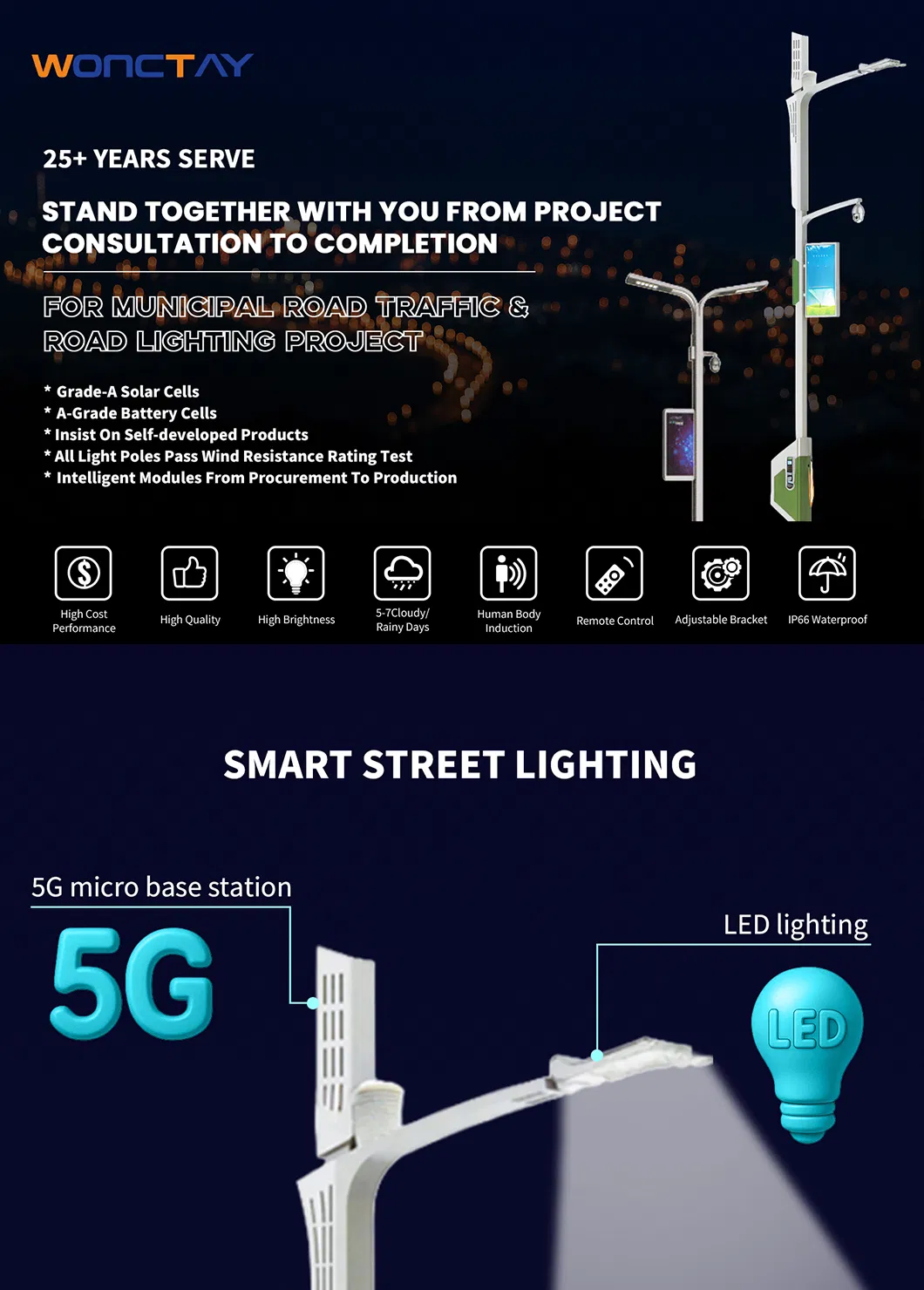
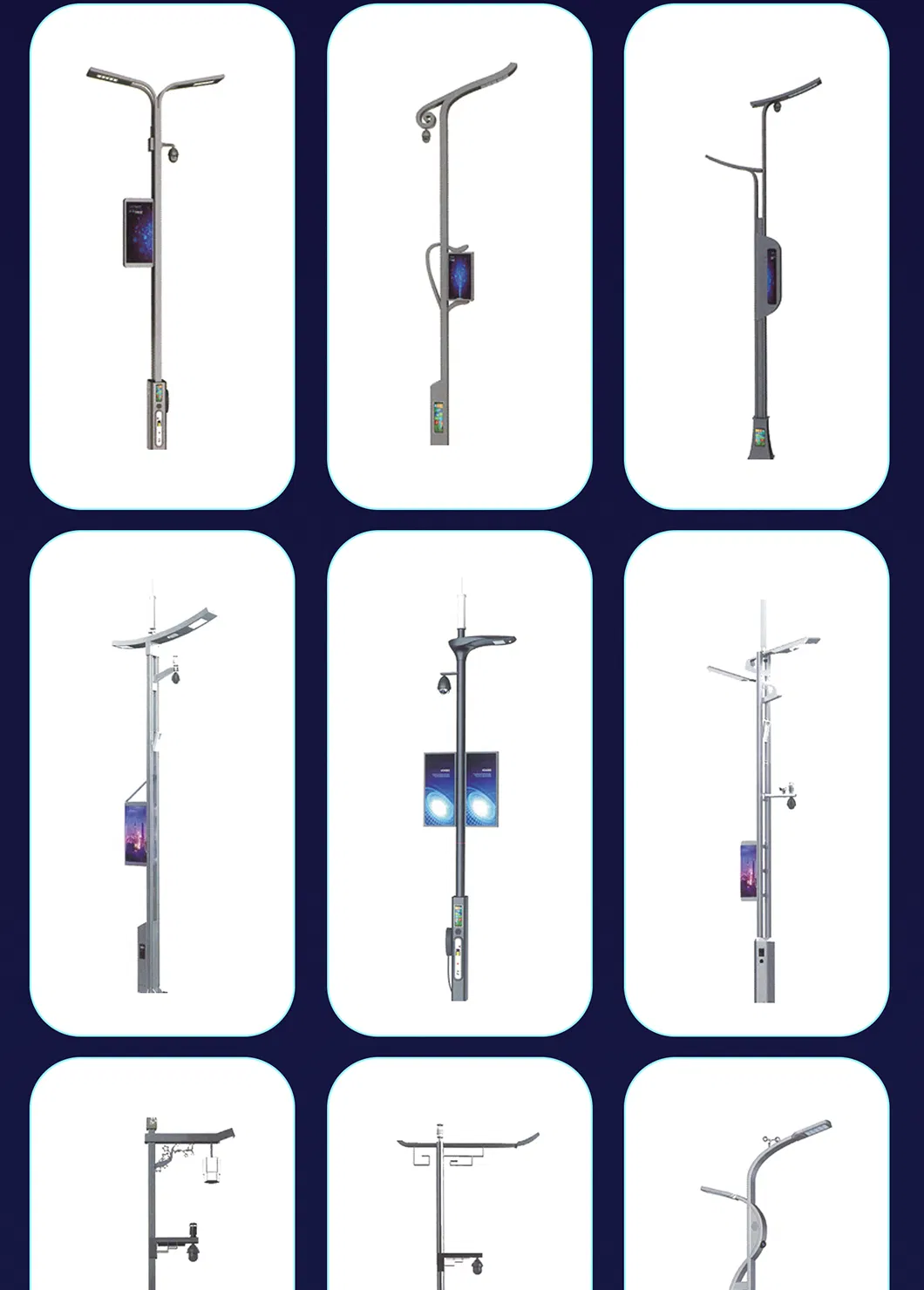
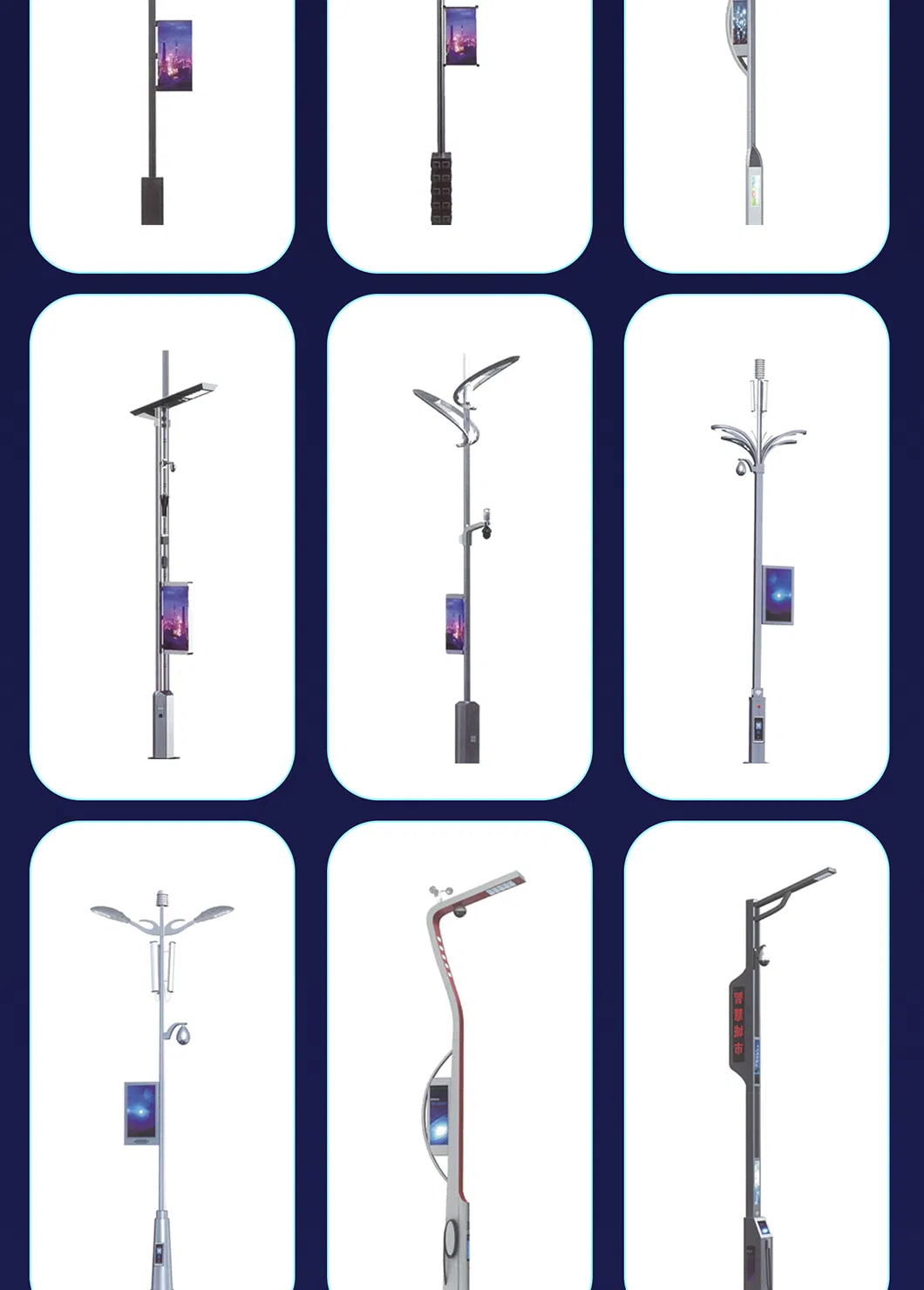
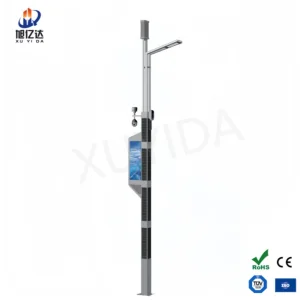
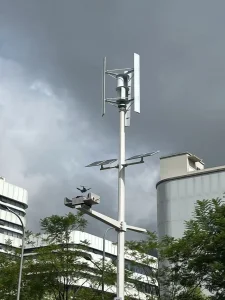
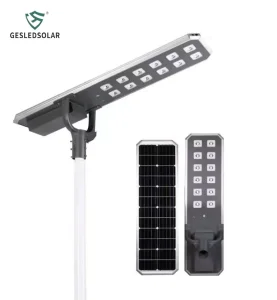
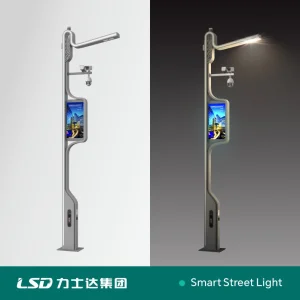
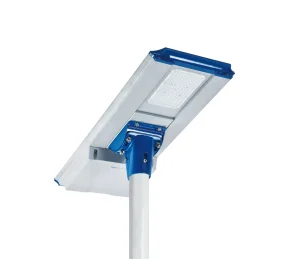
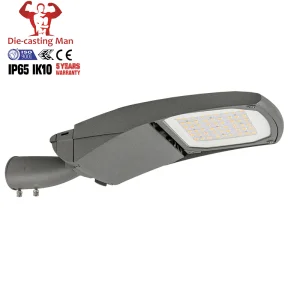
Smart street lights are new urban infrastructure based on technologies such as the Internet of Things, big data, and artificial intelligence. They are an intelligent upgraded version of traditional street lights. By integrating a variety of sensors, communication modules, and intelligent control systems, they not only provide basic lighting functions, but also have multiple capabilities such as environmental monitoring, information interaction, security monitoring, and energy management, becoming an important part of smart city construction.
Core Components:
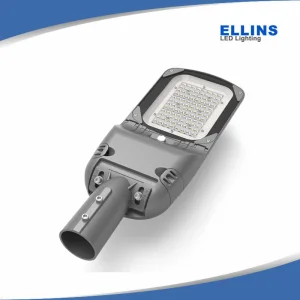
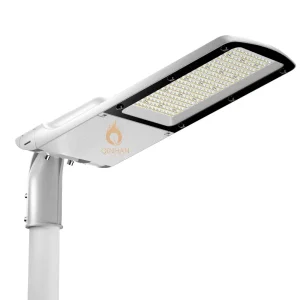
- • Smart lighting system: uses LED light sources and supports automatic brightness adjustment.
- • Environmental sensors: monitor air quality, temperature and humidity, noise, PM2.5 and other data.
- • Network communication module: supports 5G, Wi-Fi, LoRa, NB-IoT, etc.
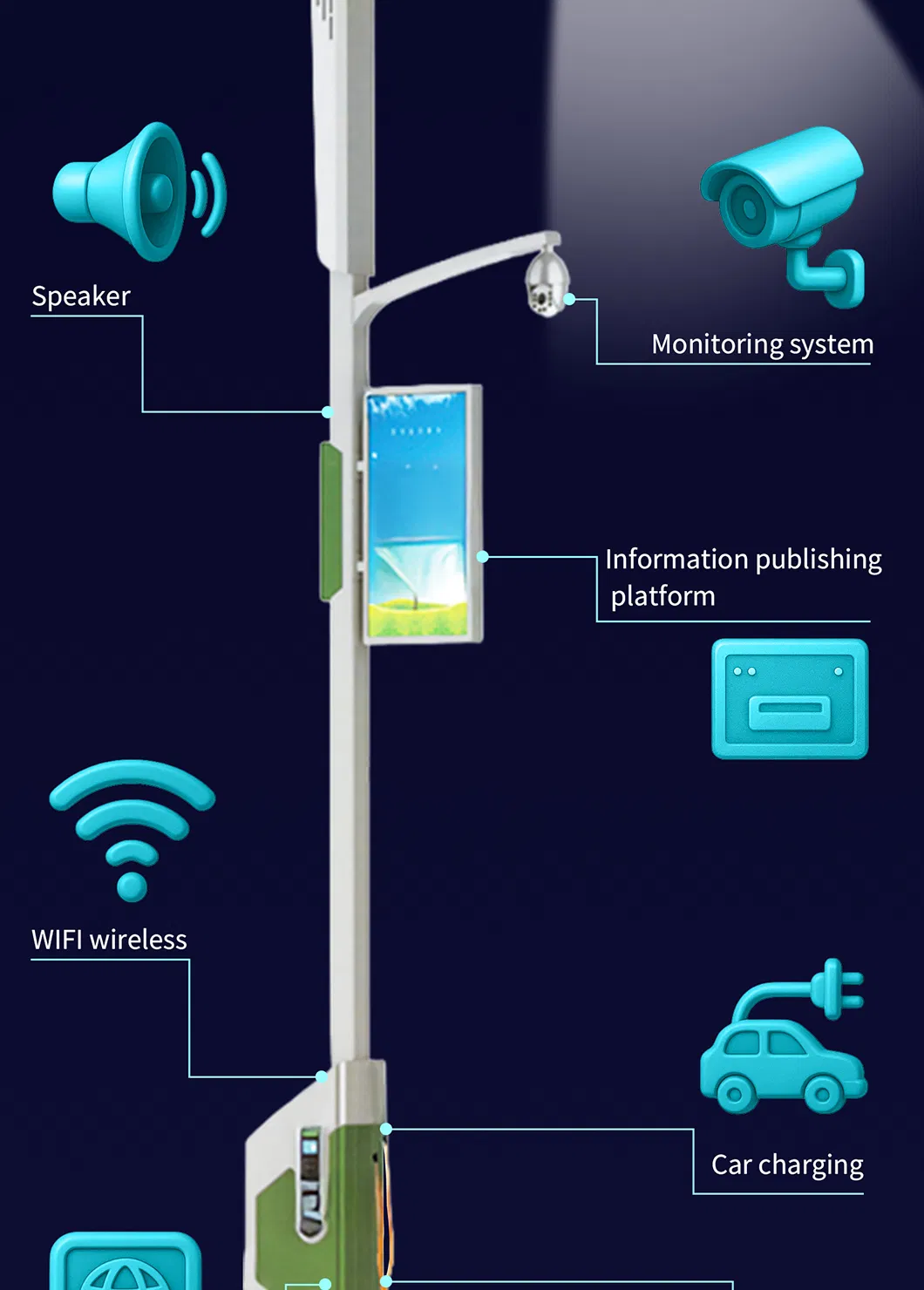
- • Smart terminal: integrates cameras, electronic screens, emergency call buttons, and charging piles.
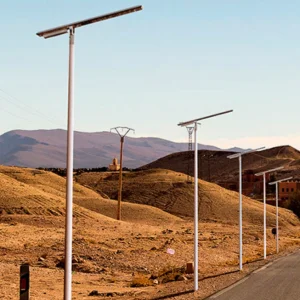
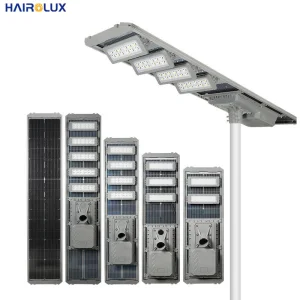
- • Energy management system: equipped with solar panels and energy storage batteries for self-sufficiency.
Six Core Advantages of Smart Street Lights
★
1. High efficiency and energy saving, reducing operating costs
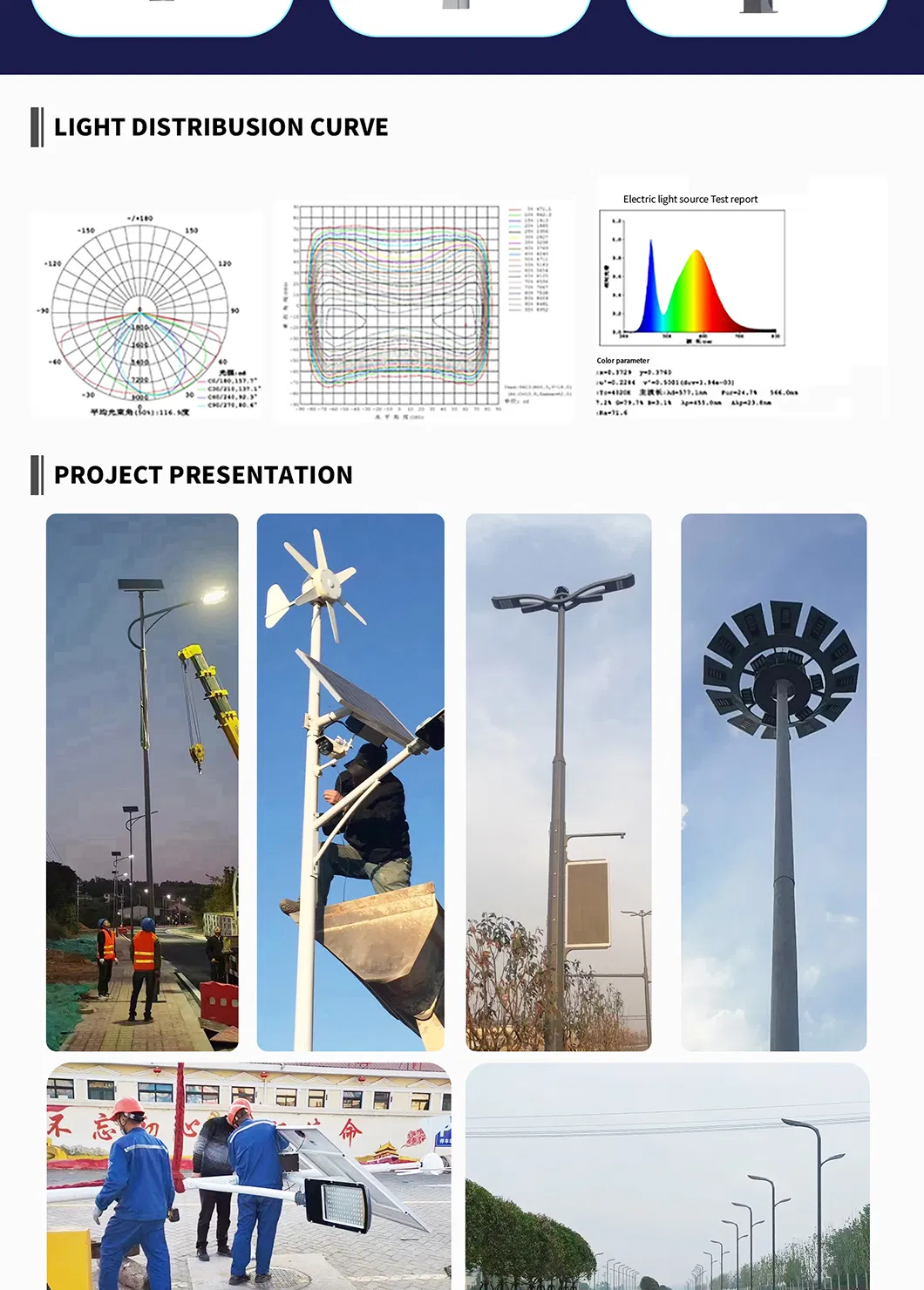
Adaptive dimming: Saves 30%-70% of electricity via light sensors and AI algorithms. Green energy integration reduces grid dependence. Remote operation enables real-time monitoring and fault positioning.
★
2. Multi-functional integration, freeing up urban space
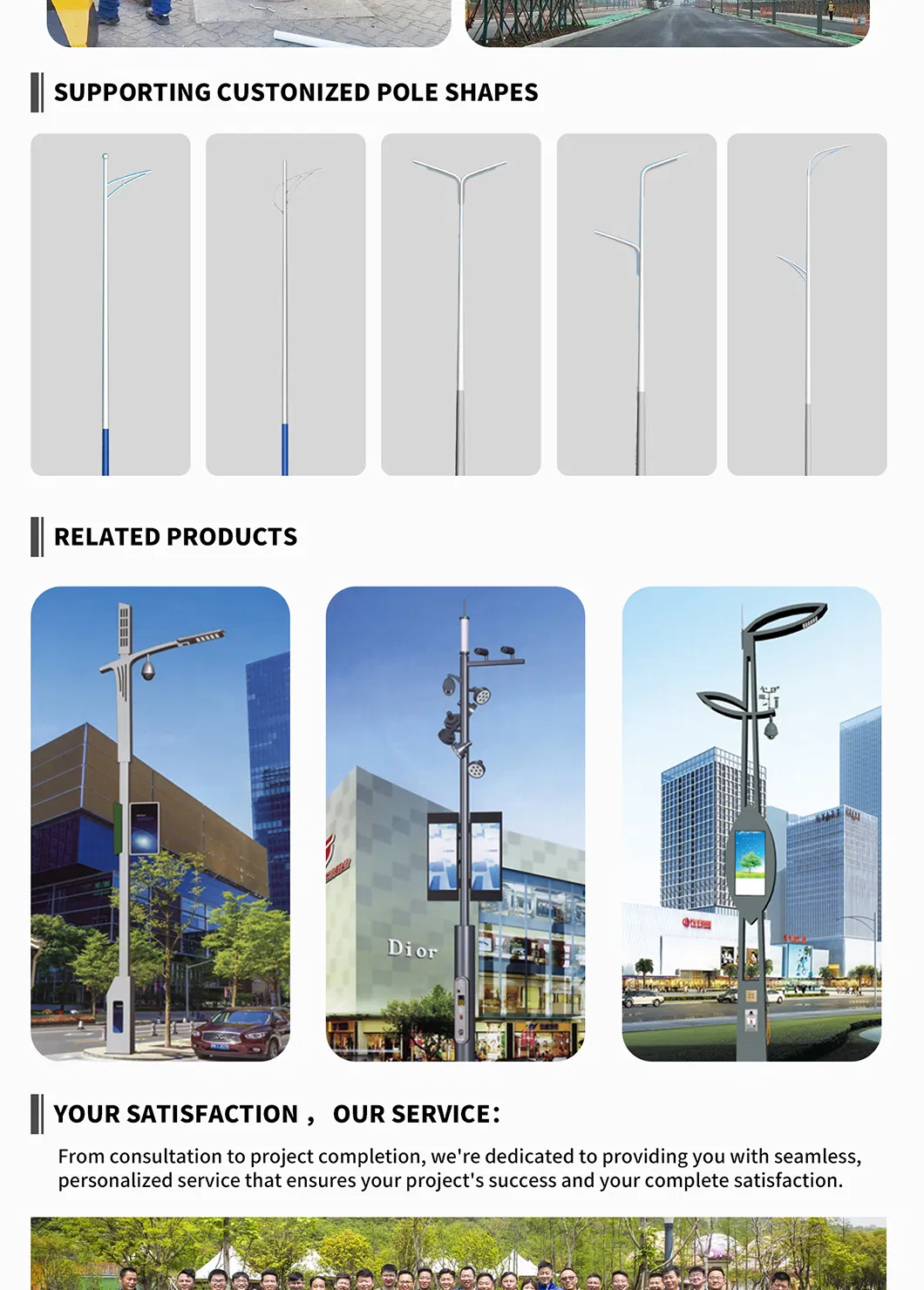
One pole for multiple uses: integrating lighting, traffic monitoring, 5G micro base stations, and information screens. Modular design supports expansion like EV charging.
★
3. Data-driven urban governance
Real-time environmental tracking and traffic flow analysis using video AI to optimize urban efficiency and emergency response.
★
4. Improve public safety and convenient services
Intelligent security with AI cameras and convenient interaction providing Wi-Fi hotspots, one-click alarms, and USB charging.
★
5. Promote the construction of smart city ecology
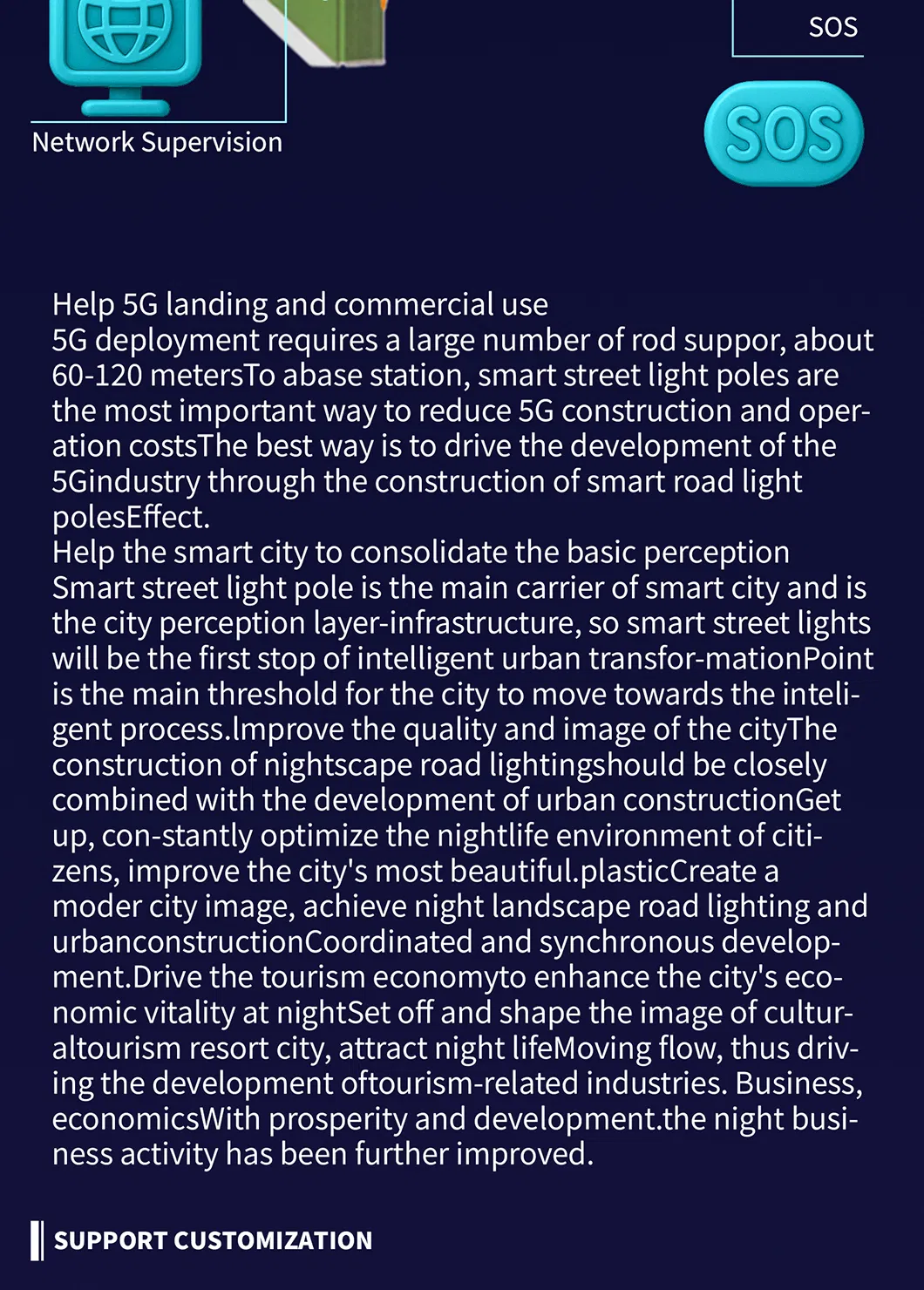
Serves as a 5G micro base station carrier and provides real-time road data for autonomous driving vehicles through vehicle-road collaboration.
★
6. Long-term environmental protection and sustainability
LED lifespan reaches 50,000 hours. Directional lighting reduces light pollution, while the energy management system visualizes the carbon footprint.
Application Scenario Examples
Smart Parks: Automated lighting for safety and integrated charging piles for new energy vehicles.
Historical Blocks: Specialized color temperature adjustment for cultural preservation and flow-limit warnings.
Disaster-prone Areas: Wind speed and water accumulation sensors trigger evacuation instructions and flood warnings.
 Star Lighting